News
Woman tries to smuggle 5.6kg of cocaine in secret pocket of bag



Dubai Customs’ inspection staff at Dubai International Airport seized 5.6 kilograms of cocaine narcotics being carried by an inbound female traveller arriving from a Latin American country.
At the terminal’s checkpoint, the customs officers with their high security vigilance grow suspicious of the passenger.
They flagged her luggage for a routine X-ray scanning which spotted an abnormal density at the bottom of the woman’s suitcase.
The woman was stopped by the inspection officers and asked to provide her passport for identity verification.
Asked if she had anything to declare, her answer was ‘no’. However upon searching the bag, inspectors discovered a secret pocket inside the inner lining. It was loaded with black plastic sacks wrapped in transparent adhesive. They contained white powder, which after examination turned out to be cocaine, weighing 3.2 kilograms.


Ibrahim Kamali, director of passenger operations department, said: “The UAE is a global model to follow in curbing the trafficking of illicit drugs and safeguarding society from their dangers.
Kamali said the authority is entirely focused on increasing its capacity to detect and impound all harmful substances like narcotics before reaching the community.
“Dubai Customs plays a vital role in the country’s efforts to fight narcotics trafficking through its advanced infrastructure and highly trained inspection officers.
Despite the creative tricks some passengers use to hide prohibited materials, our highly-trained inspectors and advanced systems can effectively thwart smuggling attempts,” he said.
Kamali added that there are many programmes, systems, technologies and plans in place to effectively combat and foil any drug smuggling bids. “These include the integrated smart inspection system, among other advanced systems, that help in deterring drugs and other prohibited materials.”








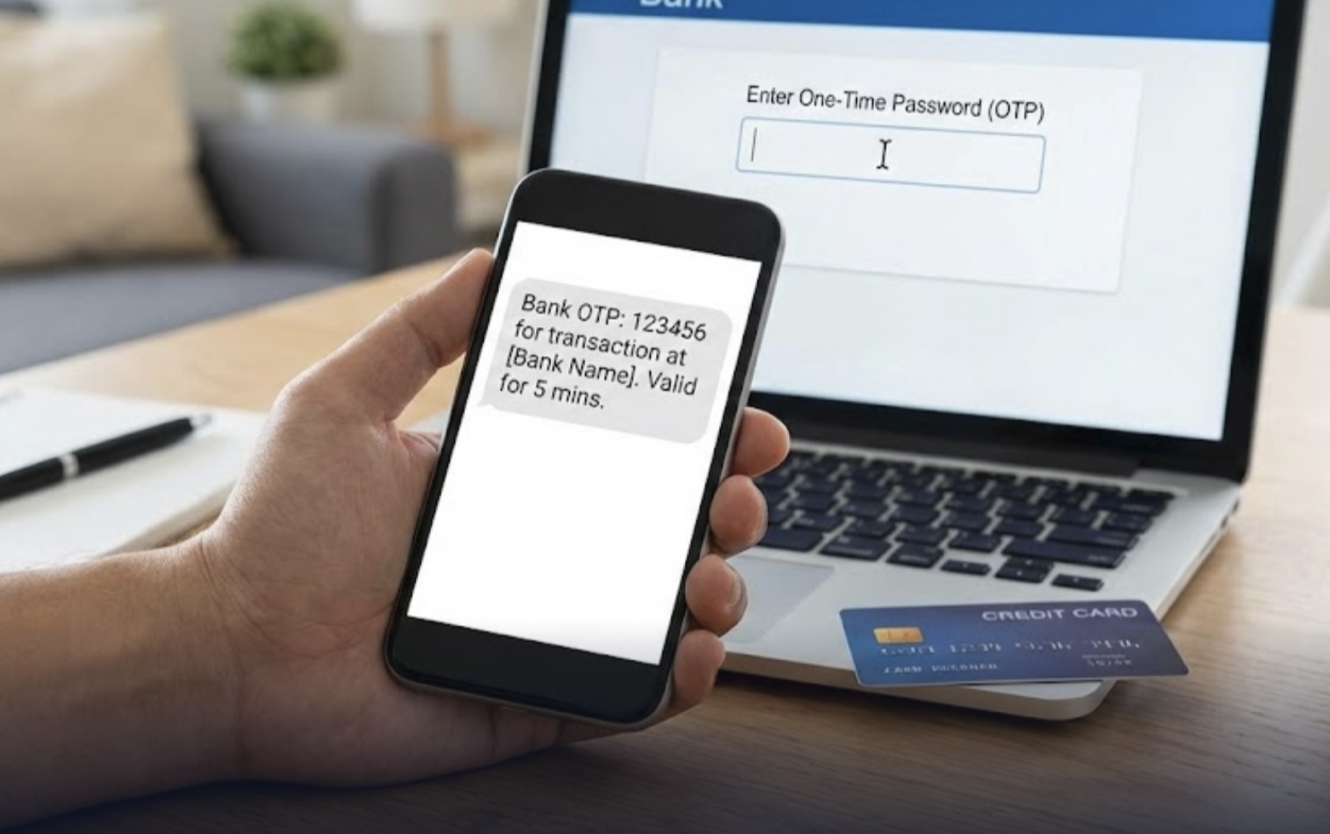
From convincing phone calls by fake bank officials to bogus shopping websites designed to steal credit card details, financial scams are growing increasingly sophisticated across the UAE.
In response, federal authorities, the Central Bank, and police forces are rolling out a multi-layered defence strategy designed to intercept fraud before it reaches consumers.
The approach focuses on three core pillars: making scams harder to execute, speeding up real-time detection, and providing direct avenues for victims to report crimes and recover losses.
Central Bank mandates


The Central Bank of the UAE (CBUAE) has significantly increased compliance requirements for all licensed financial institutions, shifting the burden of fraud detection directly onto banks.
- Phasing Out SMS OTPs: The CBUAE is pushing institutions away from single-factor, SMS-based one-time passwords, favouring biometric verification and dynamic app-based authentications to combat SIM-swap and phishing attacks.
- Anti-Fraud Hub: The regulator established the Central Bank Anti-Fraud Operations Centre (CAFOC) to enable real-time threat monitoring, rapid incident response, and instant data sharing across UAE financial entities.
- Strict monitoring: Banks are legally required to maintain continuous monitoring systems to flag suspicious transactions, combat social engineering, and immediately report unauthorised activities.
Safety for online shoppers


With cybercriminals increasingly targeting online shoppers, the UAE’s consumer protection framework now treats digital storefronts with the same legal scrutiny as physical retail.
- E-Commerce Regulations: Federal Decree-Law No. 14 of 2023 sets clear technical standards, legal liabilities, and data protection rules for digital trading platforms operating in the country.
- Tougher Anti-Counterfeit Penalties: Federal Decree-Law No. 42 of 2023 on Combating Commercial Fraud equips authorities to crack down on fraudulent sellers, corrupt goods, and misleading online commercial practices.
- Statutory Rights: Federal Law No. 15 of 2020 guarantees data privacy, fair dispute settlement, and monetary compensation for consumers facing fraudulent domestic transactions.
Where residents can report scams


Authorities urge residents never to absorb financial losses quietly. Several official channels provide dispute resolution and criminal reporting:
- Ministry of Economy and Tourism: Handles formal consumer disputes, misleading sales complaints, and requests for product recalls, facilitating amicable settlements or judicial referrals.
- Dubai Police e-Crime Platform: Provides a dedicated portal for reporting cybercrime, identity theft, and electronic banking fraud.
- Local Consumer Protection Departments: Each emirate maintains direct channels to investigate deceptive trade practices and unauthorised merchant activity.
Scam warning: Dubai Police recently warned against fraudulent Consumer Protection websites that lure users into downloading remote-access apps, allowing criminals to hijack devices and drain linked bank accounts.
Do’s and Don’ts to keep your accounts safe


While state-level defences continue to tighten, personal vigilance remains essential:
- Don’t share details: No bank or government entity will ever ask for your password, PIN, or multi-factor authentication code via phone, email, or WhatsApp.
- Don’t give remote access: Never download third-party software (such as AnyDesk or TeamViewer) at the request of an unsolicited caller.
- Do URL check: Check domain spellings carefully and ensure e-commerce platforms use verified, secure payment gateways before entering card numbers.
- Don’t wait, act immediately: If you suspect compromised details or notice an unauthorised charge, freeze your card via your banking app and notify your bank’s fraud unit without delay.

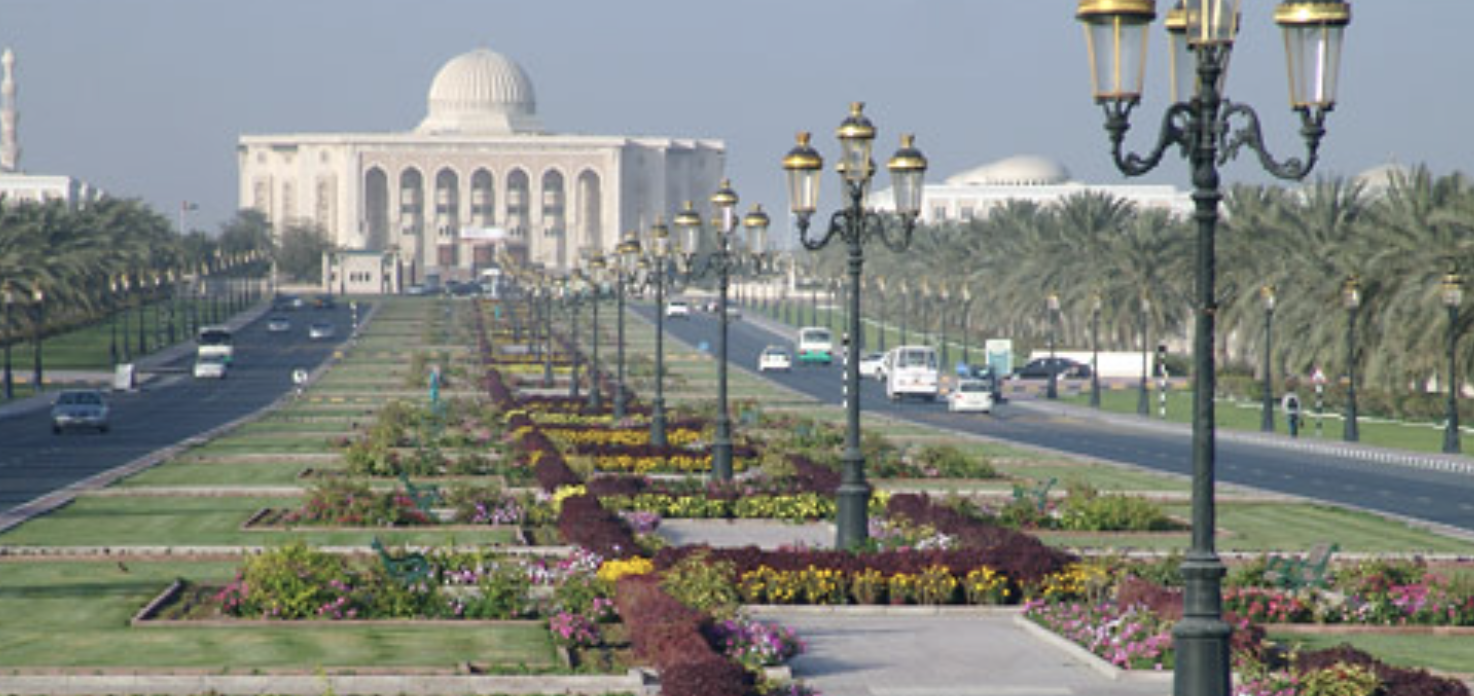
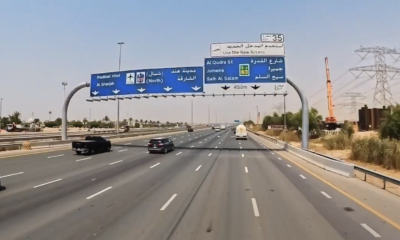
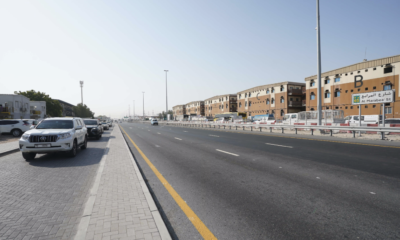
Drivers heading towards Sharjah University City have been given some relief with the partial reopening of a busy route, but motorists using the Industrial Area 17, Maliha Road corridor should prepare for a new traffic diversion from Wednesday, August 26.
Sharjah’s Roads and Transport Authority has reopened two lanes in each direction along a stretch connecting Industrial Area 17, University Bridge and University City.
The reopening restores part of a key route between University City and the Institutes Land area, which had been affected by ongoing roadworks.
New diversion starts August 26


The reopening comes as another section of the road network is partially closed as part of the Etihad Rail Station Access Roads Project.
From Wednesday, motorists travelling from Industrial Area 17 towards Maliha Road will be diverted onto an alternative route.
Drivers heading to Sharjah English School, Nesto Hypermarket and nearby businesses should therefore allow extra time and follow the signed diversion rather than attempting to use their usual approach.
How long will the diversion last?


The temporary diversion is expected to remain in place for just over five weeks, from August 26 until October 5.
The works are part of the wider infrastructure programme supporting the development of the Etihad Rail network in Sharjah.
While the project is expected to improve connectivity in the long term, drivers can expect changes to traffic movements while the access roads are being constructed.
What drivers should know


- University City route: Two lanes in each direction are now open along the reopened section.
- New closure: The Industrial Area 17-to-Maliha Road route will be partially closed from August 26.
- Affected destinations: Drivers heading towards Sharjah English School, Nesto Hypermarket and nearby businesses should use the designated alternative routes.
- End date: The diversion is scheduled to remain until October 5, 2026.
- Drive carefully: Follow directional signs and safety instructions around the work zones.
- Allow extra time: Traffic conditions may change during peak periods as motorists adjust to the diversion.
The Roads and Transport Authority has published a map showing the approved alternative routes. Drivers are advised to check the diversion before setting off and follow the road signs once they reach the affected area.


Bank fraud in UAE: New measures in place to protect residents from money scams

What UAE drivers heading towards Sharjah University Road need to know