

News
Expo 2020 Dubai: Music concerts, jaw-dropping fireworks displays to mark closing ceremony




The curtain will come down on Expo 2020 Dubai on March 31 with a spectacular closing ceremony that will gaze towards the future at Al Wasl Plaza, the beating heart of the first World Expo to be held in the region and the same venue where the memorable opening ceremony took place 182 days ago.
Global music icons Christina Aguilera, Norah Jones and Yo-Yo Ma will sprinkle stardust on the stunning setting, with 20-plus giant screens across the Expo 2020 Dubai site, including the main stages, festival garden and various country pavilions, enabling everyone to experience the magic. The celebration will continue into the night, with full headline concerts from each artist across Jubilee Stage and Dubai Millennium Amphitheatre.


Christina Aguilera
The evening will begin at 7pm with the young Emirati girl from the opening ceremony taking the audience on another compelling journey. For 182 days, she has grown, learned and connected with people from around the world – what remains is the final step before she awakens to her full potential.
The audience beneath Al Wasl’s awe-inspiring dome – home to the world’s largest 360-degree projection surface – will also put the focus on the next generation, as Expo exclusively invites hundreds of children from across the UAE to witness the wonders as the country looks to the next 50 years, having celebrated its Golden Jubilee during Expo 2020 Dubai.
Later in the evening, Grammy-winning cellist Yo-Yo Ma will play a concert at Dubai Millennium Amphitheatre from 8pm; celebrated Grammy-winning singer, songwriter and pianist Norah Jones will entertain visitors with her own concert on the Jubilee Stage from 9pm; and pop legend Christina Aguilera will present an extended performance on the Jubilee Stage from 10.45pm.


Norah Jones
The cast of the closing ceremony includes more than 400 professionals and volunteers from 56 different countries, with 745 costumes created for the culmination of Expo 2020 Dubai. Forty members of a UAE-based children’s choir will perform Ishy Bilady, the National Anthem of the UAE, joined by the all-women Firdaus Orchestra, conducted by Yasmina Sabbah.
Also taking the stage will be the Expo 2020 World String Ensemble, a group of 16 talented international musicians led by maestro Harout Fazlian, and talented Italian pianist Eleonora Constantini, familiar to many Expo 2020 Dubai visitors as the performer behind the amazing Flying Piano show at Mission Possible – The Opportunity Pavilion.
The closing ceremony, streamed live on Virtual Expo and Expo TV, will also remind audiences of some of Al Wasl Plaza’s iconic moments, including calligraphy poetry in the sky from Emirati poetess Ousha bint Khalifa Al Suwaidi; the falcon from immersive theatrical show Journey of the 50th, which was presented during the UAE’s Golden Jubilee celebrations; and the incredible horse from The Boy and The Horse, a tribute to His Highness Sheikh Mohammed bin Rashid Al Maktoum, Vice President, Prime Minister of the UAE and Ruler of Dubai.
As Expo 2020 Dubai looks to the future, Sheikh Nahyan bin Mubarak Al Nahyan, minister of tolerance and coexistence and commissioner-general of Expo 2020 Dubai, will hand the BIE Flag to Ambassador Jai-chul Choi, President of the General Assembly of the Bureau International des Expositions (BIE), who will then present it to representatives of Expo 2025 Osaka Kansai.
The celebrations will continue throughout the night, with more jaw-dropping fireworks displays at midnight and 3am.












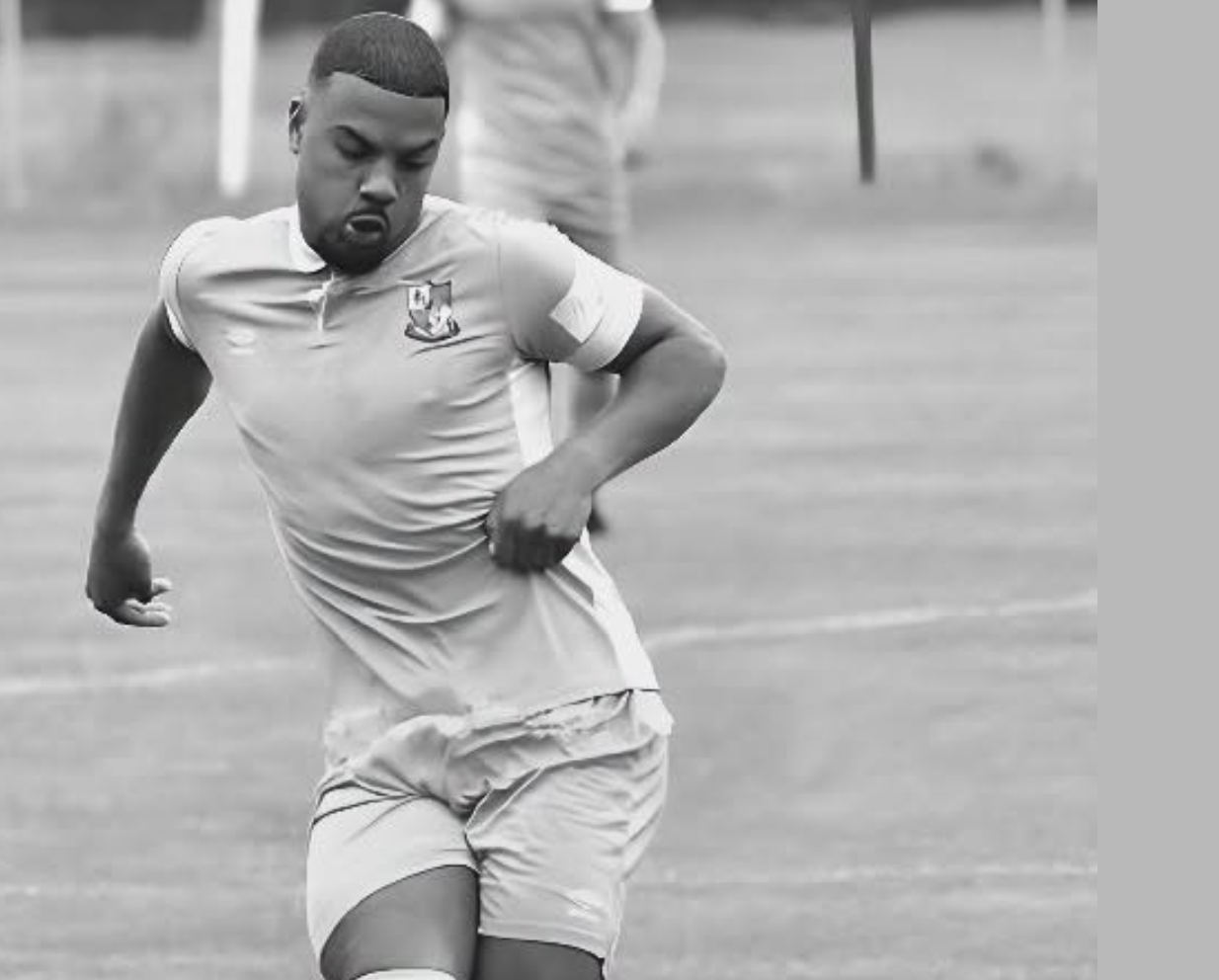
Tributes have poured in after the son of former Chelsea star Eddie Newton was found dead alongside his friend following a hike in the UAE, where temperatures soared to 50C.
Cassius Newton, 34, and his friend Aran Martinson, 33, were found by rescuers on July 18 after setting out on a hike in the mountainous Wadi Naqab region.
The pair, from Dorset and Essex respectively, both lived and worked in the UAE. Their bodies were discovered between 3km and 4km from their vehicle.
According to a report, Chelmsford area coroner Michelle Brown said their provisional causes of death included cardiac and respiratory arrest.
Cassius, a non-league footballer, was the son of former Chelsea midfielder and coach Eddie Newton, who spent more than a decade with the club.
His wife was in the UK when she became concerned after Cassius failed to contact her following the hike and reported him missing.
The two men had been living at a luxury resort in Ras Al Khaimah.
Tributes after desert tragedy


Tributes poured in after the deaths.
Aran’s wife described him as “incredibly driven, hardworking and ambitious”, saying he had recently begun a new chapter in his career and was excited about the future.
Blackfield & Langley Football Club paid tribute to their former player, saying: “It is with heavy hearts that we share the sad news of the passing of former player Cassius Newton; our thoughts and deepest sympathies are with his family and friends during this difficult time.”
National League club Eastleigh, where Cassius had previously played, said it was “deeply saddened” by his death.
Chelsea connection


Cassius’ father Eddie Newton played for Chelsea from 1990 to 2001 and famously scored in the club’s 1997 FA Cup final victory.
The former midfielder also represented Cardiff City, Birmingham City, Oxford United and Barnet.
After retiring as a player, Newton moved into coaching, working as assistant manager at MK Dons and West Brom before returning to Chelsea.
He later served as assistant manager under Roberto Di Matteo and Rafael Benítez.
(With inputs from BBC, The Sun)


Dubai-born HOP Events targets 25 cities in global expansion

New-look Abu Dhabi T10 raises the stakes with star-studded 2026 draft; Naseem, Hales, Amir and Shanaka among top picks


