News
French astronaut takes photo of Expo 2020 Dubai site from ISS




French astronaut Thomas Pesquet took a photo of the Expo 2020 Dubai site from the International Space Station (ISS), during his 200-day mission which launched from Florida, US.
During a Q&A session organized by France Pavilion on Friday at Expo 2020 Dubai, Pesquet responded to a number of questions from growing food in zero gravity to installing solar arrays (systems of multiple solar panels) on the International Space System (ISS).
“Before the mission starts, there is a lot of travelling around the world to different space agencies,” Pesquet, who was the first person from France to command the ISS, said of his second mission. “We have to train for every kind of emergency, such as how to deal with a fire, which reacts very differently in zero gravity.”
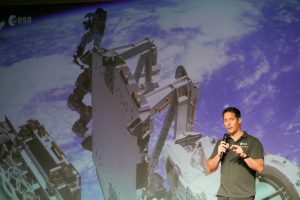

Not only did he have to be familiar with all the systems in place, but he and his crew of four – NASA astronauts Megan MacArthur and Shane Kimbrough, and Japanese astronaut Aki Hoshide – needed to ensure the maintenance of the ISS. Intense daily physical training was also essential in preparation for zero gravity, which causes muscle loss. But the preparation was worth it, he said. “You move by floating onboard ISS, like you dreamt as a child. It looks like a sci-fi movie or a maze in 3D,” Pesquet added. “You can move up and down – everywhere – so it takes a few days to adjust.”
In their free time, the crew would look through the windows and take time-lapse photos. “It was incredible to admire the beauty unravel in front of us – to see the different colours of deserts and shapes of snow glaciers. It’s amusing to see streets of famous cities. I took a photo of Expo in Dubai,” Pasquet said.
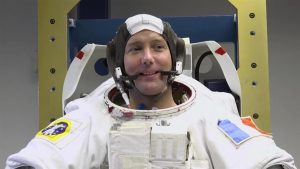

“The wonderful thing about space is that there are no borders,” he added. “We may all be from different countries and cultures but we are all on the same side. ISS is a good example of people from around the world cooperating and working together. And we need to use those values for the future of humanity.”







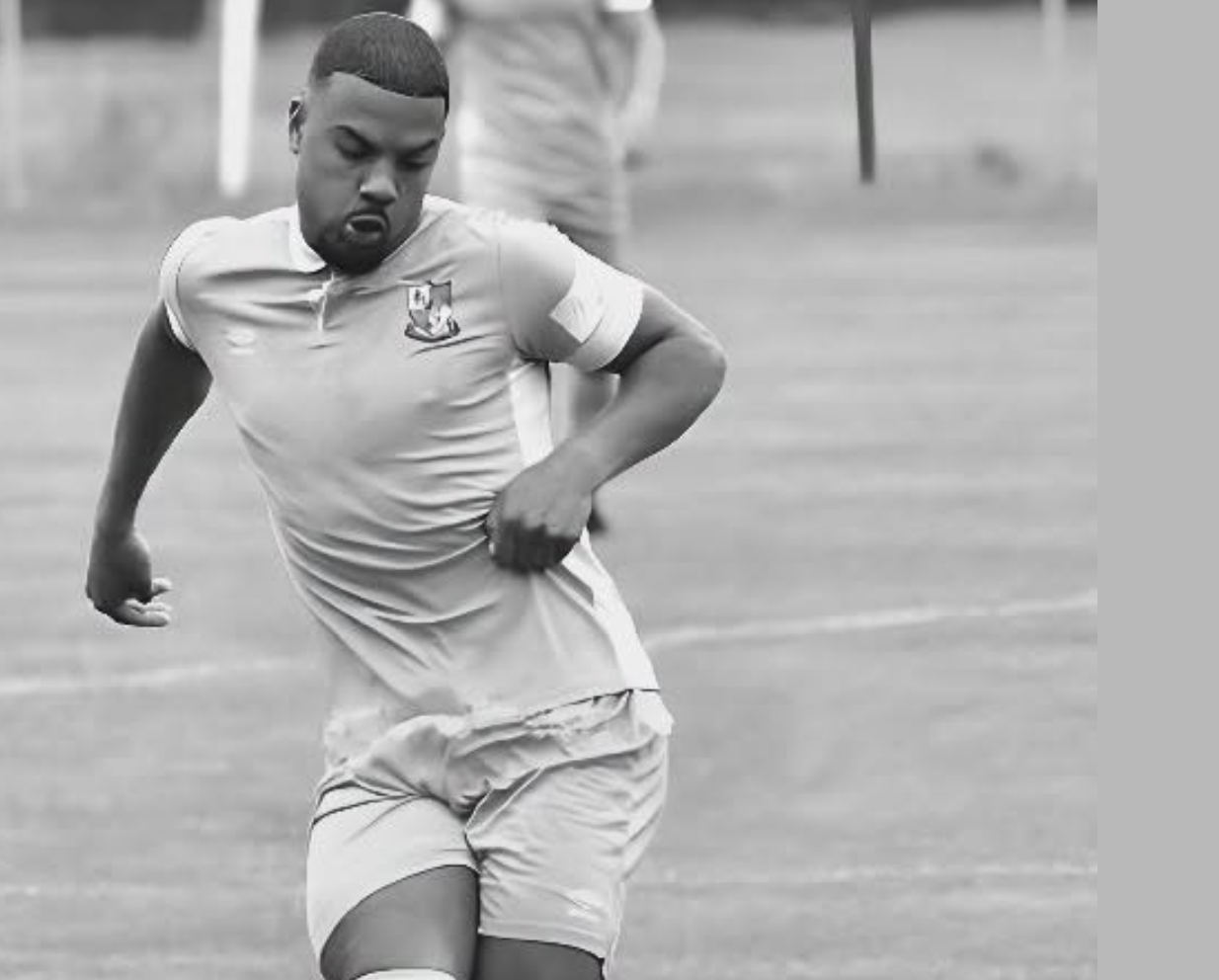
Tributes have poured in after the son of former Chelsea star Eddie Newton was found dead alongside his friend following a hike in the UAE, where temperatures soared to 50C.
Cassius Newton, 34, and his friend Aran Martinson, 33, were found by rescuers on July 18 after setting out on a hike in the mountainous Wadi Naqab region.
The pair, from Dorset and Essex respectively, both lived and worked in the UAE. Their bodies were discovered between 3km and 4km from their vehicle.
According to a report, Chelmsford area coroner Michelle Brown said their provisional causes of death included cardiac and respiratory arrest.
Cassius, a non-league footballer, was the son of former Chelsea midfielder and coach Eddie Newton, who spent more than a decade with the club.
His wife was in the UK when she became concerned after Cassius failed to contact her following the hike and reported him missing.
The two men had been living at a luxury resort in Ras Al Khaimah.
Tributes after desert tragedy


Tributes poured in after the deaths.
Aran’s wife described him as “incredibly driven, hardworking and ambitious”, saying he had recently begun a new chapter in his career and was excited about the future.
Blackfield & Langley Football Club paid tribute to their former player, saying: “It is with heavy hearts that we share the sad news of the passing of former player Cassius Newton; our thoughts and deepest sympathies are with his family and friends during this difficult time.”
National League club Eastleigh, where Cassius had previously played, said it was “deeply saddened” by his death.
Chelsea connection


Cassius’ father Eddie Newton played for Chelsea from 1990 to 2001 and famously scored in the club’s 1997 FA Cup final victory.
The former midfielder also represented Cardiff City, Birmingham City, Oxford United and Barnet.
After retiring as a player, Newton moved into coaching, working as assistant manager at MK Dons and West Brom before returning to Chelsea.
He later served as assistant manager under Roberto Di Matteo and Rafael Benítez.
(With inputs from BBC, The Sun)



Flying-car trials planned in Ras Al Khaimah under new UAE-China agreement

Yas Marina to stage first Abu Dhabi F1 Sprint as 2027 calendar expands