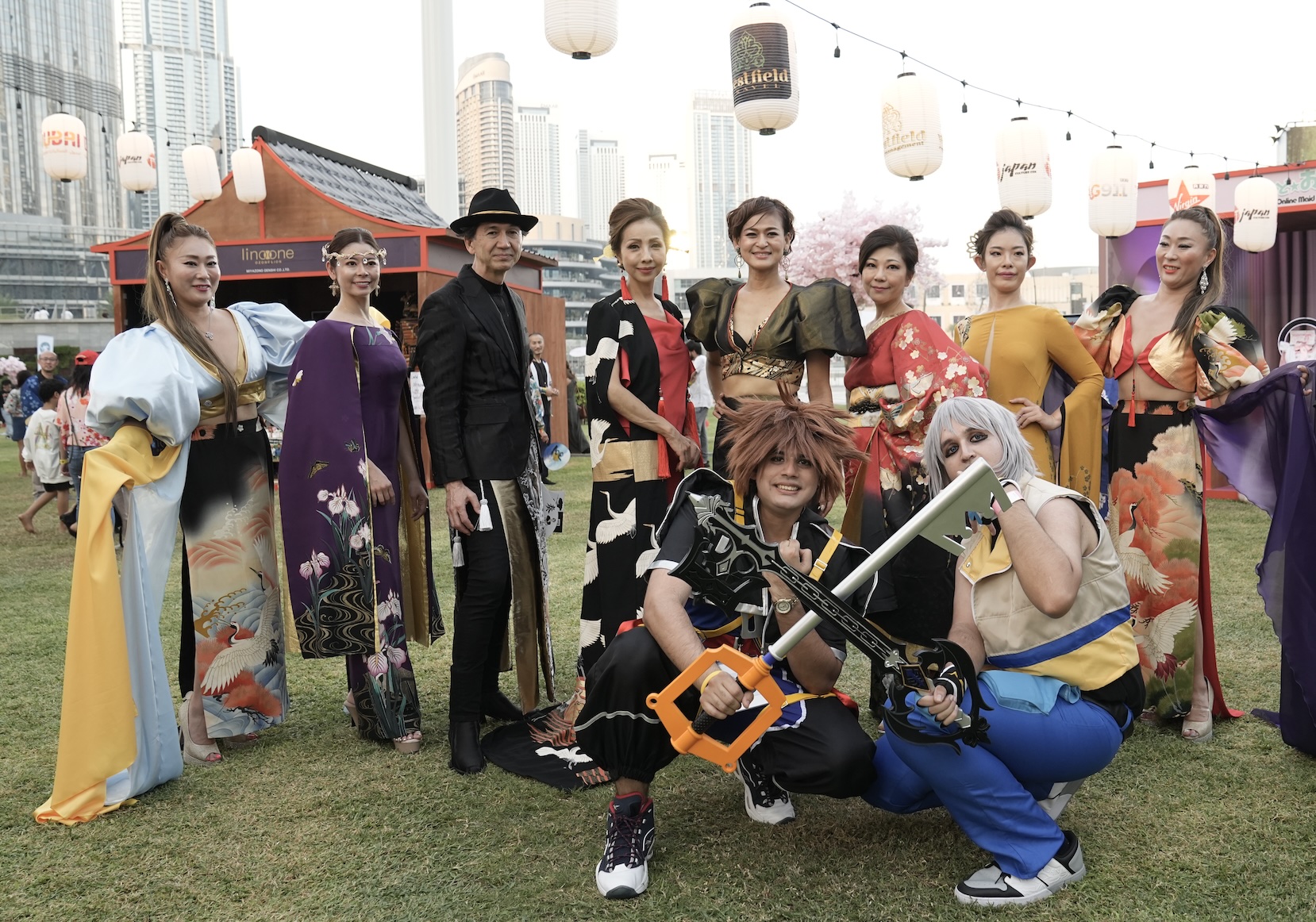
The Japan Culture Con (JCC) convention, dedicated to showcasing the richness of culture from the Land of the Rising Sun, drew to a close with resounding response at the Burj Park, Dubai.
The JCC brought together enthusiasts, artists, and experts over a period of three days to create a vibrant tapestry of traditional and contemporary expressions.
According to the organisers, JCC exceeded their expectations with record-breaking attendance numbers. Over 13,000 enthusiasts gathered to immerse themselves in the multifaceted beauty of Japan’s cultural heritage. The diverse audience contributed to the event’s dynamic atmosphere, fostering cultural exchange and understanding.
A range of diverse and dynamic programming played an important part in the event’s success. Attendees experienced a kaleidoscope of traditional arts, modern performances, interactive workshops, and immersive exhibits that showcased the evolution of Japanese culture. The fusion of tradition and innovation was a key theme, resonating with participants of all ages and backgrounds.
The convention featured a stellar lineup of cultural icons and rising stars, including renowned artists, performers, and experts in various fields. Their contributions brought authenticity and depth to the event, enriching the experience for attendees and highlighting the global appeal of Japanese culture.
The Culture Con successfully leveraged various platforms to engage a global audience. Social media channels buzzed with excitement, with attendees sharing their favorite moments and connecting with like-minded individuals. The virtual components of the event allowed those unable to attend in person to participate, expanding the reach of the convention.
The success was further amplified through strategic collaborations and partnerships. Japanese businesses, cultural organisations, and sponsors played a crucial role in supporting and enhancing the event, contributing to its overall success. Journalists and influencers highlighted the unique experiences, performances, and cultural insights presented at Japan Culture Con, further establishing it as a premier event in the cultural calendar.
The organisers – Keisaku Nishida (CEO) and Beenish Muneer (Managing Director) of Westfield Event Management – said in a statement: “We extend our heartfelt gratitude to all attendees, supporters, sponsors, and partners who contributed to the success of Japan Culture Con. Their enthusiasm and commitment to celebrating Japanese culture made the event a truly memorable and enriching experience.” There are plans already to build on the success, they said.
This family was part of the roughly 13,000 attendees at the Japan Culture Con
Dubai is set to transform Umm Suqeim Beach into a world-class waterfront destination after Sheikh Hamdan bin Mohammed bin Rashid Al Maktoum, Crown Prince of Dubai and Chairman of The Executive Council of Dubai, approved a Dh500 million master plan for its redevelopment.
The project, led by Dubai Municipality, is one of the emirate’s flagship beach development initiatives and aims to blend global design excellence with a distinctive Emirati identity, reinforcing Dubai’s position as a leading international tourism destination.
A future-ready beach destination
Spanning 3.1 kilometres and covering 445,000 square metres, the redevelopment will increase the beach area and developable spaces by 30 per cent. Smart lighting will illuminate 130,000 square metres of beachfront, enabling night swimming and extended evening activities.
Aligned with Dubai’s long-term vision
Sheikh Hamdan said the project reflects Dubai’s commitment to enhancing public spaces through innovative design, advanced urban planning and sustainable infrastructure, while prioritising quality of life for residents and visitors.
The Umm Suqeim Beach master plan supports the Dubai Quality of Life Strategy 2033 and the Dubai 2040 Urban Master Plan, focusing on sustainable waterfront development, healthy lifestyles and community wellbeing.
Extensive social, environmental and traffic studies were conducted, alongside community engagement, to ensure the project balances tourism growth with environmental protection and residential privacy.
Key features of the Umm Suqeim Beach redevelopment
Capacity to welcome up to 6 million visitors annually
200% increase in parking, reaching approximately 2,400 spaces
Six architecturally distinctive gateways reflecting local heritage
Ten mobility hubs and 11 taxi pick-up and drop-off points
Integrated cycling and e-scooter facilities
A 38-metre observation tower inspired by Dubai’s maritime history
Upgraded road access from Jumeirah Street with improved traffic flow
Sustainability and climate resilience
The project places strong emphasis on sustainability, including climate change adaptation measures such as a two-kilometre retaining wall, elevated beach levels, and an AI-powered smart facilities management system to enhance operational efficiency.
Boosting tourism and private sector participation
Dubai Municipality will actively engage private sector partners and investors, strengthening public-private partnerships and further supporting Dubai’s tourism economy.
Once completed, the redeveloped Umm Suqeim Beach is expected to become a globally recognised urban landmark, offering a destination that combines leisure, sport, culture and sustainability.
DP World has officially unveiled Dubai Food District, a bold transformation of the Al Aweer Central Fruit and Vegetable Market into one of the largest and most advanced food trade hubs in the world.
Rolling out in phases from 2027, the mega district will more than double the current market’s footprint to 29 million sq ft, bringing trade, storage, processing and distribution together under one roof. Think cold-chain logistics, smart warehousing, food processing, digital solutions, cash-and-carry zones and even a gourmet food hall.
Announced last year by His Highness Sheikh Mohammed bin Rashid, Vice President and Prime Minister of the UAE and Ruler of Dubai, the project expands beyond fruits and vegetables to include dairy, staples, gourmet and specialty foods, positioning Dubai as a global gateway for food trade and food security.
Built on Al Aweer’s strong legacy, serving over 2,500 traders since 2004, the district aims to boost efficiency, cut supply chain risks and help food businesses reach markets faster and smarter. With multimodal connectivity to more than 20 global markets, DP World is betting big on Dubai’s role at the heart of the future food economy.
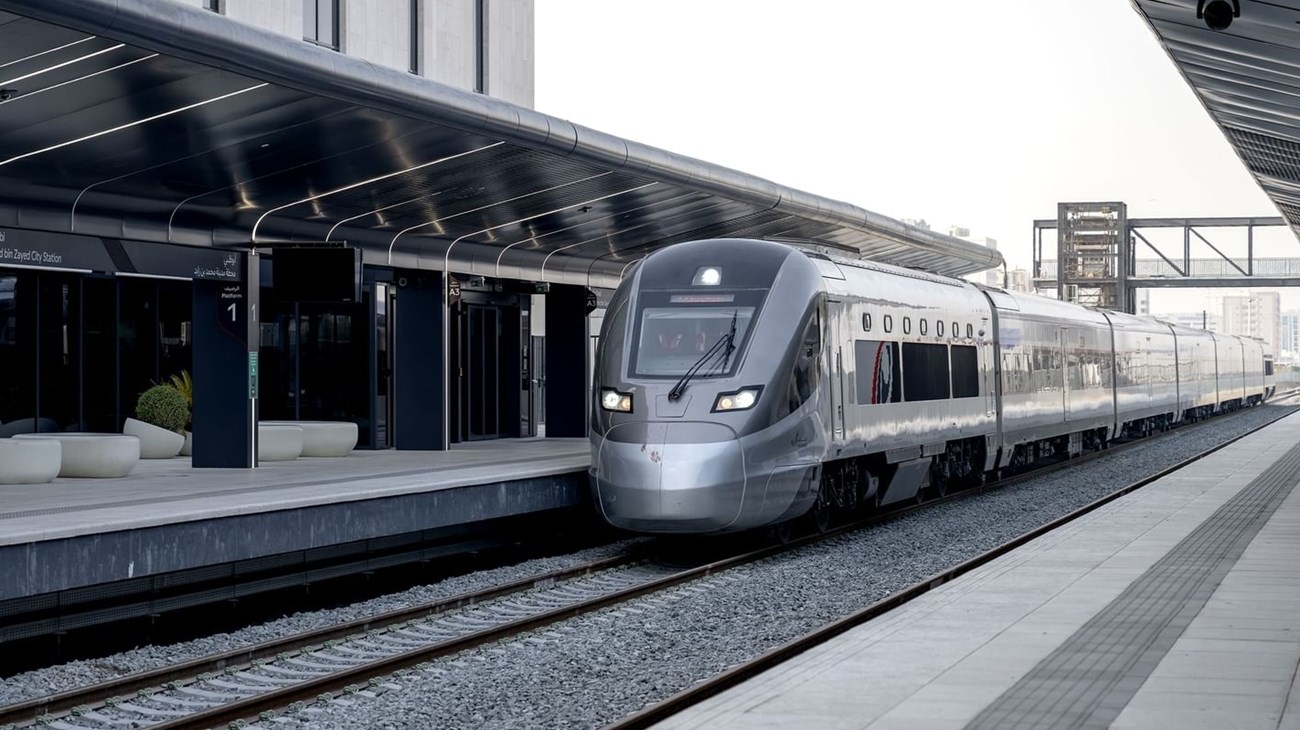
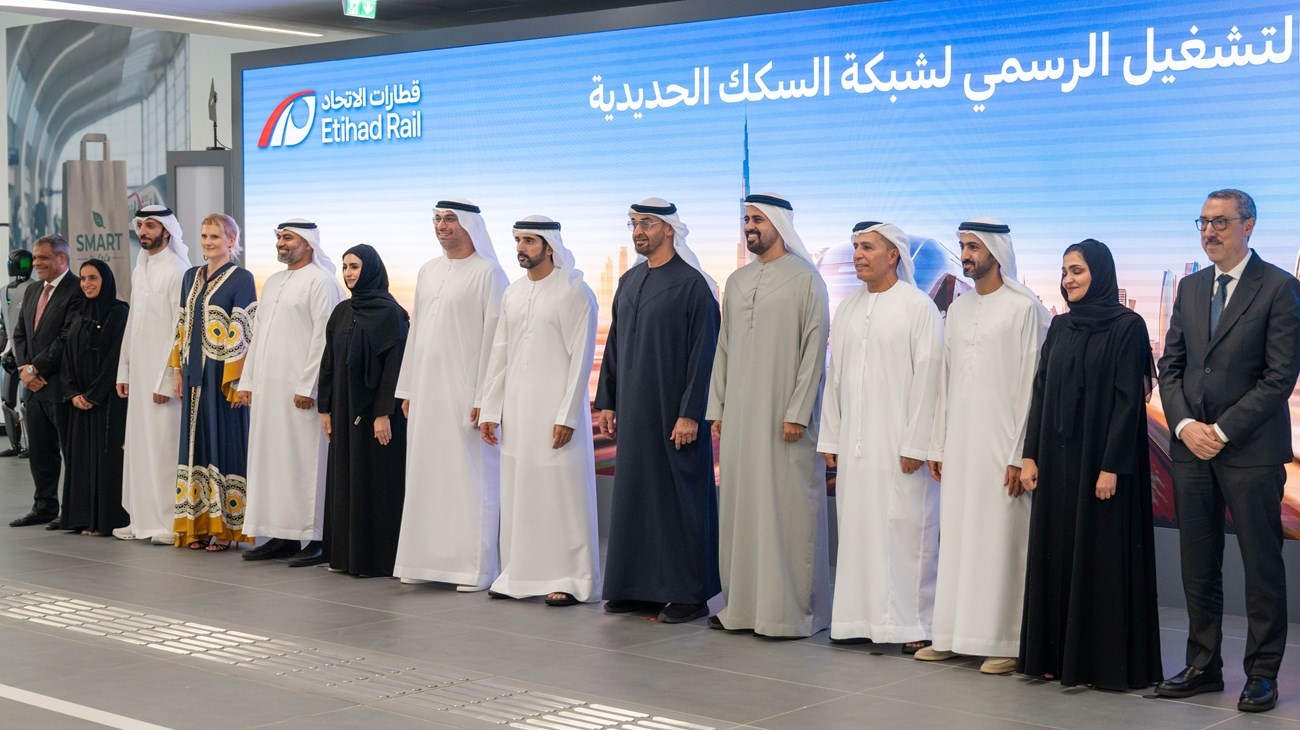
Residents in the UAE will soon have a new way to get around, with Etihad Rail unveiling the country’s first fully integrated passenger rail network connecting 11 cities and regions. Passenger services are expected to begin in 2026, offering a fast, reliable, and comfortable alternative to road travel.
New stations
Seven new stations will open in Al Sila, Al Dhannah, Al Mirfa, Madinat Zayed, Mezairaa, Al Faya, and Al Dhaid, adding to previously announced stations in Abu Dhabi, Dubai, Sharjah, and Fujairah. The stations have been strategically placed to make commuting and travel between residential areas, business hubs, and key destinations easier for residents.
The trains will run on fixed schedules, with modern interiors, ergonomic seating, onboard Wi-Fi, and power outlets at every seat. Each train can carry up to 400 passengers, with the network expected to handle around 10 million passengers annually.
Abu Dhabi-Dubai in 57 minutes
Residents can expect travel times of 57 minutes from Abu Dhabi to Dubai, 105 minutes to Fujairah, and 70 minutes to Al Ruwais. The passenger network will link destinations from Al Sila in the west to Fujairah in the east, reducing dependency on cars and providing a convenient option for daily commuters and weekend travellers alike.
Etihad Rail confirmed that 10 of the 13 trains have already arrived in the UAE and completed safety testing. Officials said the system is being equipped with advanced technologies to ensure safety, efficiency, and reliable service for daily travel.
The network builds on Etihad Rail’s freight operations launched in 2023 and is part of the UAE’s vision for an integrated national transport system. A future high-speed rail line between Abu Dhabi and Dubai is planned, expected to cut travel time to just 30 minutes and support long-term economic growth.