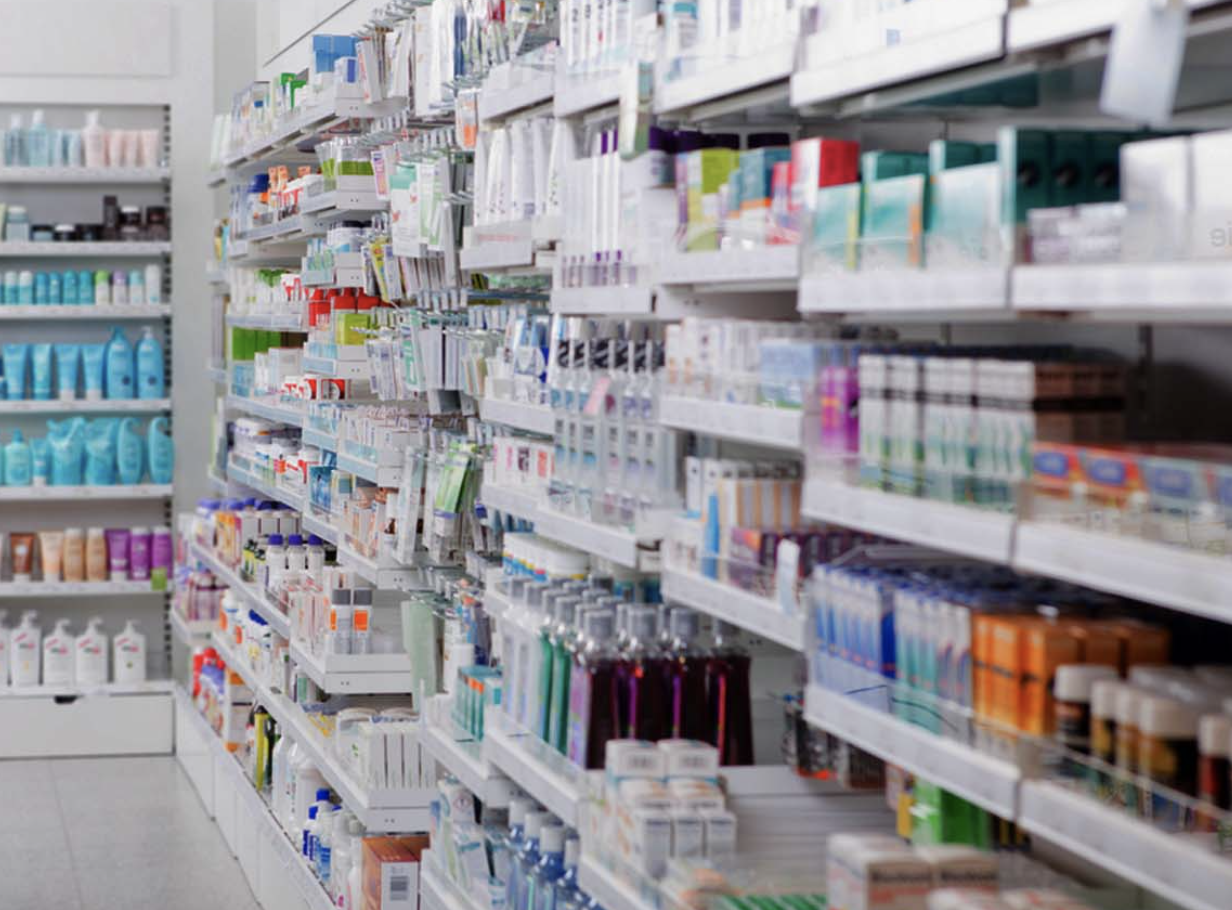
The Emirates Drug Establishment (EDE) has activated a new regulatory mechanism aimed at ending monopolistic practices in the UAE’s medical product market, marking a significant shift in how pharmaceuticals are distributed across the country.
Introduced under the 2024 federal law governing medical products, pharmacists and pharmaceutical establishments, the measure requires pharmaceutical companies to appoint more than one authorised agent for each medical product marketed in the UAE.
Officials say the move is designed to strengthen pharmaceutical security, ensure stable medicine supplies and enhance national preparedness during emergencies.
Ending single-agent control
Under the new framework, companies can no longer depend on a single distributor for a specific product.
By mandating multiple authorised agents, the EDE aims to:
Prevent supply disruptions
Improve distribution efficiency
Increase supply-chain flexibility
Eliminate monopolistic control over essential medicines
The authority said the mechanism will widen treatment options and promote healthier competition among distributors, ultimately benefiting patients and healthcare providers.
Boosting investment and market sustainability
Beyond addressing monopolies, the initiative is expected to make the UAE pharmaceutical sector more attractive to investors.
Officials note that diversified distribution channels reduce operational risks and enhance long-term sustainability, a key pillar in building a resilient healthcare ecosystem.
The reform aligns with the UAE’s broader strategy to modernise regulatory systems and position the country as a regional hub for life sciences and pharmaceutical trade.
Saeed bin Mubarak Al Hajeri, Minister of State and Chairman of the EDE’s Board of Directors, said the initiative reflects the UAE’s public policy approach to developing a robust national pharmaceutical ecosystem.
He emphasised the authority’s commitment to:
Diversifying supply chains
Enhancing regulatory efficiency
Creating a flexible legislative environment
Protecting public health
Officials stress that the mechanism goes beyond market competition. It serves as a strategic safeguard to ensure uninterrupted access to medicines during global disruptions or health emergencies.
What it means for the healthcare sector
The activation of the mechanism signals a transition toward a more competitive, transparent and secure pharmaceutical market.
For patients: Greater consistency in medicine availability
For distributors: Increased competition and operational flexibility
For investors: A stronger, more sustainable regulatory environment
As implementation of the 2024 federal law continues, further refinements are expected to shape the future of the UAE’s pharmaceutical supply chain and reinforce national health security.
With over 35 years of experience in journalism, copywriting, and PR, Michael Gomes is a seasoned media professional deeply rooted in the UAE’s print and digital landscape.
The world’s most famous ‘seven-star’ hotel is officially getting some work done. For the first time since its doors swung open in 1999, the Burj Al Arab is undergoing a massive restoration. Don’t worry, though, the sail-shaped structure isn’t going anywhere. Jumeirah Group is just making sure this Dubai luxury property stays looking fresh for the next generation.
What’s the plan
This isn’t just a quick coat of paint. We’re talking about an 18-month phased restoration led by the renowned designer, Tristan Auer. If the name sounds familiar, it’s because he’s the mastermind behind the stunning Hotel de Crillon in Paris and a protege of the legendary Philippe Starck.
The hotel will, however, be running during the renovation process, which also includes modernising the interiors.
Why is Burj famous
The Burj Al Arab is more than just a place to sleep, rest and enjoy the luxury comforts, it’s basically the face of Dubai. Here’s a quick refresher on why this building is iconic:
The height: It towers at 321 meters on its own private island.
The bling: The interiors are packed with marble, gold leaf, and Swarovski crystals.
The icon status: From helipad tennis matches with Roger Federer to its massive 450kg crystal chandelier, it put Dubai on the luxury map 27 years ago.
Preserving the icon
As Dubai grows, the city is shifting its focus toward preserving its modern icons. By giving the Burj Al Arab a thoughtful facelift now, they’re ensuring that the ‘Sail of Dubai’ remains the ultimate symbol of global luxury without losing the original character that made it famous in the first place.
According to the Jumeirah Group, the renovation is aimed at preserving one of the emirate’s most famous symbols for future generations.
The Dubai International Financial Centre (DIFC) has today announced a comprehensive suite of temporary economic support measures designed to fortify its business and retail community. Effective immediately, the package addresses short-term operational pressures, ensuring the DIFC ecosystem remains the most resilient financial hub in the MEASA region.
As the global economy navigates a shifting landscape, the DIFC Authority is taking a proactive stance to provide financial reassurance and administrative flexibility to its 8,800+ active firms.
Targeted financial & operational support
The relief measures are specifically designed to stabilise cash flows for both commercial tenants and retail operators. Key initiatives include:
Flexible Payment Solutions: Customised payment plans for retail and commercial sectors.
Licensing Ease: New instalment plans for license renewal fees to reduce upfront capital requirements.
Administrative Grace Periods: Extensions on payments related to the Registrar of Companies, Data Protection Department, and lease contract filings.
Workforce Support: Deferred timelines for registering employees into the DIFC Employee Workplace Savings (DEWS) scheme.
Regulatory flexibility
In tandem with the DIFC Authority, the Dubai Financial Services Authority (DFSA) is introducing regulatory relief to maintain market momentum. These measures will support existing regulated firms and streamline the authorisation process for new entities seeking to enter the Dubai market.
“At DIFC, we stand alongside our clients, partners, and employees with a clear commitment to provide support and reassurance when it is needed most,” said Arif Amiri, Chief Executive Officer of DIFC Authority.
The announcement comes as DIFC continues its Zabeel District expansion, which is set to house over 42,000 companies. By prioritising the human and financial health of its current partners, DIFC is reinforcing Dubai’s position as a top-four global financial centre that prioritises stability alongside innovation.
As global markets navigate a landscape of uncertainty, the UAE continues to stand as a beacon of stability and resilience. While business leaders across the region have applauded the nation’s defence mechanisms and leadership, one Dubai-based advertising firm is moving beyond words and into action.
NextWhat Advertising has unveiled a massive, self-funded tribute billboard at the Dubai World Trade Centre Roundabout. In a move that breaks industry norms, the agency has bypassed commercial revenue to dedicate one of the city’s most premium outdoor spots to a message of solidarity and love for the UAE leadership.
The billboard, strategically located in the parking area facing the flow of traffic from Emirates Towers toward Zabeel Road and facing the iconic Sheikh Zayed Road, carries a heartfelt message honouring the strength, wisdom, and commitment to unity that defines the UAE’s path forward.
Gratitude for leadership
While Corporate Social Responsibility (CSR) campaigns are common, they are almost exclusively funded by clients. NextWhat is pioneering a different path: the billboard owner acting as the benefactor.
“Typically, we see clients using CSR funds for these types of messages. Among outdoor media players, we are amongst the first few to have done this entirely on our own,” says Tanvir Shah, Founder and Managing Director of NextWhat Advertising.
“We’ve spent our own money and used our own premium space, no sponsorship, no clients, to show our genuine gratitude for the safety and leadership the UAE provides.”
From Mumbai to the world stage
The man behind the move, Tanvir Shah, is a first-generation entrepreneur with a legacy of Thinking Big. A graduate of Mumbai’s prestigious Sydenham College and a veteran of The Times of India, Shah launched his first venture in 1992. Today, his footprint spans India, Sri Lanka, and the UAE.
Under Shah’s leadership, NextWhat has become synonymous with unmissable brand experiences. By dedicating their state-of-the-art digital and large-format sites to a national cause, the company is demonstrating that in the UAE, the bond between the private sector and the state is built on more than just commerce; it is built on shared resilience.
United we stand as a family
Today, as business leaders and residents alike confront uncertainty, they do so not as guests in a foreign land, but as a united family standing in defence of the home that has embraced them. This bond has been forged through years of shared milestones and a collective belief that, regardless of origin, hearts can beat as one for the Emirates.
“The UAE has given us extraordinary opportunities and unwavering support. Just as it welcomed us during times of prosperity, we stand with it now in moments of challenge. We are not merely expatriates or guests; we are family. Irrespective of nationality, we have consciously chosen this country as our home, and we hold it close to our hearts. Our loyalty has only grown stronger through the trust and confidence shown by the nation’s leadership. This land has embraced us with dignity, and the least we can do is stand by it. At the end of the day, we are one,” concluded Shah.