Dubai, a city renowned for its futuristic skyline and innovative infrastructure, is once again at the forefront of urban development with a major upgrade to its road network. Designed to improve traffic flow, enhance safety, and accommodate the city’s rapid growth, these changes are set to redefine the commuting experience. Here are the four key changes every resident and visitor should know about:
Expansion of Key Highways
The first significant upgrade involves the expansion of Dubai’s key highways. Sheikh Zayed Road, the main artery that runs through the city, is undergoing a massive widening project. Additional lanes are being added to alleviate congestion during peak hours, promising smoother and faster commutes. The expansion extends to other critical routes such as Emirates Road and Sheikh Mohammed bin Zayed Road, ensuring that the city’s growing traffic demands are met with efficiency.
Introduction of Smart Traffic Management Systems
Dubai is embracing smart technology to revolutionise its traffic management. New intelligent traffic systems (ITS) are being installed across the city, featuring advanced sensors and cameras that monitor traffic conditions in real-time. These systems can automatically adjust traffic signals, provide live updates to drivers via digital sign boards, and even reroute traffic during emergencies. The result is a more responsive and adaptive traffic flow, reducing delays and improving overall road safety.
Enhanced Pedestrian and Cycling Infrastructure
Recognizing the importance of sustainable and healthy transportation options, Dubai is significantly enhancing its pedestrian and cycling infrastructure. New dedicated bike lanes and pedestrian paths are being constructed, particularly in busy urban areas and around popular attractions. These paths are designed to be safe and accessible, encouraging more residents and tourists to opt for walking or cycling as their preferred mode of transport. The initiative not only promotes a healthier lifestyle but also helps to reduce the city’s carbon footprint.
Upgraded Public Transportation Hubs
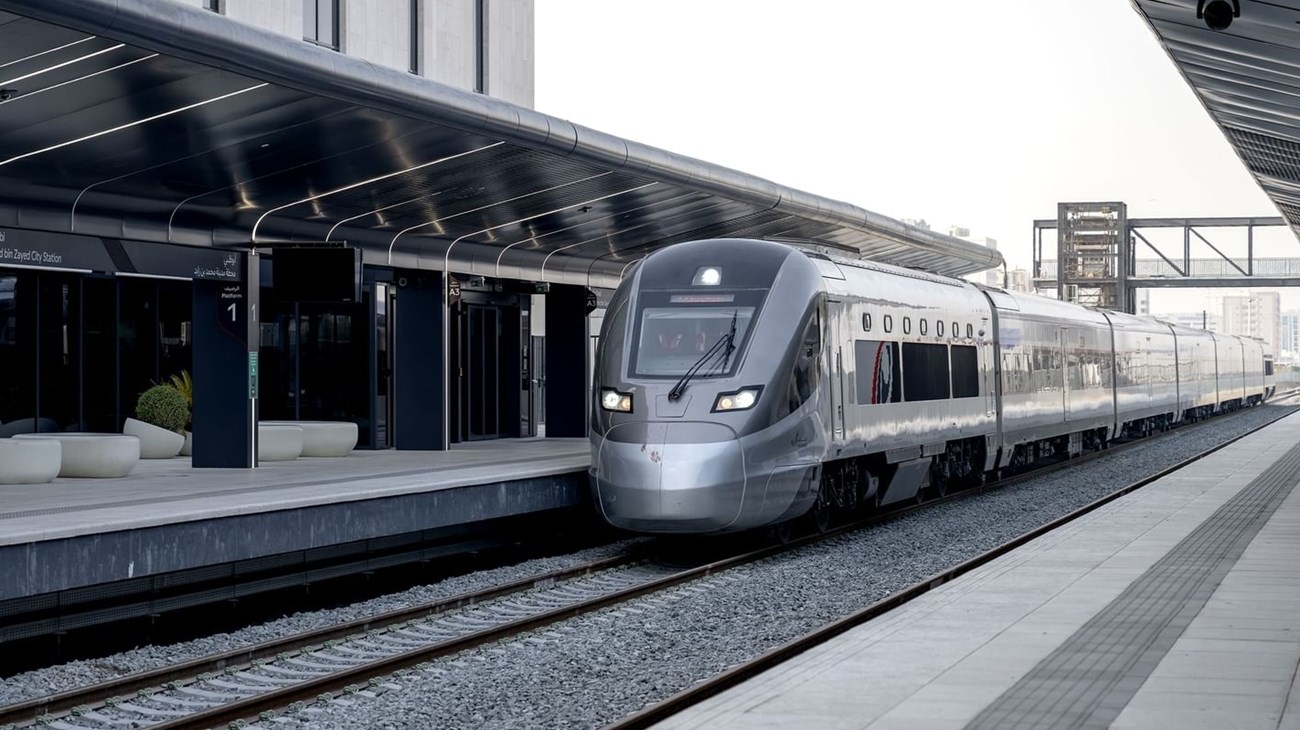
The upgrade extends beyond roads to include public transportation hubs, integrating them seamlessly with the road network. Major metro stations, bus terminals, and tram stops are being revamped to offer better connectivity and convenience. New park-and-ride facilities are being introduced, making it easier for commuters to switch between driving and public transport. The improved hubs aim to make public transportation a more attractive option, thereby easing the load on the city’s roads.
These major upgrades to Dubai’s road infrastructure are a testament to the city’s commitment to innovation and excellence in urban planning. By expanding highways, implementing smart traffic systems, enhancing pedestrian and cycling paths, and upgrading public transport hubs, Dubai is paving the way for a more efficient, safe, and sustainable future. As these projects come to fruition, residents and visitors alike can look forward to a transformed commuting experience, befitting a city that continues to lead the way in modern urban living.
With 20 years of experience across print, TV, and digital journalism, Sudhashree is a seasoned media professional with a keen eye for news. A true news bug, she thrives on curating stories that capture the pulse of fashion, film, and all things trending. Deeply immersed in the fast-evolving media landscape, she swears by the power of social media to shape narratives and spark conversations.
Dubai is getting a brand-new desert destination, and it’s massive.
His Highness Sheikh Mohammed bin Rashid Al Maktoum, Vice President and Prime Minister of the UAE, and Ruler of Dubai, has approved Al Layan Oasis, a 10 million square foot eco-tourism and leisure project set to transform part of the emirate’s desert into a lake-centred retreat packed with walking trails, camping areas and family attractions.
Located about 50 minutes from Dubai city centre, the oasis is expected to attract 330,000 visitors a year.
A 2.5 Million Sq Ft Lake in the Desert
At the heart of Al Layan Oasis will be a 2.5 million sq ft lake, surrounded by:
14km of walking and cycling tracks
Elevated pathways five metres above ground
1,000 parking spaces
Sports and recreation facilities
Camping and caravan zones
The elevated 4km track will offer panoramic desert views and connect to existing routes in Al Marmoom.
Four Zones for Families and Visitors
The destination will feature four themed areas:
Camping Oasis: 100 caravan spots and a visitor centre
Gathering Oasis: Open-air cinema, amphitheatre and food trucks
Family Oasis: 28 shaded rest areas and children’s play zones
Recreation Oasis: Retail, activities and leisure facilities
Officials say the project balances eco-tourism with environmental protection, expanding native planting and shaded areas to enhance comfort.
Part of Dubai’s Sustainability Plan
Al Layan Oasis forms part of Dubai Municipality’s Blue and Green Roadmap 2030, under a Dh4 billion package aimed at investing in nature to improve the quality of life.
The project also supports the Dubai 2040 Urban Master Plan and the emirate’s long-term sustainability and wellbeing goals.
Once completed, Al Layan Oasis is expected to become one of Dubai’s key desert lifestyle and eco-tourism destinations, offering residents and tourists a new way to experience nature without leaving the emirate.
Dubai is set to transform Umm Suqeim Beach into a world-class waterfront destination after Sheikh Hamdan bin Mohammed bin Rashid Al Maktoum, Crown Prince of Dubai and Chairman of The Executive Council of Dubai, approved a Dh500 million master plan for its redevelopment.
The project, led by Dubai Municipality, is one of the emirate’s flagship beach development initiatives and aims to blend global design excellence with a distinctive Emirati identity, reinforcing Dubai’s position as a leading international tourism destination.
A future-ready beach destination
Spanning 3.1 kilometres and covering 445,000 square metres, the redevelopment will increase the beach area and developable spaces by 30 per cent. Smart lighting will illuminate 130,000 square metres of beachfront, enabling night swimming and extended evening activities.
Aligned with Dubai’s long-term vision
Sheikh Hamdan said the project reflects Dubai’s commitment to enhancing public spaces through innovative design, advanced urban planning and sustainable infrastructure, while prioritising quality of life for residents and visitors.
The Umm Suqeim Beach master plan supports the Dubai Quality of Life Strategy 2033 and the Dubai 2040 Urban Master Plan, focusing on sustainable waterfront development, healthy lifestyles and community wellbeing.
Extensive social, environmental and traffic studies were conducted, alongside community engagement, to ensure the project balances tourism growth with environmental protection and residential privacy.
Key features of the Umm Suqeim Beach redevelopment
Capacity to welcome up to 6 million visitors annually
200% increase in parking, reaching approximately 2,400 spaces
Six architecturally distinctive gateways reflecting local heritage
Ten mobility hubs and 11 taxi pick-up and drop-off points
Integrated cycling and e-scooter facilities
A 38-metre observation tower inspired by Dubai’s maritime history
Upgraded road access from Jumeirah Street with improved traffic flow
Sustainability and climate resilience
The project places strong emphasis on sustainability, including climate change adaptation measures such as a two-kilometre retaining wall, elevated beach levels, and an AI-powered smart facilities management system to enhance operational efficiency.
Boosting tourism and private sector participation
Dubai Municipality will actively engage private sector partners and investors, strengthening public-private partnerships and further supporting Dubai’s tourism economy.
Once completed, the redeveloped Umm Suqeim Beach is expected to become a globally recognised urban landmark, offering a destination that combines leisure, sport, culture and sustainability.
DP World has officially unveiled Dubai Food District, a bold transformation of the Al Aweer Central Fruit and Vegetable Market into one of the largest and most advanced food trade hubs in the world.
Rolling out in phases from 2027, the mega district will more than double the current market’s footprint to 29 million sq ft, bringing trade, storage, processing and distribution together under one roof. Think cold-chain logistics, smart warehousing, food processing, digital solutions, cash-and-carry zones and even a gourmet food hall.
Announced last year by His Highness Sheikh Mohammed bin Rashid, Vice President and Prime Minister of the UAE and Ruler of Dubai, the project expands beyond fruits and vegetables to include dairy, staples, gourmet and specialty foods, positioning Dubai as a global gateway for food trade and food security.
Built on Al Aweer’s strong legacy, serving over 2,500 traders since 2004, the district aims to boost efficiency, cut supply chain risks and help food businesses reach markets faster and smarter. With multimodal connectivity to more than 20 global markets, DP World is betting big on Dubai’s role at the heart of the future food economy.