Connect with us

Education

Dubai schools must end classes early during Ramadan, KHDA announces

Published

on

Spread the love

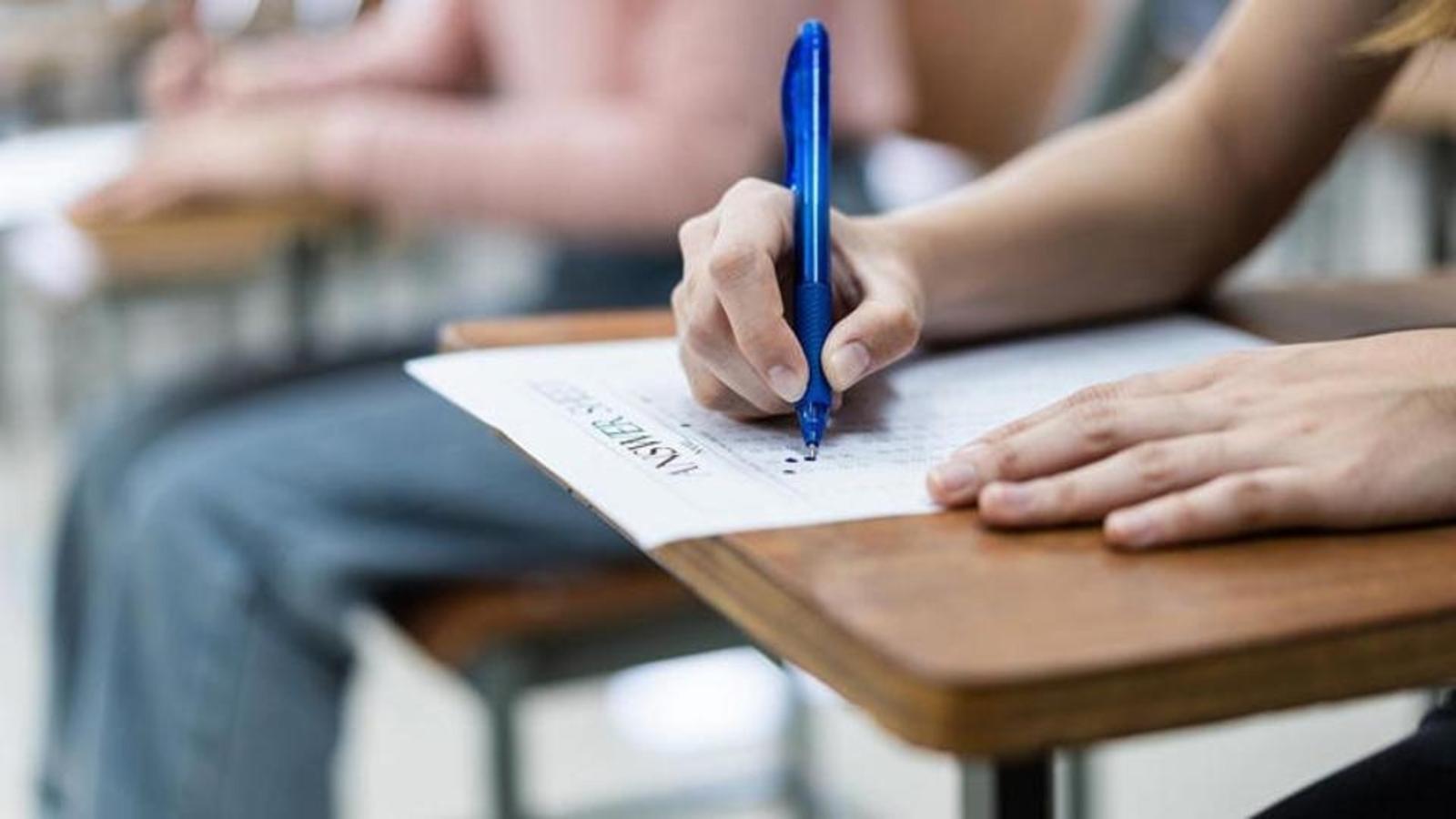
Private schools in Dubai will operate on a shortened school day during Ramadan, with lessons capped at a maximum of five hours, under new guidance issued by the Knowledge and Human Development Authority (KHDA).

The authority said the adjusted schedule is designed to respect the spirit of the holy month while ensuring continuity in learning and reducing pressure on both students and teachers.

Fasting students excused from PE classes

As part of the guidance, KHDA said fasting students should be excused from physical education classes throughout Ramadan, citing health and safety considerations.

Schools are expected to provide suitable alternative learning activities for students who are exempted from PE lessons during this period.

Earlier finish on Fridays

KHDA also confirmed that on Fridays, private schools must end the school day no later than 11.30am, allowing students and staff sufficient time to attend Friday prayers.

Parents’ input encouraged

In a move aimed at strengthening collaboration between schools and families, KHDA urged private schools to consider parents’ views when setting daily start and finish times during Ramadan. The authority said this approach supports flexible learning arrangements and helps families better manage daily routines during the holy month.

Supporting a balanced school environment

KHDA said the measures are intended to create a supportive and inclusive educational environment that reflects the social, health and religious values observed in the UAE during Ramadan.


With over 35 years of experience in journalism, copywriting, and PR, Michael Gomes is a seasoned media professional deeply rooted in the UAE’s print and digital landscape.

Continue Reading
Advertisement
Click to comment

Leave a Reply

Your email address will not be published. Required fields are marked *

Education

UAE public school registration for 2026–27 opens today: Dates, age rules and how to apply

Published

on

Spread the love

If your child is starting school next year or moving to a public school, this is an important update for parents across the UAE.

The Ministry of Education (MOE) has announced that public school registration for the 2026–2027 academic year opens on Monday, February 9, 2026, and will close on March 6, 2026. The ministry confirmed that registration will be available only, urging parents to apply early.

Why parents are being urged to register early

According to the Ministry of Education, early registration helps schools prepare for the new academic year by:

  • Assigning students to schools based on catchment areas
  • Planning teacher numbers and classroom capacity
  • Securing textbooks and learning resources
  • Arranging school bus transport ahead of time

Parents who plan to use school transport are advised to select this option during registration to ensure availability from the first day of school.

Who can apply?

Registration is open for students from Kindergarten to Grade 12, including:

  • Children entering public schools for the first time
  • Students transferring from private schools
  • Students arriving from schools outside the UAE
  • Students transferring between public schools

Applications can be submitted via the MOE official website or the UAE Ministry of Education smart application.

Age eligibility for the 2026–27 school year

The ministry confirmed the following age requirements:

  • KG1: Children born in 2022, who turn four by December 31, 2026
  • KG2: Children born in 2021, who turn five by December 31, 2026
  • Grade 1: Children born in 2020, who turn six by December 31, 2026

Children born between September 1 and December 31, 2021, who were not eligible to register in the previous academic year, may be enrolled in either KG1 or KG2, depending on parental preference.

What parents should check before applying

To avoid delays, the Ministry of Education advises parents to:

  • Ensure Emirates ID and digital identity details are up to date
  • Review the official registration guide on the MOE website
  • Check admission requirements for students with disabilities
  • Review available education pathways, including general and advanced streams

Early registration helps ensure a smoother start to the school year for students, parents and schools.

Continue Reading

Education

No medicines in school bags: UAE schools tighten health and safety rules

Published

on

Spread the love

If you’re a parent in the UAE, here’s an important update to keep on your radar.

Schools across the country are tightening controls around student health and safety, urging parents not to send any medication with their children during the school day, unless it’s necessary and officially approved.

The move applies to government and private schools following a Ministry of Education curriculum, and the message is clear: Unsupervised medication at school can be risky.

In notices sent out to parents, school administrations explained that allowing students to carry medicines could lead to serious health risks. These include incorrect dosages, improper use, or even students sharing medication with classmates. Schools are keen to avoid situations that could quickly turn into medical emergencies.

Exceptions With Rules

The ban isn’t a blanket one. Students with chronic conditions or specific medical needs are still allowed access to medication, but only under strict guidelines.

Parents must provide:

  • An official medical prescription from the treating doctor
  • Clear details, including the student’s name, medication type, dosage, and timing

Once approved, medications are:

  • Stored securely
  • Administered only by school management or qualified health staff

This ensures students receive their treatment safely and at the right time.

School administrators say the policy is part of a broader health and safety framework aimed at preventing emergencies and promoting awareness on campus.

Parents are being urged to fully cooperate with the new guidelines, highlighting the importance of strong school–family partnerships when it comes to student health.

Continue Reading

Education

Dubai parents warned about dangerous social media challenges in schools

Published

on

Spread the love

Parents of children enrolled in Dubai private schools are being urged to stay alert after education and health authorities raised concerns about dangerous social media trends circulating among students.

The Knowledge and Human Development Authority (KHDA), alongside the Dubai Health Authority (DHA), has issued an advisory warning parents about risky behaviours reported in some schools. These include choking, breath-holding, applying pressure to the neck or head, and participation in viral challenges.

One of the most concerning trends highlighted is the “Skull Breaker Challenge”, where two people deliberately kick the legs from under a third person, causing them to fall, often backwards, risking serious head or spinal injuries. The challenge previously gained attention on social media in 2020 and had prompted warnings from Dubai Police at the time.

KHDA stressed that while children may see these actions as jokes or harmless fun, they carry serious and immediate health risks. Students found participating in, encouraging, or recording such behaviour will face disciplinary action under their school’s behaviour policy. In more serious cases, matters may be referred to external authorities.

What parents should watch out for

Parents are encouraged to remain vigilant and look out for both physical and behavioural warning signs, including:

  • Marks, redness, or bruising around the neck
  • Headaches, dizziness, fainting, or bloodshot eyes
  • Sudden secrecy around online activity
  • Talking about viral challenges or risky games
  • Unexplained mood or behaviour changes
  • Wearing clothing that hides the neck area

Any concerns should prompt an immediate conversation with the child and contact with the school if worries persist.

Why are these activities dangerous

According to DHA, restricting breathing or blood flow to the brain can be fatal:

  • Brain damage can occur within seconds without oxygen
  • Irreversible damage may happen in under a minute
  • Oxygen deprivation can trigger seizures and heart rhythm disturbances
  • Pressure on the neck can damage airways and blood vessels
  • Multiple countries have reported deaths among children aged 7 to 17
  • There is no safe way to take part in these activities

What parents can do

KHDA is urging parents to:

  • Speak openly with children about the dangers of these behaviours
  • Reinforce that they are not games and can be life-threatening
  • Monitor online activity and be aware of peer influence
  • Contact the school or seek medical advice if they have immediate concerns

While schools are addressing the issue directly with students, KHDA emphasised that parent involvement is critical to reinforcing safety messages beyond the classroom.


Continue Reading

Popular

© Copyright 2025 HEADLINE. All rights reserved

https://headline.ae/