Dubai is set to transform Umm Suqeim Beach into a world-class waterfront destination after Sheikh Hamdan bin Mohammed bin Rashid Al Maktoum, Crown Prince of Dubai and Chairman of The Executive Council of Dubai, approved a Dh500 million master plan for its redevelopment.
The project, led by Dubai Municipality, is one of the emirate’s flagship beach development initiatives and aims to blend global design excellence with a distinctive Emirati identity, reinforcing Dubai’s position as a leading international tourism destination.
A future-ready beach destination
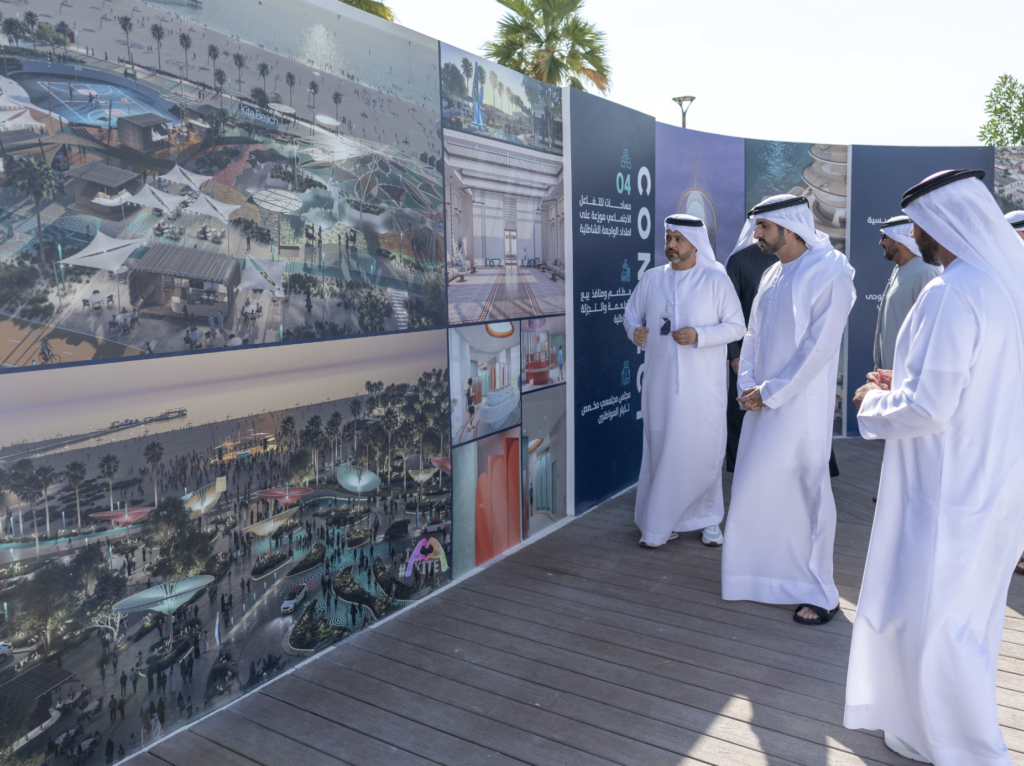
Spanning 3.1 kilometres and covering 445,000 square metres, the redevelopment will increase the beach area and developable spaces by 30 per cent. Smart lighting will illuminate 130,000 square metres of beachfront, enabling night swimming and extended evening activities.
Aligned with Dubai’s long-term vision
Sheikh Hamdan said the project reflects Dubai’s commitment to enhancing public spaces through innovative design, advanced urban planning and sustainable infrastructure, while prioritising quality of life for residents and visitors.
The Umm Suqeim Beach master plan supports the Dubai Quality of Life Strategy 2033 and the Dubai 2040 Urban Master Plan, focusing on sustainable waterfront development, healthy lifestyles and community wellbeing.
Extensive social, environmental and traffic studies were conducted, alongside community engagement, to ensure the project balances tourism growth with environmental protection and residential privacy.
Key features of the Umm Suqeim Beach redevelopment
Capacity to welcome up to 6 million visitors annually
200% increase in parking, reaching approximately 2,400 spaces
Six architecturally distinctive gateways reflecting local heritage
Ten mobility hubs and 11 taxi pick-up and drop-off points
Integrated cycling and e-scooter facilities
A 38-metre observation tower inspired by Dubai’s maritime history
Upgraded road access from Jumeirah Street with improved traffic flow
Sustainability and climate resilience
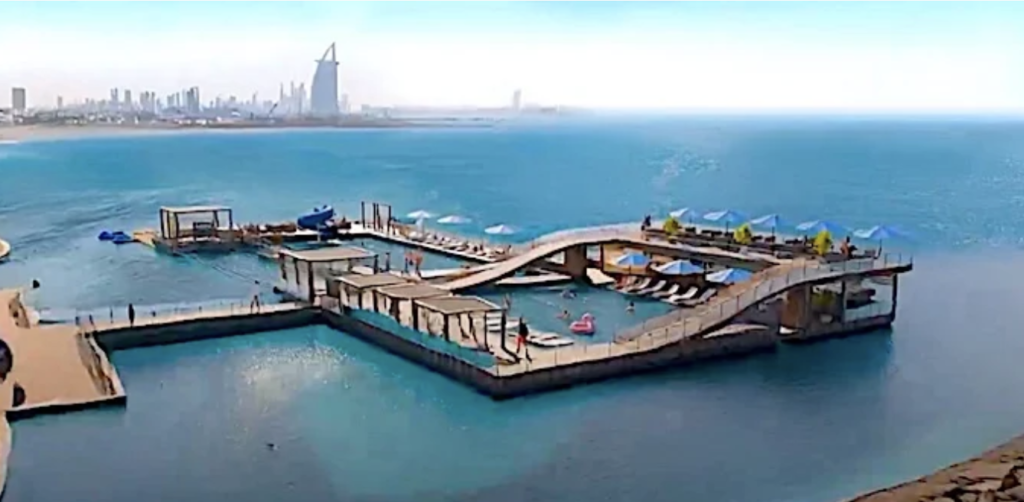
The project places strong emphasis on sustainability, including climate change adaptation measures such as a two-kilometre retaining wall, elevated beach levels, and an AI-powered smart facilities management system to enhance operational efficiency.
Boosting tourism and private sector participation
Dubai Municipality will actively engage private sector partners and investors, strengthening public-private partnerships and further supporting Dubai’s tourism economy.
Once completed, the redeveloped Umm Suqeim Beach is expected to become a globally recognised urban landmark, offering a destination that combines leisure, sport, culture and sustainability.
With over 35 years of experience in journalism, copywriting, and PR, Michael Gomes is a seasoned media professional deeply rooted in the UAE’s print and digital landscape.
Abu Dhabi authorities have closed 69 food establishments since last year after inspectors uncovered serious food safety violations, including pest infestations, expired products and poor hygiene standards.
The Abu Dhabi Agriculture and Food Safety Authority (ADAFSA) said 55 businesses were shut down in 2025, while another 14 have been closed so far in 2026 after repeatedly failing to comply with food safety requirements.
Why were they closed?
Officials said the most common violations included:
Selling expired food products
Insects and pests in food preparation areas
Poor hygiene practices
Improper storage of perishable food
Failure to meet mandatory food safety requirements
Authorities stressed that closure is only used as a last resort after businesses fail to respond to warnings and corrective notices. The crackdown comes as consumers continue to report food safety concerns across the emirate.
What happens next?
Closed establishments are only allowed to reopen once inspectors confirm all violations have been addressed and food safety standards are fully met.
The authority said regular inspections and surprise visits will continue across restaurants, cafeterias, supermarkets and food outlets to help protect public health.
Officials also encouraged residents to report suspected violations and check food safety ratings displayed under the emirate’s Zadna Assessment programme before dining or shopping.
The UAE’s Ministry of Health and Prevention (MoHAP) has issued updated travel guidance for residents amid ongoing international monitoring of an Ebola outbreak, while reaffirming that no confirmed cases have been recorded in the country.
The ministry said the UAE’s public health situation remains stable and that authorities continue to maintain high levels of preparedness through enhanced surveillance, risk assessment and preventive measures.
What travellers need to know
MoHAP is urging residents travelling abroad to check the latest travel advisories before departure, follow health guidelines in their destination country and maintain good personal hygiene throughout their journey.
Travellers have also been advised to avoid contact with anyone showing symptoms of illness and to seek medical attention immediately if they develop symptoms after travel, while informing healthcare providers about their recent travel history.
The guidance comes after the Ministry of Foreign Affairs advised against non-essential travel to the Democratic Republic of the Congo, Uganda and South Sudan.
Ebola symptoms to watch for
According to the ministry, Ebola symptoms can appear between two and 21 days after exposure and may initially include:
Fever
Fatigue
Headache
Muscle pain
Weakness
Vomiting
Diarrhoea
Sore throat
Abdominal pain
In severe cases, the disease can lead to bleeding, organ failure and shock.
No vaccine for current strain
Health authorities noted that there is currently no licensed vaccine specifically approved for the Bundibugyo strain of Ebola linked to the current outbreak.
The outbreak is primarily concentrated in parts of Uganda and the Democratic Republic of the Congo.
How Ebola spreads
MoHAP stressed that Ebola spreads through direct contact with the blood or bodily fluids of an infected person, contaminated surfaces, infected animals or contaminated animal products.
The ministry also clarified that Ebola is not an airborne disease and does not spread like Covid-19 or influenza. Individuals are generally not contagious before symptoms develop.
UAE ready for emergencies
Reassuring residents, the ministry said the UAE continues to work closely with national and international health partners to monitor developments and implement precautionary measures aimed at protecting public health.
Officials reiterated that no Ebola cases have been detected in the UAE and encouraged residents to rely on official sources for health updates and travel advice.
Set against the backdrop of Khorfakkan’s mountains and coastline, His Highness Sheikh Dr Sultan bin Mohammed Al Qasimi, Supreme Council Member and Ruler of Sharjah, on Thursday inaugurated the new Khorfakkan Resort, a Dh700 million waterfront development designed to elevate tourism and lifestyle living on Sharjah’s east coast.
Stretching along Khorfakkan beach, the resort brings together 573 residential units, from one-bedroom apartments to spacious four-bedroom homes, many overlooking sweeping views of the sea, mountains, beach and city skyline.
Developed by Asas Real Estate, the project spans 330,000 square feet, with a built-up area reaching 1.4 million square feet, adding another landmark destination to the emirate’s growing hospitality and tourism portfolio.
What the resort features:
16 retail outlets
A private beach
Outdoor swimming pools
Elevated green spaces covering 100,000 square feet
Gym and sports facilities
Integrated hotel-style services
The luxury property is located close to Khorfakkan Amphitheatre and the city’s waterfall attraction, adding to its appeal for residents and visitors.
Officials said the project is expected to support Khorfakkan’s growing tourism sector while creating new investment opportunities through freehold ownership options.