Connect with us

Announcements

We’re on par with ICC elite panel standards: Simon Taufel on DP World ILT20 officiating excellence

Published

on

Spread the love

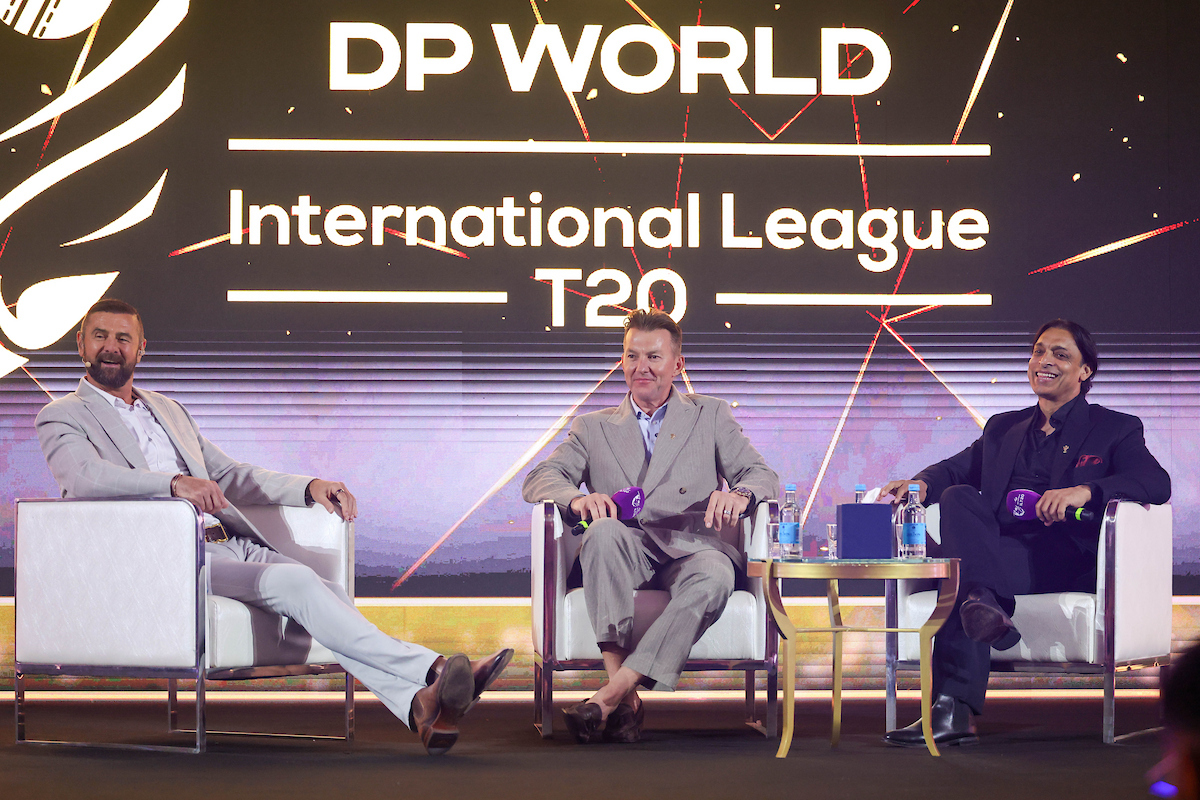
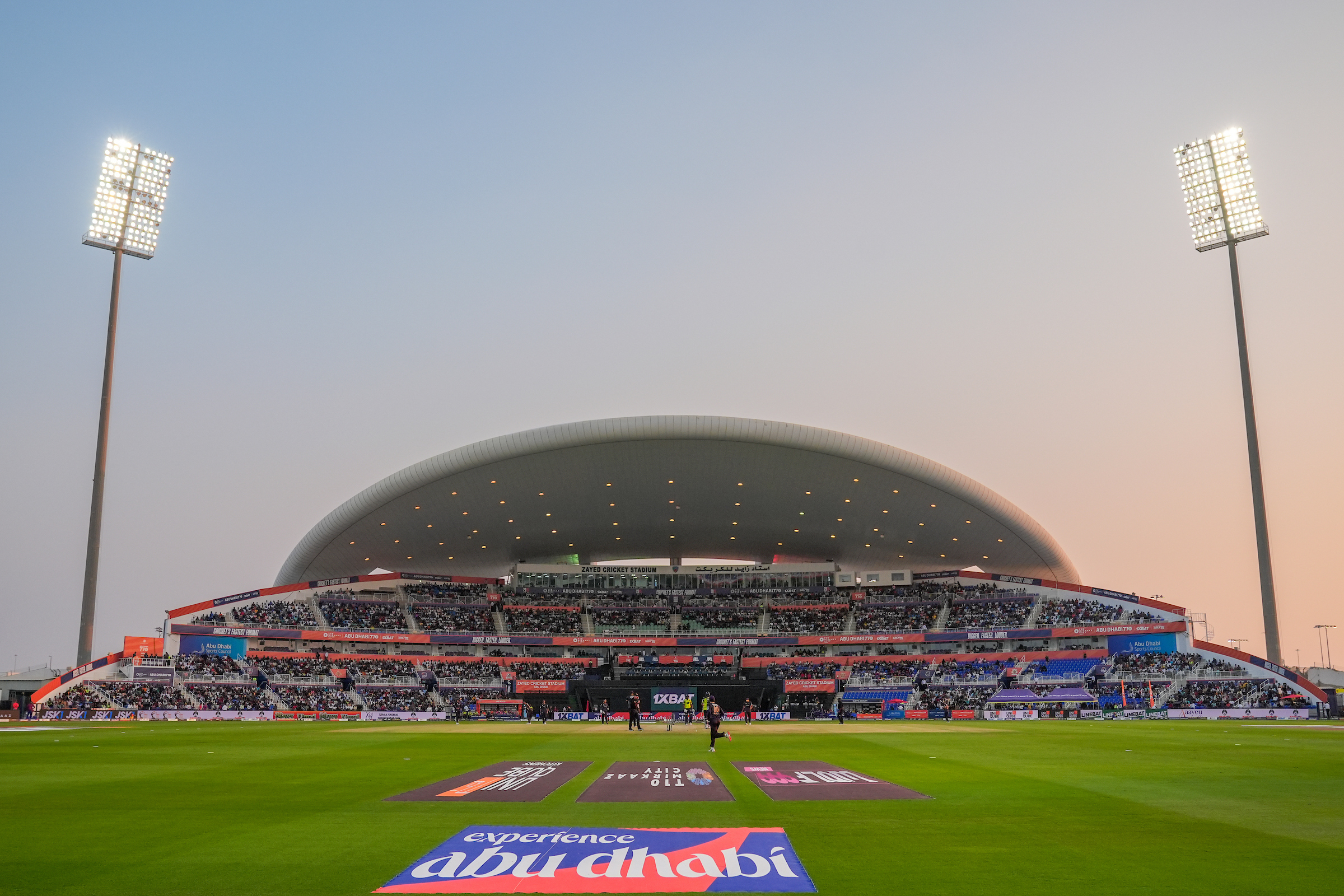
The DP World ILT20 continues to grow as the region’s premier tournament, not just for players but also for match officials. With the competition bringing together top-tier talent from around the world, ensuring high-quality officiating is just as crucial as the performances on the field. Australian umpire Simon Taufel, a five-time ICC Umpire of the Year, led the DP World ILT20 Season 3 match officials panel. Taufel has been instrumental in mentoring and guiding the officiating team with an aim of raising the standard of umpiring within the tournament.

Highlighting the significance of the DP World ILT20 and his role within, Taufel said, “This tournament is about growing cricket in the United Arab Emirates, and officiating is part of that objective. My role is to support the umpires, referees, and the officiating landscape here by helping create a pathway for their development and giving them access to international standards, just like the players.”

Officiating Standards at DP World ILT20

Ensuring high-quality officiating requires constant evaluation and benchmarking against global standards. Taufel provided insight into how the umpires have performed in the tournament, revealing impressive accuracy rates. “On average in this tournament, umpires have gotten 92% of their decisions right. Players only get their reviews right 22% of the time, while umpires make the correct initial decision 92% of the time. If you asked coaches and players whether they’d be happy with 9 out of 10 correct decisions, most would say yes. The ICC elite panel average is around 92-93%, which shows we are on par with that standard”, he concluded.

The Passion of UAE Officials

Match officials from the UAE, including the likes of Shiju Mannil, Akbar Khan, and Asif Iqbal played a crucial role in the tournament. Taufel was particularly impressed by their eagerness to develop their skills and adapt to the high standards of international officiating.

He said, “The passion of the officials here is like that across the subcontinent—they are incredibly enthusiastic and eager to learn. They aspire to officiate on television at the international level, and they are extremely coachable. One of our key efforts this year is to provide them with more resources to support their development. It requires significant investment and effort, particularly in performance management.”

Building on this, he explained the structured approach taken to ensure the progress and assessment of umpires, “We provide all our match officials with match-day reports for every game. I did 17 matches, and Roshan Mahanama also did 17. After each match, we compiled reports on the two on-field umpires and the third umpire—that’s a substantial amount of feedback and information.”

He further added, “We also created a development structure around the pre-tournament phase. We have a preparation day with the officials, covering playing regulations, interpretations, culture development, teamwork, and support on and off the field. It’s a lot of work, and most people don’t see that. But it’s what you do when no one is watching that makes you successful.”

The Role of Specialist TV Umpires and DRS

The DP World ILT20 has embraced the Decision Review System (DRS) to assist in ensuring accurate decision-making. For the second consecutive season, specialist TV umpires, including Paul Wilson and Leslie Reifer, were assigned to process reviews efficiently. Speaking on the significance of this role and the pressures that it brings on on-field umpires as well, Taufel remarked, “I think we all enjoy the theatre and drama of seeing a decision reviewed on the big screen. One of the key aspects we’ve introduced in this competition is specialist TV umpires who can process DRS reviews quickly and efficiently. For an umpire, having a decision dissected in front of thousands at the venue and millions watching at home can be an embarrassing experience. They have to process that instant feedback and refocus immediately, which requires immense mental strength. In fact, most of our game is mental, 99% of it.”

As a trainee reporter and creative lead, I focus on curating engaging content and managing the social media presence for the company. I aim to connect audiences with relevant, impactful news through multiple digital platforms.

Announcements

Dubai unveils mega Dubai Food District, set to become one of the world’s largest food trade hubs

Published

on

Spread the love

DP World has officially unveiled Dubai Food District, a bold transformation of the Al Aweer Central Fruit and Vegetable Market into one of the largest and most advanced food trade hubs in the world.

Rolling out in phases from 2027, the mega district will more than double the current market’s footprint to 29 million sq ft, bringing trade, storage, processing and distribution together under one roof. Think cold-chain logistics, smart warehousing, food processing, digital solutions, cash-and-carry zones and even a gourmet food hall.

Announced last year by His Highness Sheikh Mohammed bin Rashid, Vice President and Prime Minister of the UAE and Ruler of Dubai, the project expands beyond fruits and vegetables to include dairy, staples, gourmet and specialty foods, positioning Dubai as a global gateway for food trade and food security.

Built on Al Aweer’s strong legacy, serving over 2,500 traders since 2004, the district aims to boost efficiency, cut supply chain risks and help food businesses reach markets faster and smarter. With multimodal connectivity to more than 20 global markets, DP World is betting big on Dubai’s role at the heart of the future food economy.

Continue Reading

Announcements

Indian real estate group BCD Global enters Middle East, sets up Dubai headquarters

Published

on

Spread the love

BCD Global, the international expansion platform of Indian-founded real estate developer BCD Group, has entered the Middle East, naming Dubai as its regional headquarters as it pursues its next phase of global growth.

The move marks the first Middle East expansion for the 70-year-old group, which has delivered more than 155 million square feet of real estate across over 300 residential, mixed-use and large-scale developments in seven countries.

BCD Global said it chose Dubai due to the emirate’s economic stability, access to global capital, regulatory clarity and long-term urban planning framework.

“Dubai represents the convergence of global capital, governance and long-term urban vision,” Amit Puri, CEO of BCD Global, said in a statement.

Founded in India in 1952, BCD Group has developed projects across infrastructure-led asset classes, including healthcare, senior living, hospitality, co-living and urban infrastructure. BCD Global will spearhead the group’s international expansion from the UAE, with a focus on institutional governance and long-term asset creation.

The expansion follows a strategic restructuring under chairman Angad Singh Bedi, who has overseen the group’s transition to a zero-debt, vertically integrated operating model.

“The Middle East is one of the defining growth corridors of the next decade, and Dubai stands at its centre,” Bedi said, adding that the group’s entry into the region was intended as a long-term expansion rather than a short-term market play.

BCD Global’s entry comes as the UAE’s real estate sector continues to benefit from population growth, infrastructure investment and sustained inflows of international capital. The UAE’s population is projected to reach around 11 million by 2030, supporting demand for large-scale, institutional-quality developments.

From Dubai, BCD Global will oversee its Middle East and Africa operations, with the wider Gulf region, including Saudi Arabia, identified as a key growth market over time.

Continue Reading

Announcements

UAE to crack down on businesses not complying with electronic invoicing rules

Published

on

Spread the love

The UAE Ministry of Finance has introduced a Cabinet Resolution imposing administrative fines on businesses that fail to comply with the country’s Electronic Invoicing System (EIS), reinforcing the nation’s drive for digital transformation and stronger tax compliance.

The rules apply to all entities required to adopt EIS under Ministerial Decision No. (243) of 2025. Companies using the system voluntarily are exempt from penalties until compliance becomes mandatory.

Fines include:

  • Dh5,000 per month for failing to implement EIS or appoint an approved service provider on time.
  • Dh100 per electronic invoice not issued or sent on time, capped at Dh5,000 per month.
  • Dh100 per electronic credit note not issued or sent on time, capped at Dh5,000 per month.
  • Dh1,000 per day for not notifying the Federal Tax Authority of system malfunctions.
  • Dh1,000 per day for delays in updating approved service providers on registered data changes.

Officials stressed that the resolution underlines the UAE government’s commitment to international best practices and the development of a fully integrated digital economy.

Continue Reading

Popular

© Copyright 2025 HEADLINE. All rights reserved

https://headline.ae/