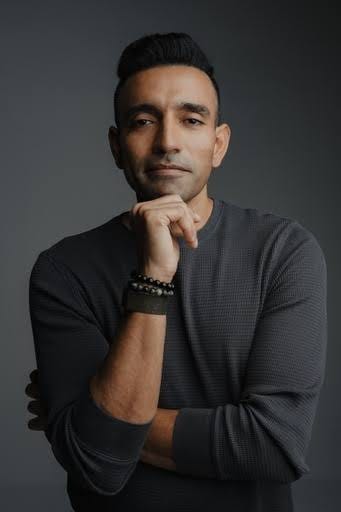
Former India international and World Cup winner Robin Uthappa has been appointed Team Director of Yas Lions, the newest franchise to join the Abu Dhabi T10, as the Jeetu Kataria-owned team prepares for its debut in the tournament.
Uthappa will oversee the franchise’s cricketing strategy, player development, recruitment and squad culture, working alongside the coaching staff as Yas Lions build their identity ahead of the new Abu Dhabi T10 season.
The franchise has also confirmed West Indies all-rounder Jason Holder as its Icon player, while Andries Gous and David Willey have been unveiled as its Platinum signings.
Yas Lions will make their Abu Dhabi T10 debut at Zayed Cricket Stadium from November 7 to 20, joining an expanding 2026 line-up that includes Arabian Aces, Emirates Eagles, UAE Bulls, United Tigers and Royal Desert Champions.
Uthappa, who was part of India’s 2007 ICC Men’s T20 World Cup-winning squad, brings extensive experience from international and franchise cricket to his new leadership role. Since ending his playing career in 2022, he has developed a second career spanning entrepreneurship, broadcasting and high-performance coaching.
As Team Director, Uthappa will work closely with the franchise’s management and coaching team on player recruitment, mentoring and building the culture of the new side.
The former India international has long advocated for cricket to reach new audiences and sees the fast-paced T10 format as an opportunity to introduce the sport to a wider global fan base.
Robin Uthappa, Team Director of Yas Lions, said:“There is a lot to like about starting a franchise from scratch, because you get to build its identity around clarity, process and performance from the very first conversation. T10 cricket rewards players who can function under pressure rather than avoid it, and that is exactly the mindset we want running through this squad.
“Our Direct Signings include match winners with plenty of experience, class and versatility. I have long believed T10 can be a gateway for new fans into the sport. I am looking forward to working with this group and building something we can be proud of — a team that competes hard and helps grow the game.”
Jason Holder leads Yas Lions’ playing core
Former West Indies captain and T20 World Cup winner Jason Holder has been signed as the Yas Lions’ Icon player.
An experienced international all-rounder, Holder brings a combination of power hitting and seam bowling to the side. Renowned for his lower-middle-order batting and ability to generate bounce with his bowling, he will be one of the key figures in Yas Lions’ first Abu Dhabi T10 campaign.
The franchise has also secured two Platinum signings in Andries Gous and David Willey.
Gous, a wicketkeeper-batsman, has scored centuries across all three formats and boasts an average of almost 40. The aggressive right-hander is known for his boundary-hitting approach and adds further firepower to the Yas Lions batting line-up, alongside his skills behind the stumps.
Willey, the former England international, brings experience from the highest level of white-ball cricket. The left-arm bowler and batsman was part of England’s squad that won the 2022 T20 World Cup, adding further international pedigree to the new franchise.
Building a franchise for the long term
Yas Lions is owned by entrepreneur and investor Jeetu Kataria, who brings almost two decades of experience across institutional capital markets, investment banking, asset management and financial technology.
Kataria’s vision is to build more than a cricket team, with the franchise aiming to establish a strong identity based on governance, player development, performance and long-term partnerships.
Jeetu Kataria, Owner of Yas Lions, said:
“Building Yas Lions is about applying the core principles I stand by — meticulous planning and a long-term vision. The Abu Dhabi T10 gives us an outstanding platform to build a franchise with a real identity, one grounded in process, governance and respect for players and partners.
“Having Robin lead our cricketing operation gives us a rare combination of championship experience and modern high-performance thinking. Together with Jason, Andries and David, we have the foundations of a squad built to compete from the first season itself.
“Our ambition is clear: build a contender, build a brand, and help take cricket to new audiences around the world.”
Matt Boucher, CEO of the Abu Dhabi T10 and Abu Dhabi Cricket and Sports Hub (ADCSH), said the arrival of Yas Lions adds further momentum to the tournament’s international ambitions.
Matt Boucher said:
“Welcoming Yas Lions is another important step in our ambition to build the Abu Dhabi T10 into a truly global sporting property. With strong international investment, experienced leadership and world-class playing talent, franchises such as Yas Lions are integral to our strategy of expanding the tournament’s international reach, attracting new audiences and creating long-term value for the sport.
“Our vision extends well beyond the tournament itself. We want to establish Abu Dhabi as a leading international destination for cricket and major sporting events, bringing together global talent, commercial partnerships and passionate fans. Yas Lions share that ambition, and their arrival adds further momentum to an exciting new era for Abu Dhabi T10.”
Further squad announcements are expected ahead of the Official Player Draft in Abu Dhabi on September 30, as Yas Lions continue to build their squad for their inaugural Abu Dhabi T10 campaign.
Over the next three to five years, the franchise aims to establish itself as a consistent contender while developing into a recognisable global T10 brand, with a focus on talent development, fan engagement, sustainable partnerships and connecting with cricket communities across the UAE and wider diaspora.