
Entertainment
A swift history of the concert film, from The Last Waltz to the Eras Tour


[ad_1]
I felt I was missing something when I went on a Sunday night in late October to see Taylor Swift: The Eras Tour at my local independent cinema. I was: it was the audience.
I can’t remember the last time I sat alone in a cinema, but it was undoubtedly for fare far more obscure than this much-hyped event movie. But as I sat back in my seat and let the experience wash over me, it turned out to be an unexpectedly intimate encounter. Just me and Taylor.
It’s no surprise that the 33 year-old singer-songwriter, at the peak of her powers and cultural influence, should be the centre of attention in this 169-minute film.
The performances are combined from the first three of six shows staged in August at the SoFi Stadium in Inglewood, Los Angeles. They are as seamlessly interwoven cinematically as they are orchestrated musically, in linked chapters featuring songs (and dance routines) from Swift’s ten studio albums to date.
Each section is announced on screen with the album title and defined visually by lavish costume changes and magical set transformations. This show is as much a piece of theatre as it is cinema. But where was the audience in all this?
Those closest to the stage, who flanked the catwalk pier, are submerged in an ocean of iPhone glow. The rest, stretching far away across and up to the stadium’s upper terrace, appear as small starlit circles.
There are occasional cutaways to devoted fans (mostly female, mostly dressed like Taylor Swift) singing along in word-perfect synchronicity. But the most intimate moment of communal theatre comes when a girl of five or six is offered up for a blessing. Swift bends and embraces the child, placing her black hat on her too small head. The crowd is overcome. This is a love-in on a global, stadium scale.
The history of the concert film
The concert film came of age in the 1970s. The format was all about capturing the essence of live performance and the skill and sinew of serious musicianship.
The booming music industry of the 1970s was irresistible to Hollywood’s wavering fortunes. Concert films were a shop window for record sales and often had direct tie-ins to live albums. The concept nature of these films (typically comprising multiple performances, overdubbing in post-production, multi-stereo or “quad” soundtracks and early videotape effects) didn’t dilute the liveness of their central performances.
The performances were generally shot with rudimentary camera set-ups by crews who came from television advertising and the music business rather than the film industry (not least because they were made by record labels rather than film studios). But this contributed to their authentic feel.
The concert film evolves
The concert film also took on another kind of life during the 1970s. It was characterised by the sort of retrospective musical resume that Taylor Swift might recognise. Cream’s farewell concert at the Royal Albert Hall on November 26 1968 had been filmed by Tony Palmer and a BBC crew and was later shown on television.
Then, Martin Scorsese directed The Last Waltz (1978), a feature-length documentary for cinemas marking The Band’s disbanding in 1976. The film broke the established mould by removing all signs of the on screen connection between audience and performers.
Footage of the band performing their San Francisco Thanksgiving Day concert (including on-stage guest appearances from the rock and blues hall of fame) is interspersed with carefully structured interviews with band members. No flies on the wall here. Scorsese has subsequently reprised this retrospective mode with his documentaries on Bob Dylan and the Rolling Stones.
In effectively removing the concert hall audience from the The Last Waltz, Scorsese was crossing a line. The dynamic connection between stage and crowd that provides a key point of identification for the cinema audience is lost.
The originators of the concert film in the 1960s (filmmakers D.A. Pennebaker and the Maysles brothers) were acutely interested in that emotional connection. Pennebaker’s Don’t Look Back (1967) followed Bob Dylan’s 1965 tour of the UK, documenting fans’ reactions as the “folk singer” went electric. He inaugurated the rock festival film with Monterey Pop (1967) capturing now iconic stage performances by Janis Joplin, Otis Redding, Jimi Hendrix and The Who. His concert film of David Bowie’s last performance as Ziggy Stardust was released, belatedly, in 1979.
After their 1964 coverage of The Beatles first American tour (What’s Happening! The Beatles in the USA), the Maysles were lured back to the music scene by the Rolling Stones in 1969 to chart their US tour. This culminated in the fateful Altamont Speedway concert at which an audience member was killed in front of the stage.
Gimme Shelter (1970), co-directed by Charlotte Zwerin, subverts the chronological narrative by filming band members’ reactions as the tensions rise and the gig descends into chaos and violence. Part concert film (featuring performances from Madison Square Garden early on the tour), Gimme Shelter’s musical pretext is taken over by an examination of the factors that led to its ultimate tragedy.
Gimme Shelter and Michael Wadleigh’s subsequent Woodstock (1970) film are works of forensic anthropology. They weren’t made to sell records, but to record a sub-culture in all its doomed glory.
More recent concert films, from Madonna: Truth or Dare (1991) and Kylie’s Showgirl: The Greatest Hits Tour (2005), to Taylor Swift: The Eras Tour and the forthcoming Renaissance: A Film by Beyonce demonstrate a more direct engagement with fans in cinemas by powerful female artists in total control of the medium of film.
These artists are using their films not only to boost recording sales but to promote their future tour dates. Furthermore, these films act as a consolation for those fans worldwide for whom a concert ticket is beyond reach. At Pound 20 it was a pricy movie, but a cheap gig.
In this way, the concert film is enjoying a comeback in the age of event cinema, competing with a strike-beleagured Hollywood in the post-COVID box-office revival. Only not at my local on a Sunday night.
Looking for something good? Cut through the noise with a carefully curated selection of the latest releases, live events and exhibitions, straight to your inbox every fortnight, on Fridays. Sign up here.
Author: Justin Smith – Professor of Cinema and Television History, De Montfort University 
[ad_2]


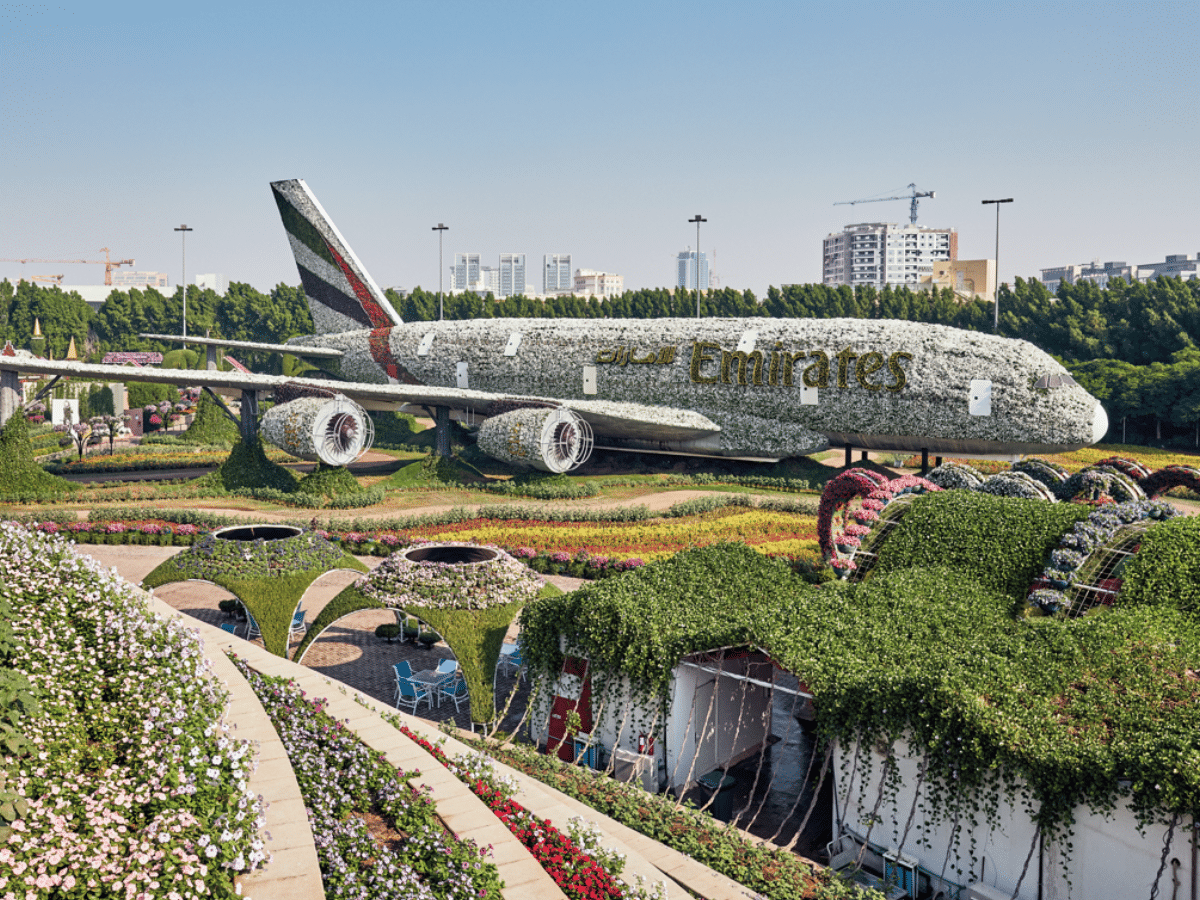

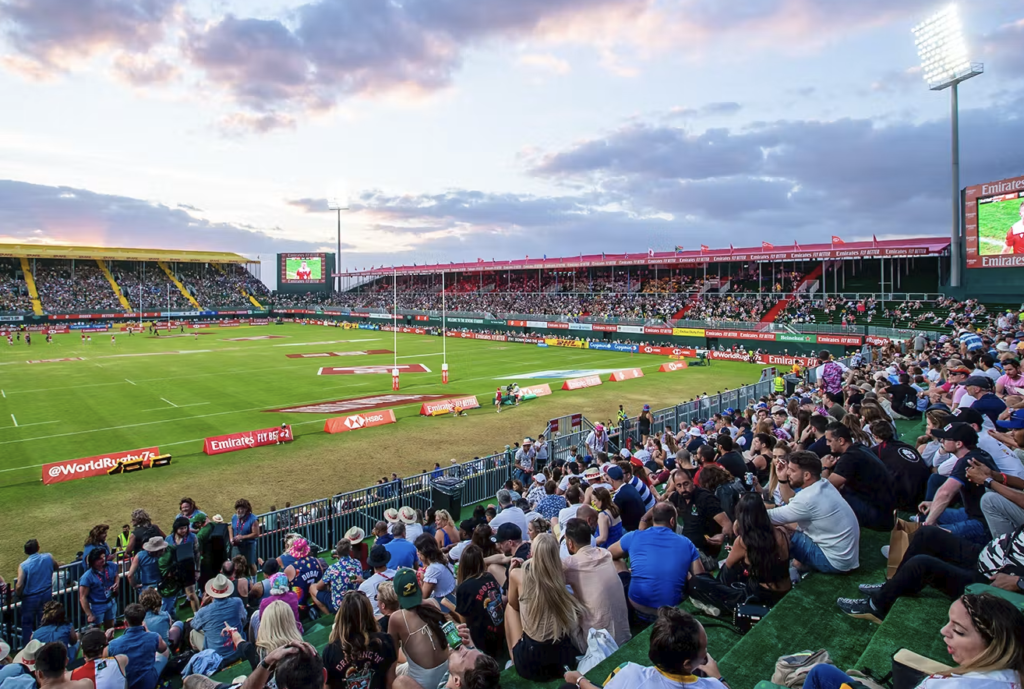
Emirates Dubai 7s is returning to The Sevens Stadium from November 27 to 29, with tickets now on sale for the three-day sports and entertainment festival.
The 2026 edition will bring together international rugby, amateur sports, live music and family entertainment, with organisers promising a bigger programme than previous years.
The festival attracted more than 88,000 visitors in 2025 and will again take place during the final weekend of the Dubai Fitness Challenge.
Ticket prices
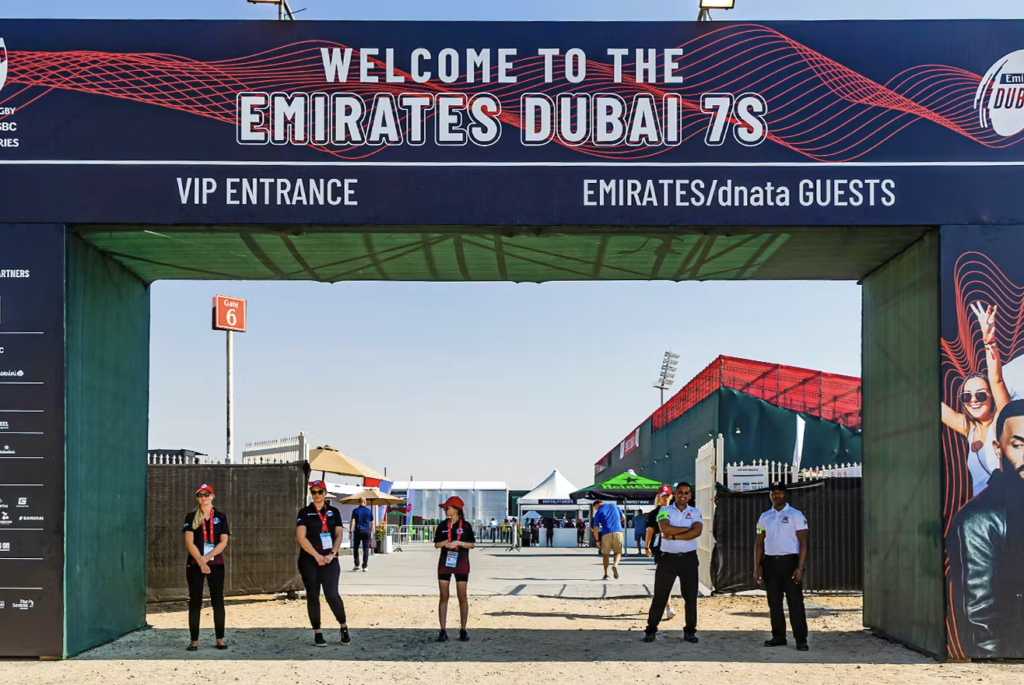
Ticket prices for General Admission and Hospitality have stayed the same for a third consecutive year.
Three-day General Admission tickets cost Dh595 per person, while the three-day Family Pass is Dh1,136 for two adults and two children.
Other ticket options
- Group pass: Dh446 per person for four or more adults
- Saturday or Sunday: Dh455
- Friday: Dh75
- Under 15s: Free
- People of Determination + carer: Dh375
Tickets can be purchased through the Emirates Dubai 7s website and app.
Bigger family attractions

Family entertainment will get a major boost this year as the UAE celebrates the Year of the Family.
The festival will feature its biggest-ever Kids’ Zone, including the UAE’s largest inflatable kids’ zone, along with a Ferris wheel and zipline. More attractions are expected to be announced ahead of the event.
Six sports and top rugby action
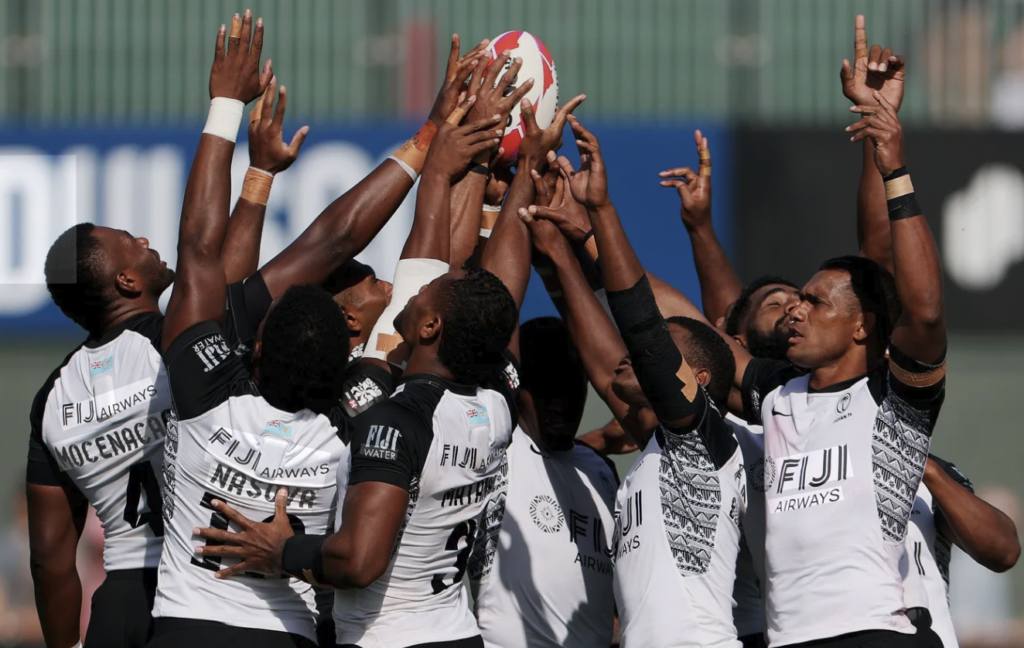
Alongside elite rugby, visitors can watch or take part in competitions across six sports — rugby, netball, cricket, WODON3 fitness, Rebound padel and Gaelic Football.
Gaelic Football will join the festival for the first time in 2026.
The Sevens Stadium will also host the opening round of the HSBC SVNS Series 2027, bringing the world’s leading rugby sevens players to Dubai.
The WODON3 Elite final will take place on Pitch 1 between HSBC SVNS matches, with competitors potentially performing in front of crowds of up to 20,000.
Music all weekend
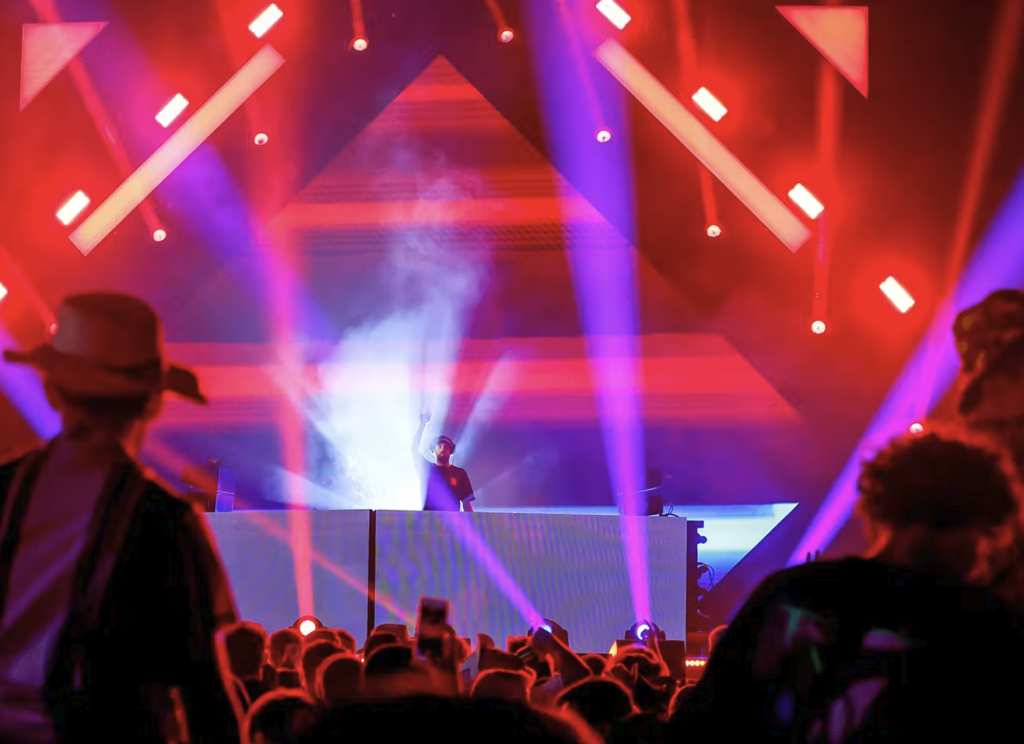
Live entertainment will run throughout the festival, with local and international artists performing across three days.
Last year’s line-up included Tinie Tempah, Sean Paul and Fisher, while the 2026 headline acts will be announced later.
For a premium experience, The Sunroom returns with all-inclusive food and drinks, shaded seating, prime sporting views and dedicated access. Packages start from Dh1,925 per person.
With sport, music and family attractions packed into one weekend, Emirates Dubai 7s is gearing up for another big Dubai event.
Entertainment
Dubai launches ‘Dubai+’ family streaming platform to boost digital media and creative economy



Dubai Miracle Garden returns as UAE’s cooler season begins

Sultan Al Qasimi Attends Opening of 12th Sharjah Calligraphy Biennial


