
Entertainment
The 10 MAIN theaters in Moscow that you should go to


[ad_1]
There are about 250 (!) theaters in the Russian capital. We highlight the best-known ones below.
Bolshoi Theater
ValerijaP/Getty Images
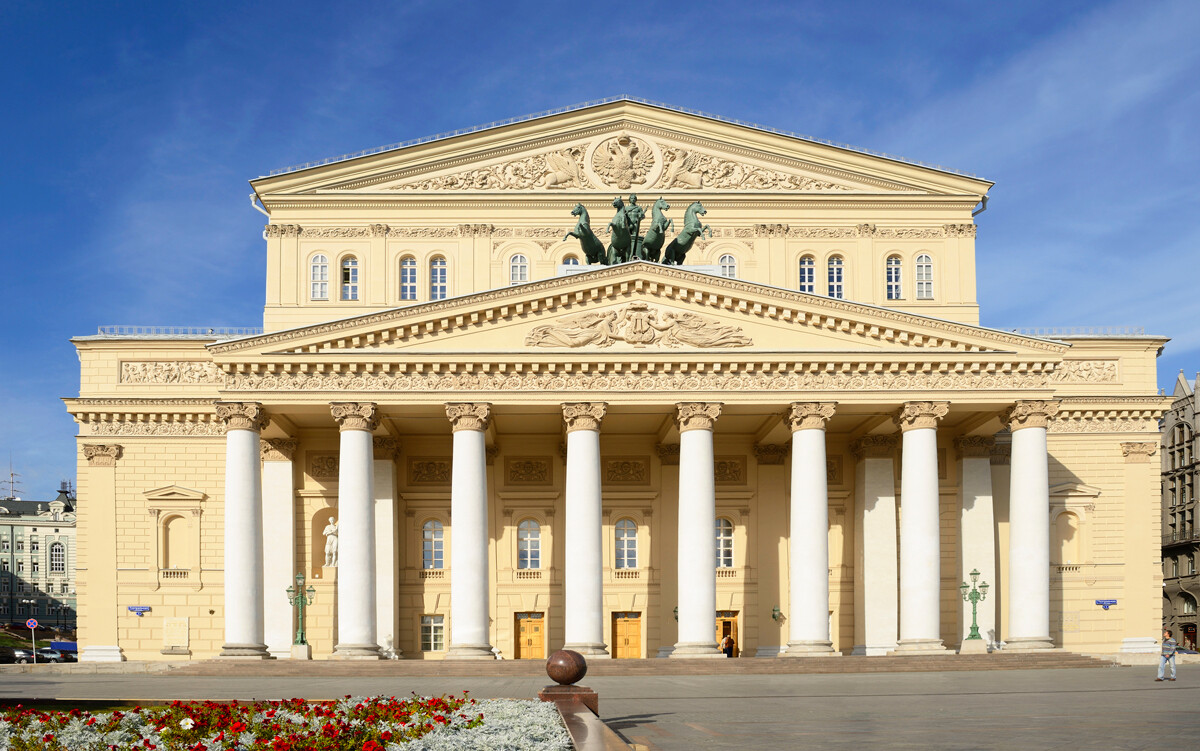
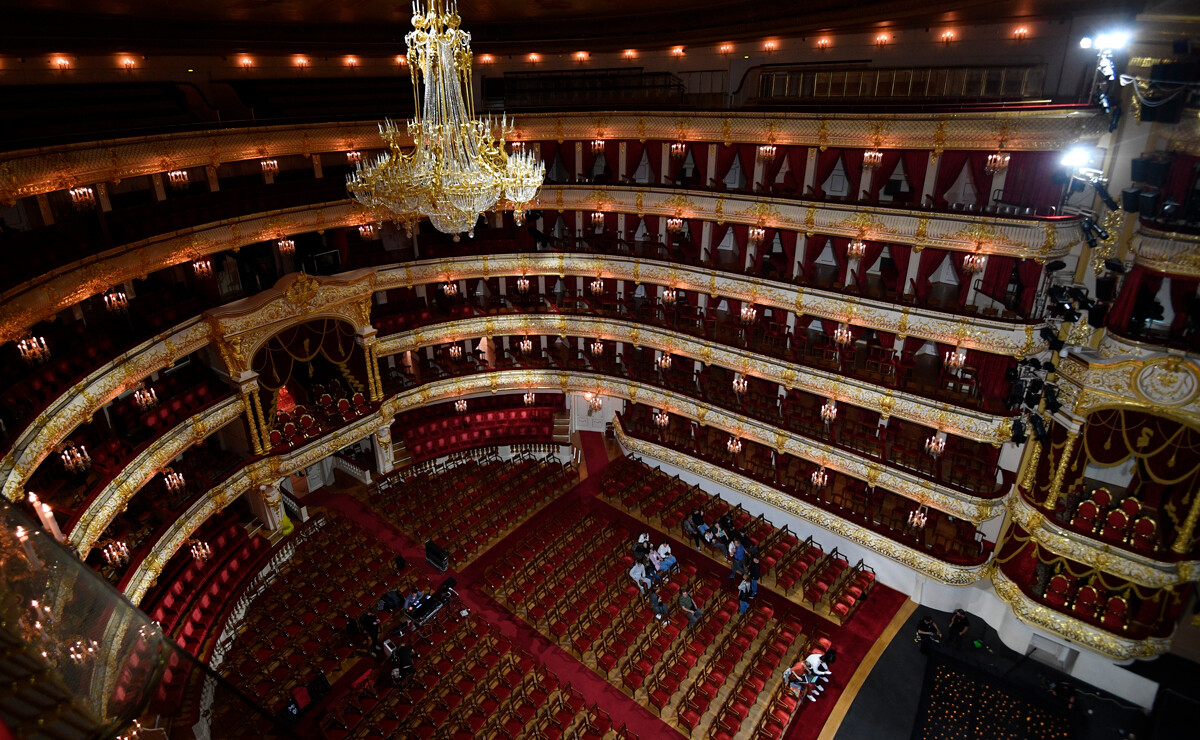
The country’s best-known theater dates back to March 28, 1776, when Catherine the Great appointed Prince Urusov master of theatrical performances in Moscow. Although plays were initially performed on its stage, over time, they gave way to opera and ballet. Legendary choreographer Marius Petipa staged his only Moscow ballet – ‘Don Quixote’ – at the Bolshoi. ‘Swan Lake’ also premiered on the stage of the Bolshoi Theater.
Vladimir Vyatkin /Sputnik
At the beginning of the 20th century, composer Sergei Rachmaninoff was in charge of the Bolshoi Opera, while outstanding artists Konstantin Korovin and Aleksandr Golovin made set designs for its productions. In different periods, singers Feodor Chaliapin, Elena Obraztsova, Galina Vishnevskaya and Zurab Sotkilava sang in the Bolshoi company. Ballet dancers like Olga Lepeshinskaya, Galina Ulanova, Maya Plisetskaya, Vladimir Vasiliev and Ekaterina Maximova also dazzled audiences from its stage.
Today, the Bolshoi Theater repertoire includes classical and contemporary operas and ballets staged by Russian, as well as Western stars.
Maly Theater
Legion Media
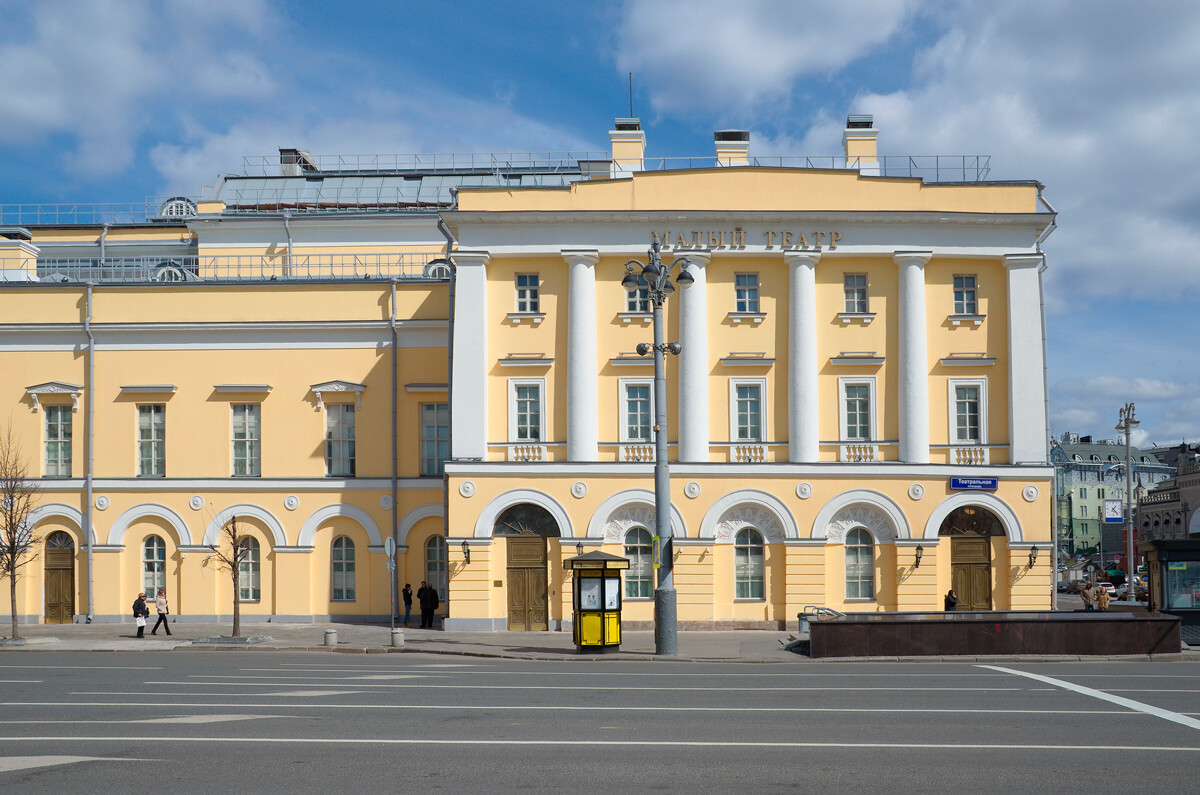
One of the oldest Russian theaters, the Maly Theater (‘Small Theater’) has been in existence since 1756: Students were the first actors at the theater under the auspices of Moscow University. In 1824, the company moved into a building on Petrovskaya (now – Teatralnaya) Square: Because of its small size, the mansion was dubbed the ‘Maly’, compared with the ‘Bolshoi’ (‘large’) next door. During Pushkin’s lifetime, three of his works – ‘The Fountain of Bakhchisarai’, ‘The Gypsies’ and ‘Ruslan and Lyudmila’ – were performed there and Nikolai Gogol himself suggested that ‘The Government Inspector’ should be staged there.
Legion Media
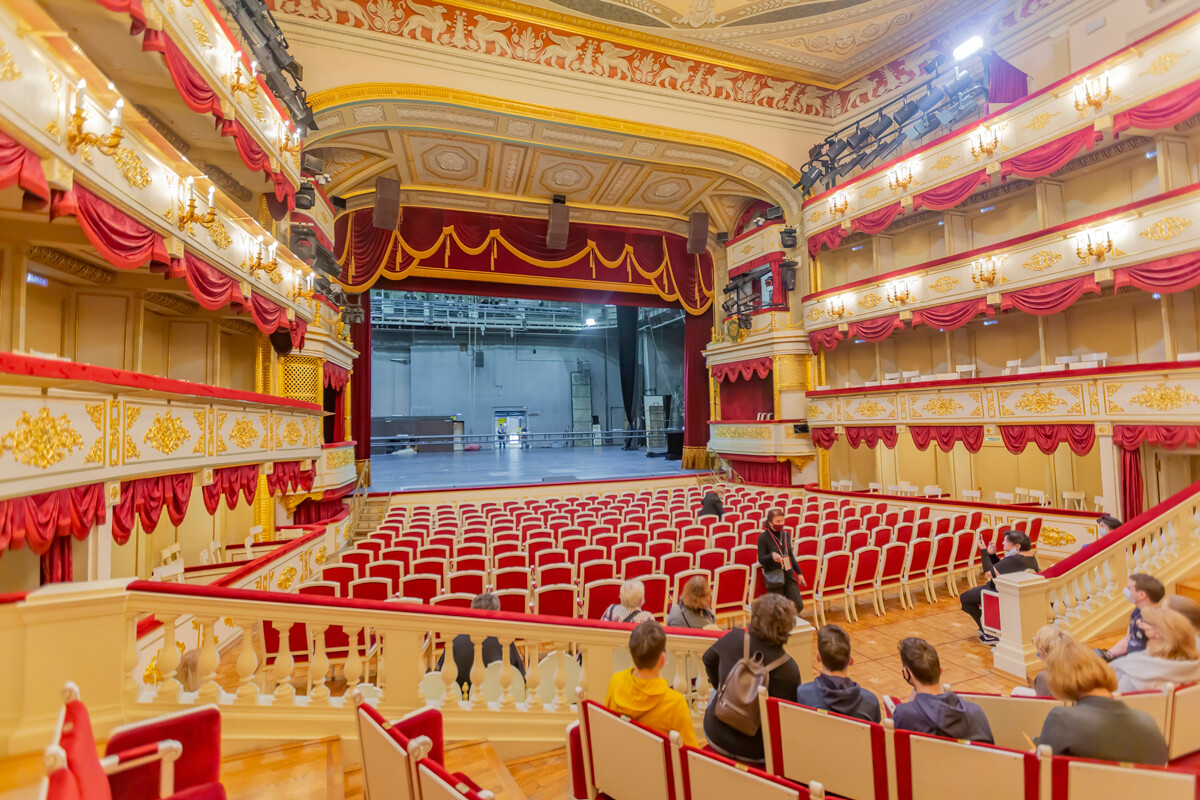
But, it was Alexander Ostrovsky who became the main author associated with the theater: All of his 48 plays were put on at the ‘Maly’, he wrote specially for it and personally read his plays to the troupe. The traditions of classical realist theater are preserved to this day with mostly classic costume dramas being performed.
Chekhov Moscow Art Theater
A.Savin, Wikipedia
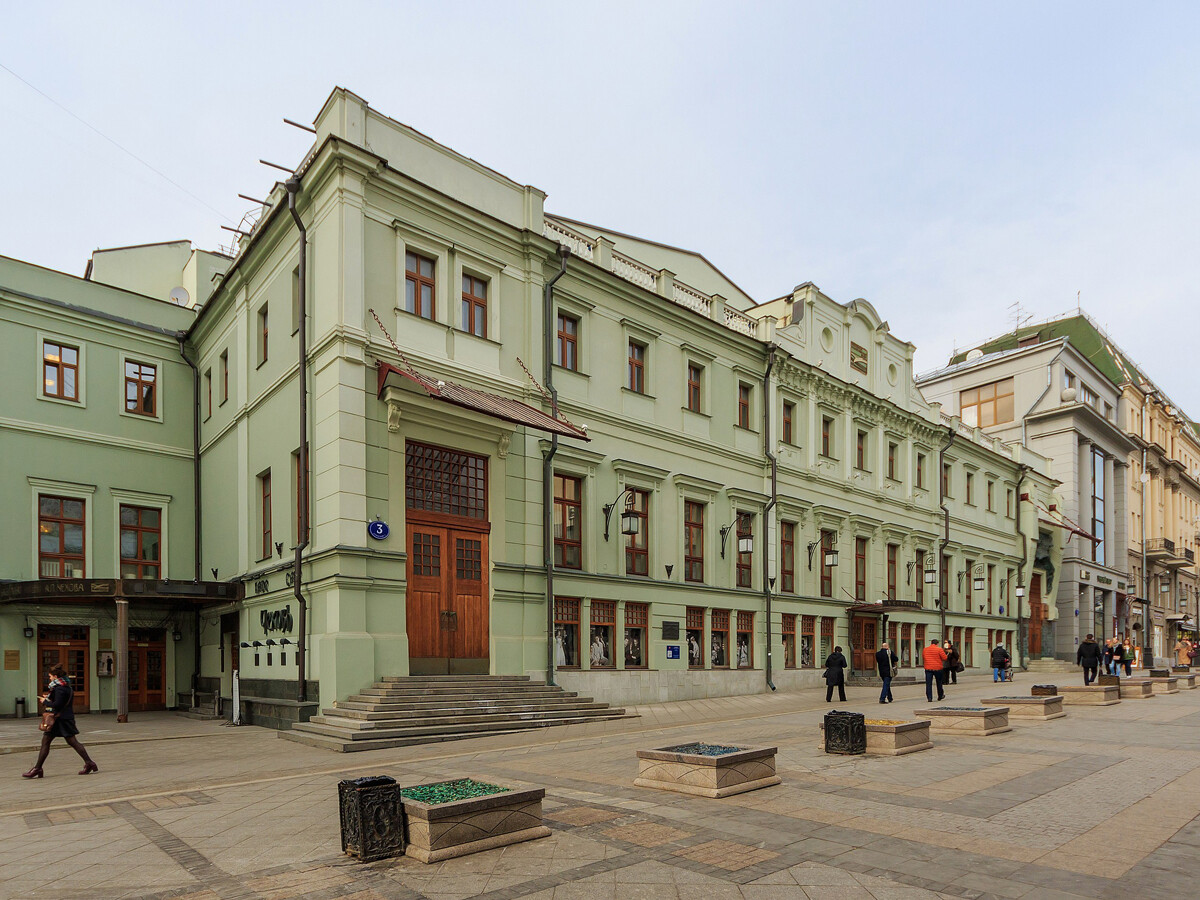
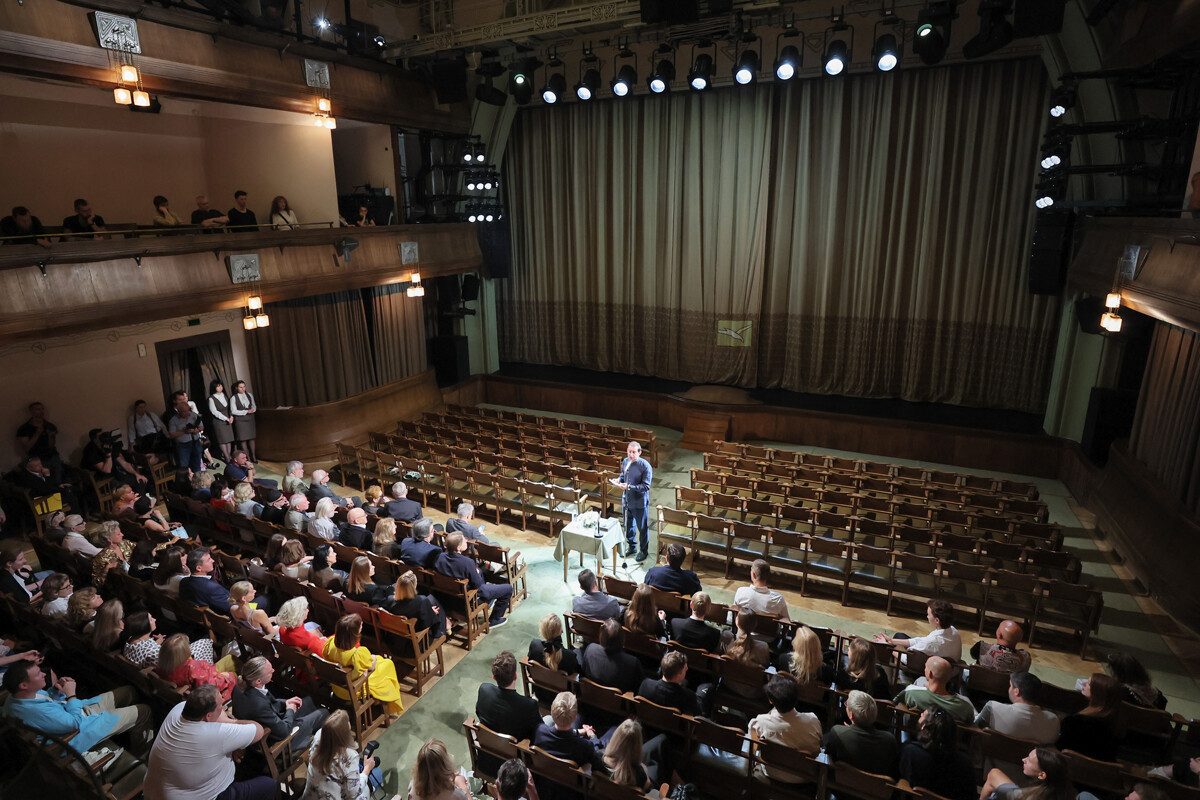
The historic meeting of theater director Konstantin Stanislavsky and playwright Vladimir Nemirovich-Danchenko in the ‘Slavyansky Bazar’ restaurant in the Summer of 1897 laid the foundations and principles of the Art Theater. Its first production was Aleksey Tolstoy’s ‘Tsar Fyodor Ioannovich’. In 1902, the theater moved into a building in Kamergersky Lane, where it remains to this day. Nicholas Roerich, Boris Kustodiev and Alexandre Benois made set designs for its performances and two of the theater’s main authors were Anton Chekhov and Maxim Gorky.
Sofia Sandurskaya/TASS
Nowadays, the Chekhov Moscow Art Theater (Russian abbreviation: ‘MKhT’) is a flagship for new drama productions of plays by classic and contemporary authors and it is pretty much sold out every season.
Mark Zakharov Moscow State Lenkom Theater
A.Savin, Wikipedia
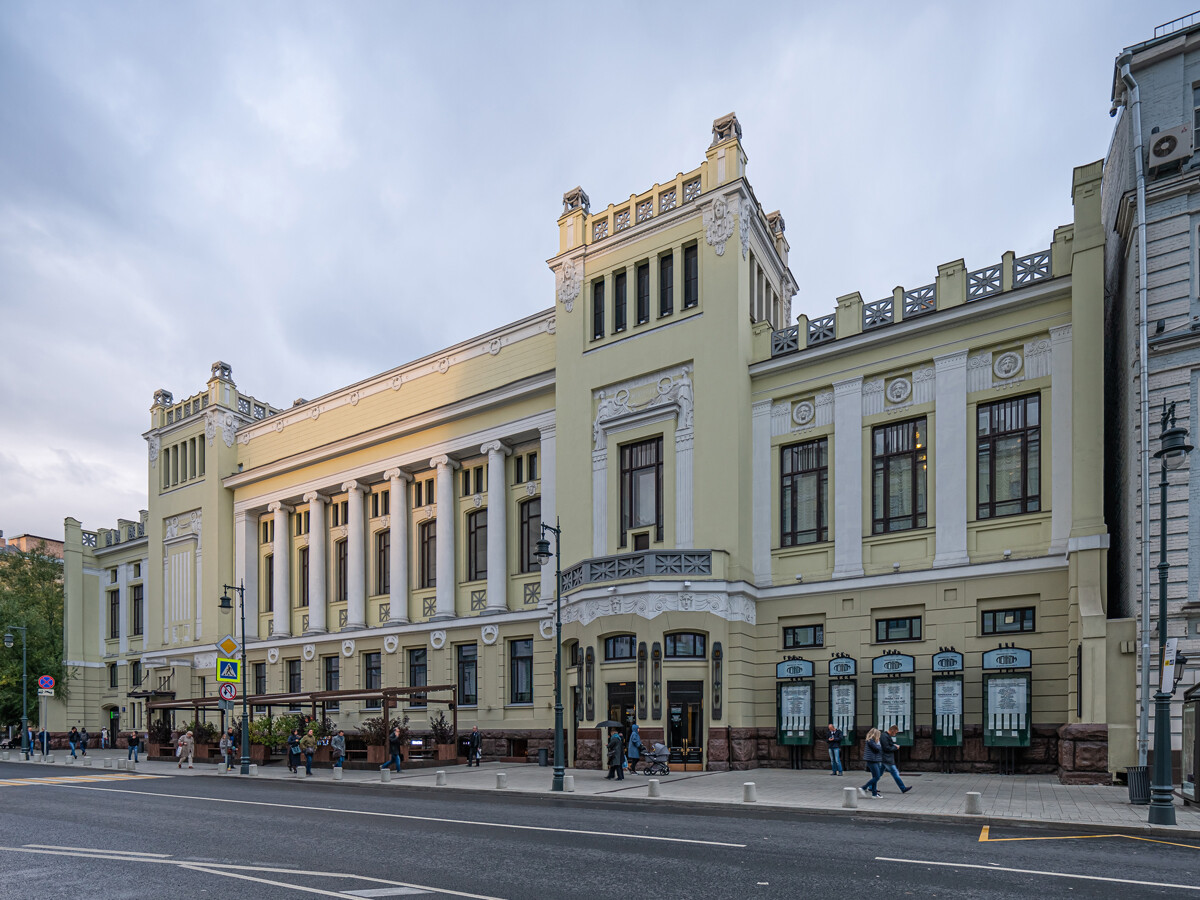
It grew out of the Theater for Working Youth founded in 1927. The Lenkom (Lenin Komsomol) Theater got second wind in the early 1960s, when Anatoly Efros became its artistic director: Young actors like Aleksandr Zbruyev, Valentin Gaft, Aleksandr Shirvindt and Olga Yakovleva performed in plays by Viktor Rozov, Edvard Radzinsky and Mikhail Bulgakov.
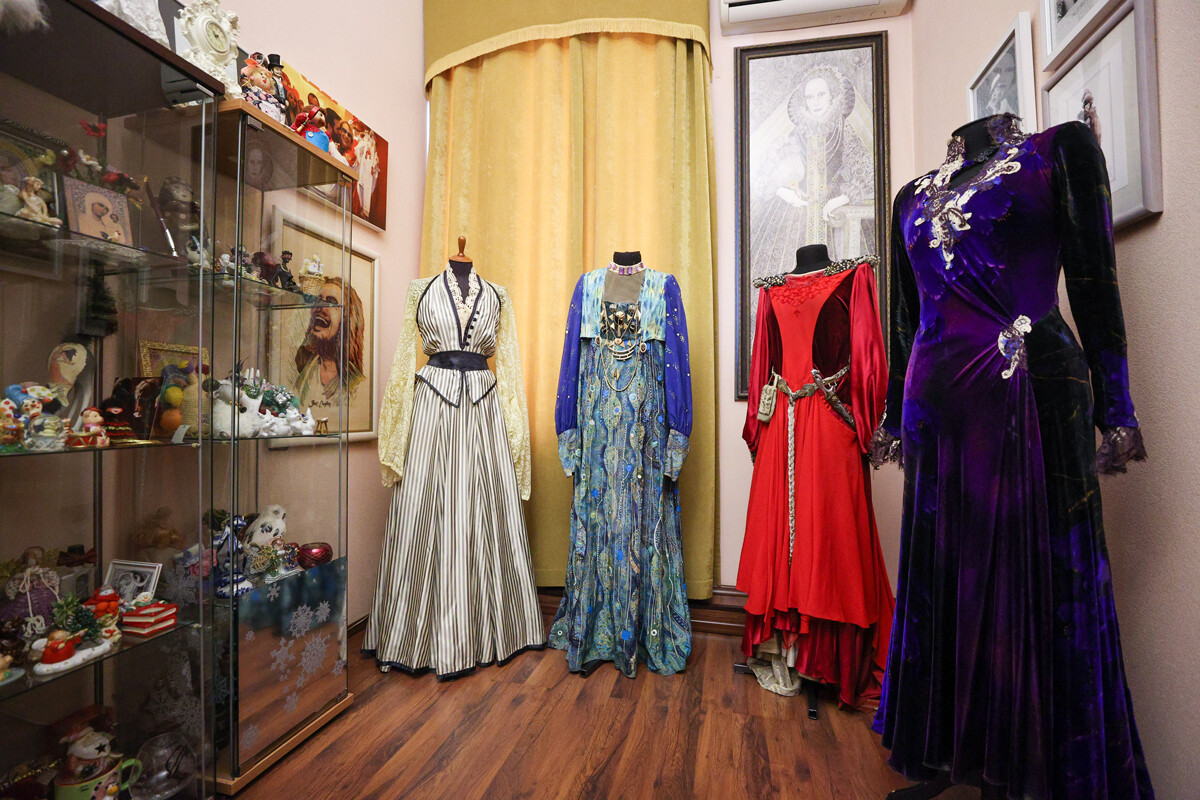
Theatrical costumes in the dressing room of actress Inna Churikova at the Lenkom Mark Zakharov Theater.
Sergey Bulkin/NEWS.ru/Global Look Press
The era of Lenkom as its audiences know it today began in 1973, when Mark Zakharov took over at the theater. His productions of ‘Till Eulenspiegel’ and ‘The Star and Death of Joaquin Murrieta’ became hits, while the rock opera ‘Juno and Avos’ remains in its repertoire to this day.
Sovremennik
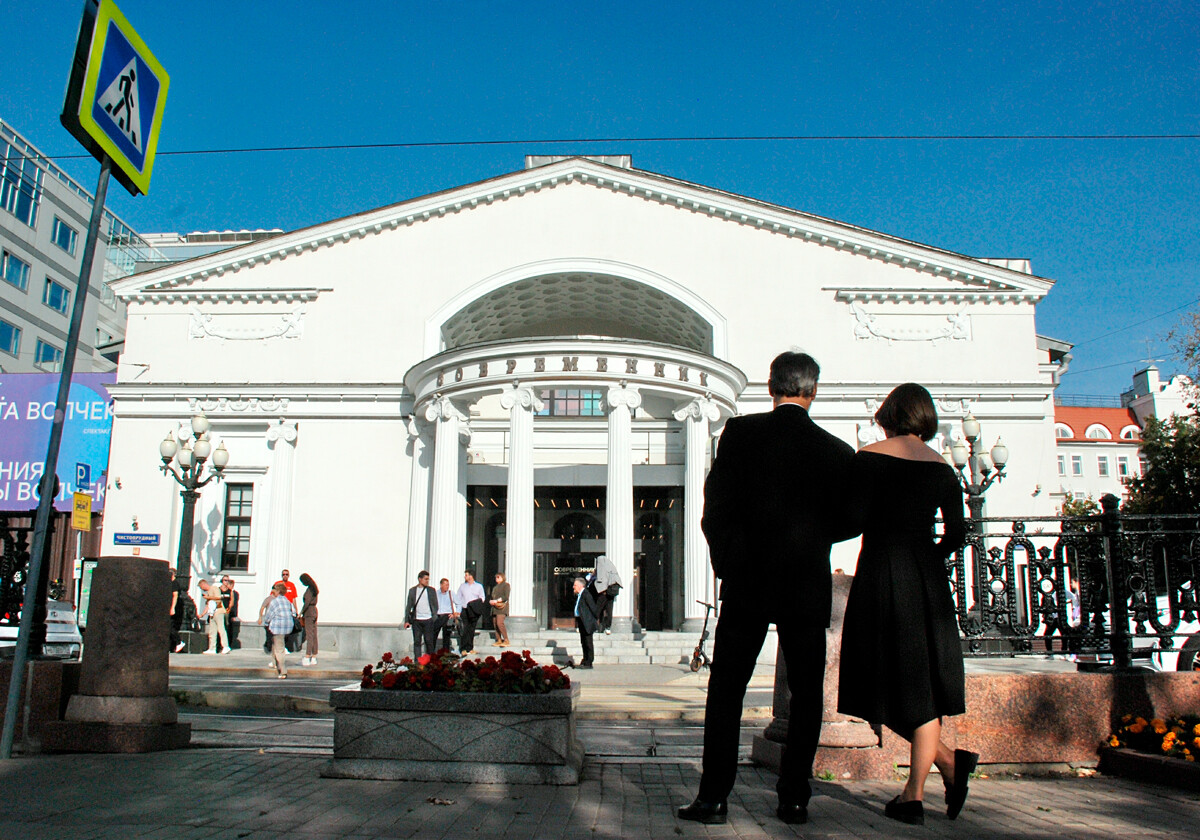
Alexander Legky/Global Look Press
The theater was founded during the Khrushchev thaw by alumni of the Moscow Art Theater studio school – the likes of Oleg Yefremov, Galina Volchek, Igor Kvasha, Oleg Tabakov, Yevgeny Yevstigneyev and others. They wanted to develop the principles laid down by Stanislavsky and Nemirovich-Danchenko and chose plays by contemporary dramatists.
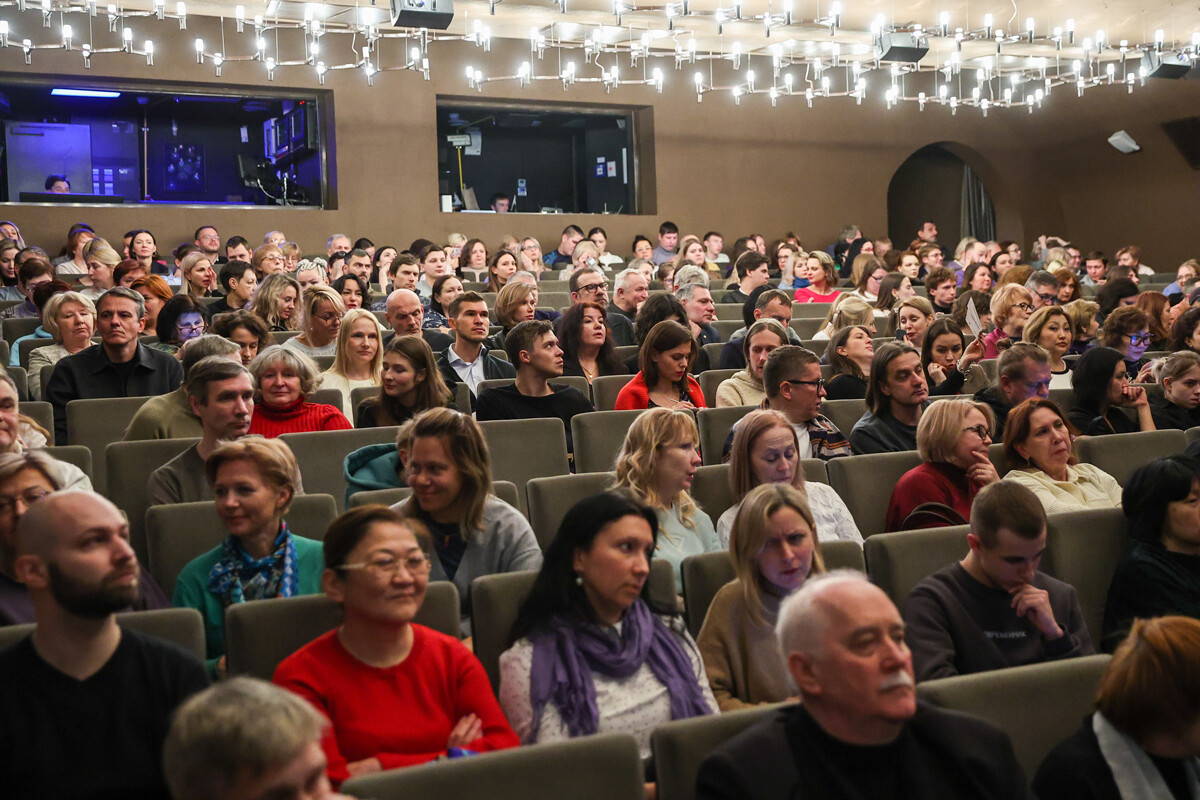
Mikhail Tereschenko/TASS
Their first production was ‘Forever Alive’, a play by Viktor Rozov. The theater continues to adhere to the same principles today – some of the most experimental and avant-garde plays in Russia are put on there.
Stanislavsky & Nemirovich-Danchenko Music Theater
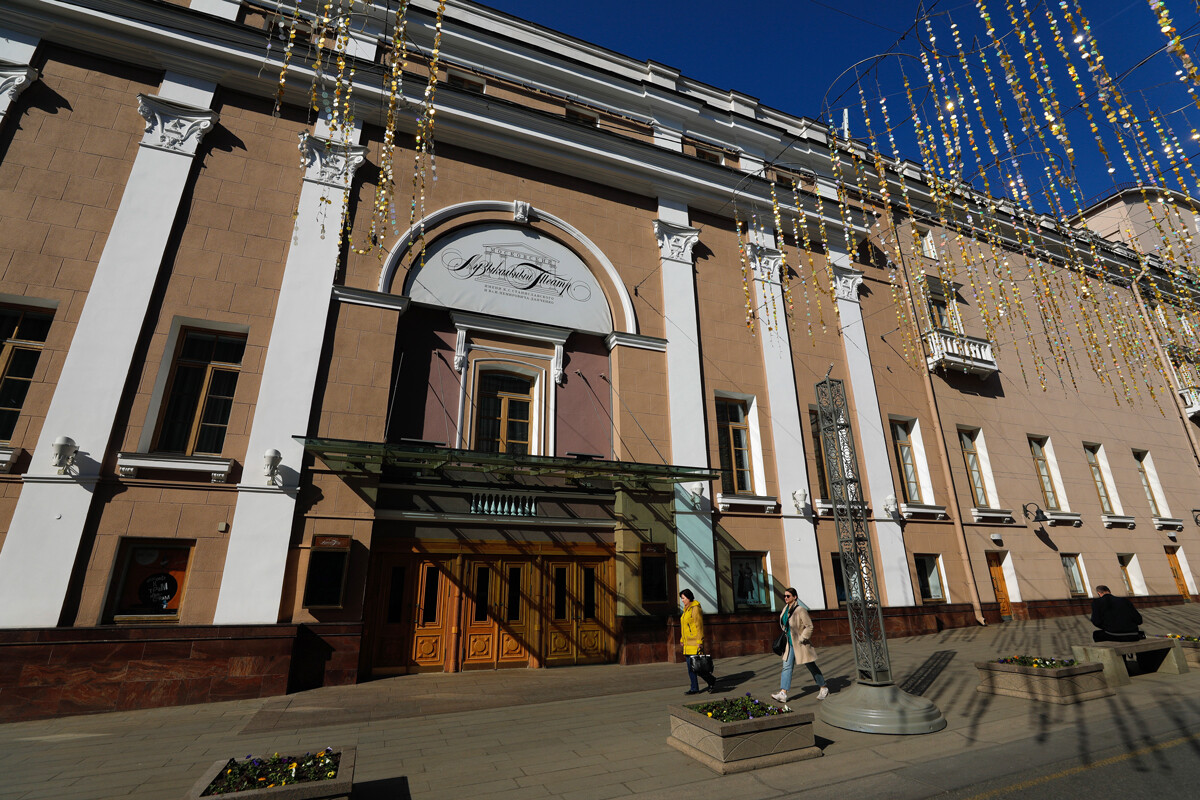
Valery Sharifulin /TASS
The founders of the Moscow Art Theater believed that opera should not be a “costume concert”, but, instead, have a strong dramatic impact and audiences should believe in, and empathize with, events on stage just as with a conventional play. Being one of the first director-led opera theaters in the world, the Stanislavsky and Nemirovich-Danchenko Music Theater has been in existence since December 1918, when the Opera Studio headed by Stanislavsky was founded under the auspices of the Bolshoi Theater. In 1939, it was joined by a ballet company. Among those who have worked there were Vsevolod Meyerhold, Peter Stein, Vladimir Burmeister, Nacho Duato, John Neumeier and Angelin Preljocaj.
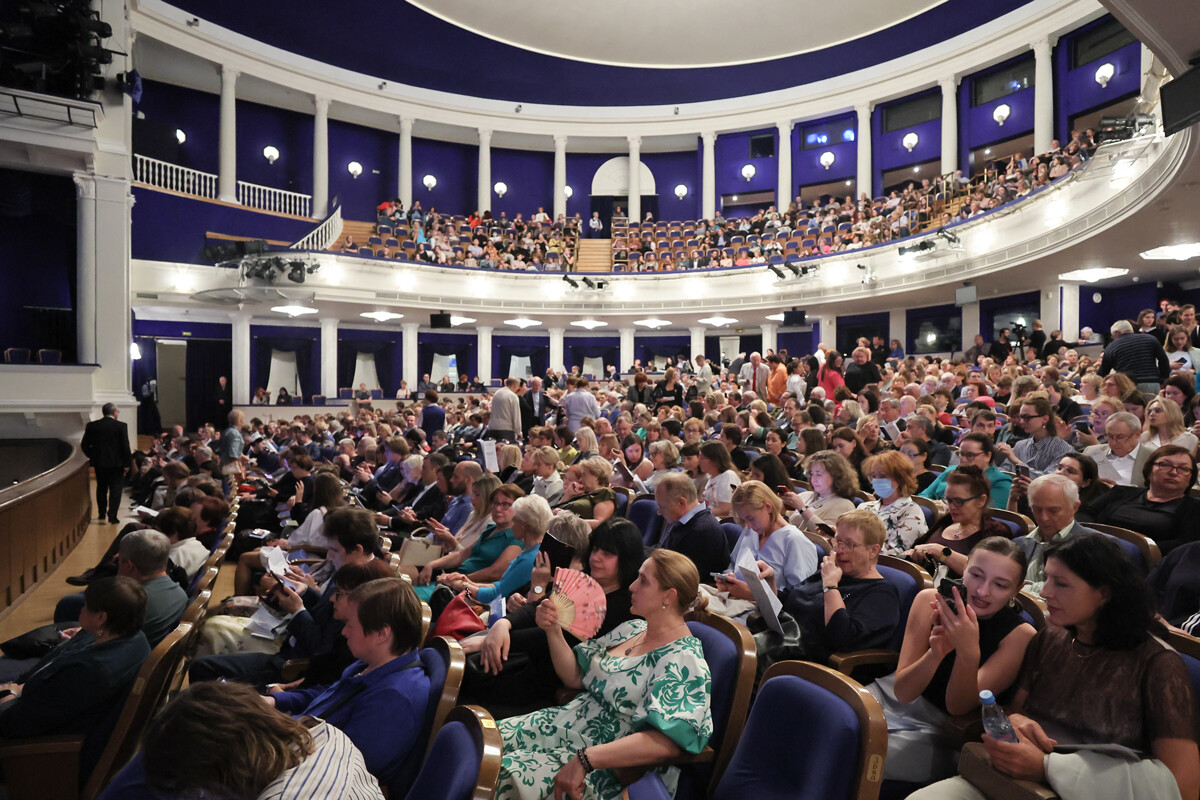
Sofia Sandurskaya /TASS
Alongside ‘Norma’, ‘Aida’, ‘La Bayadère’ and ‘Giselle’, the repertoire includes one-act ballets by contemporary choreographers, the operettas ‘Winter Evening in Chamonix’ and ‘Robinson Crusoe’ and also rarities like Luigi Cherubini’s ‘Medea’. Its stars include Hibla Gerzmava, Georgi Smilevsky, Natalia Somova and Oxana Kardash.
Theater of Nations
Vladimir Fedorenko/Sputnik
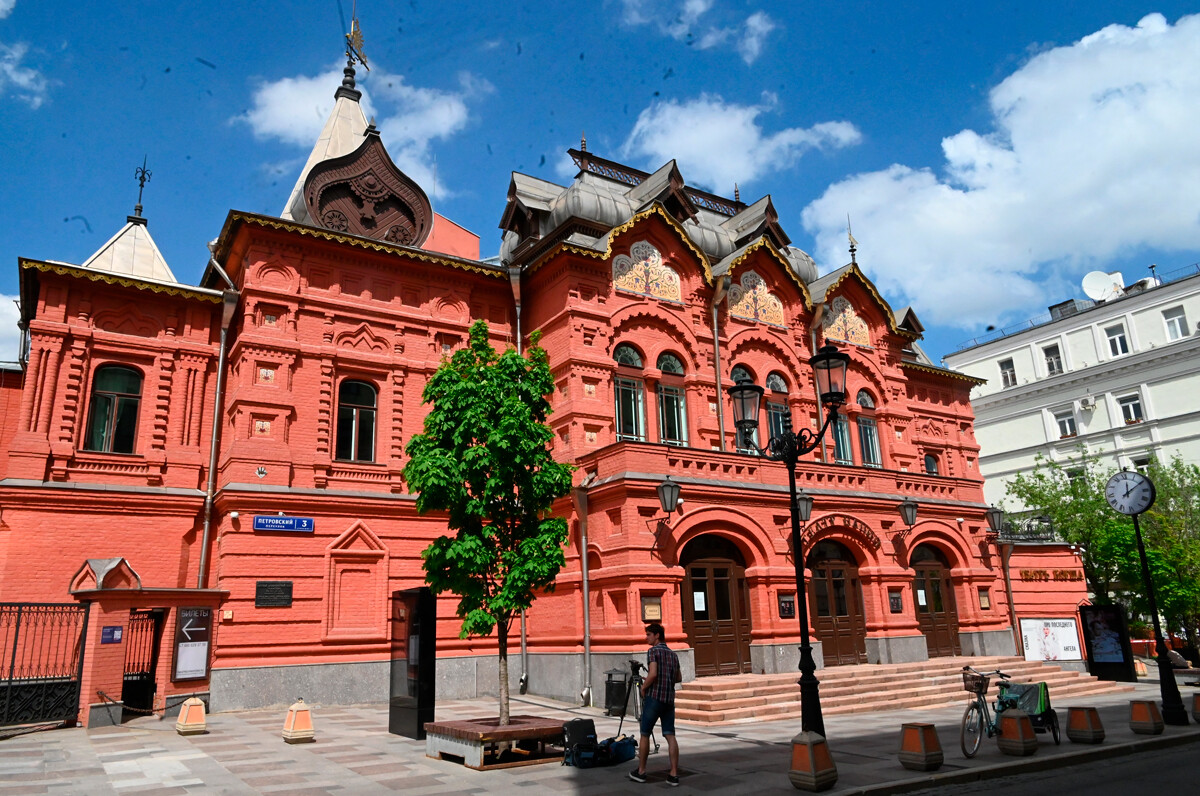
The red brick building in Petrovsky Lane is a real celebrity among theaters. Built in pseudo-Russian style, the mansion was where the private Korsh Theater opened in 1885. It hosted the first production of Chekhov’s ‘Ivanov’. In 2006, actor Yevgeny Mironov took over at the theater: Every play is staged as a separate production with invited directors and actors.
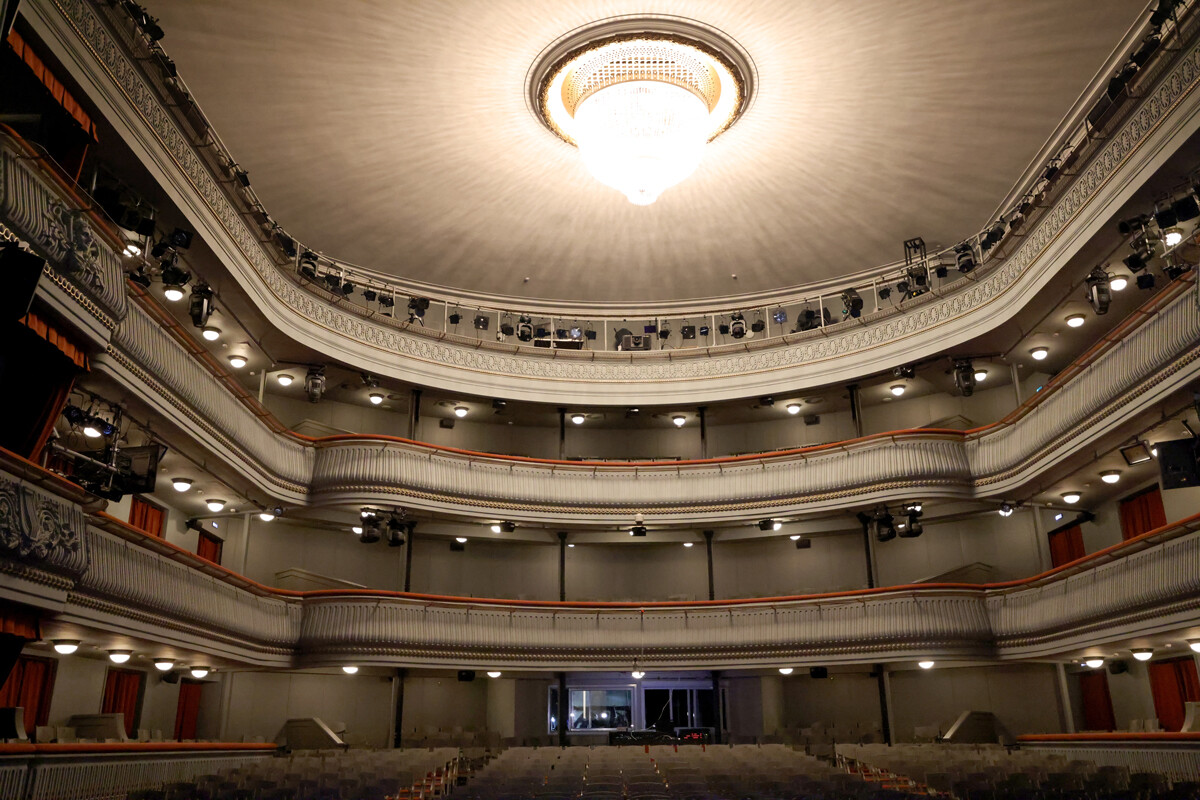
Artyom Geodakyan /TASS
Experimental productions are put on at the theater’s ‘Small Stage’ and its ‘New Space’. Its repertoire embraces contemporary readings of the classics from Shakespeare to Bulgakov, Tolstoy and Ostrovsky and also contemporary plays.
Stanislavsky Electrotheater
Alexander Avilov/Moskva Agency
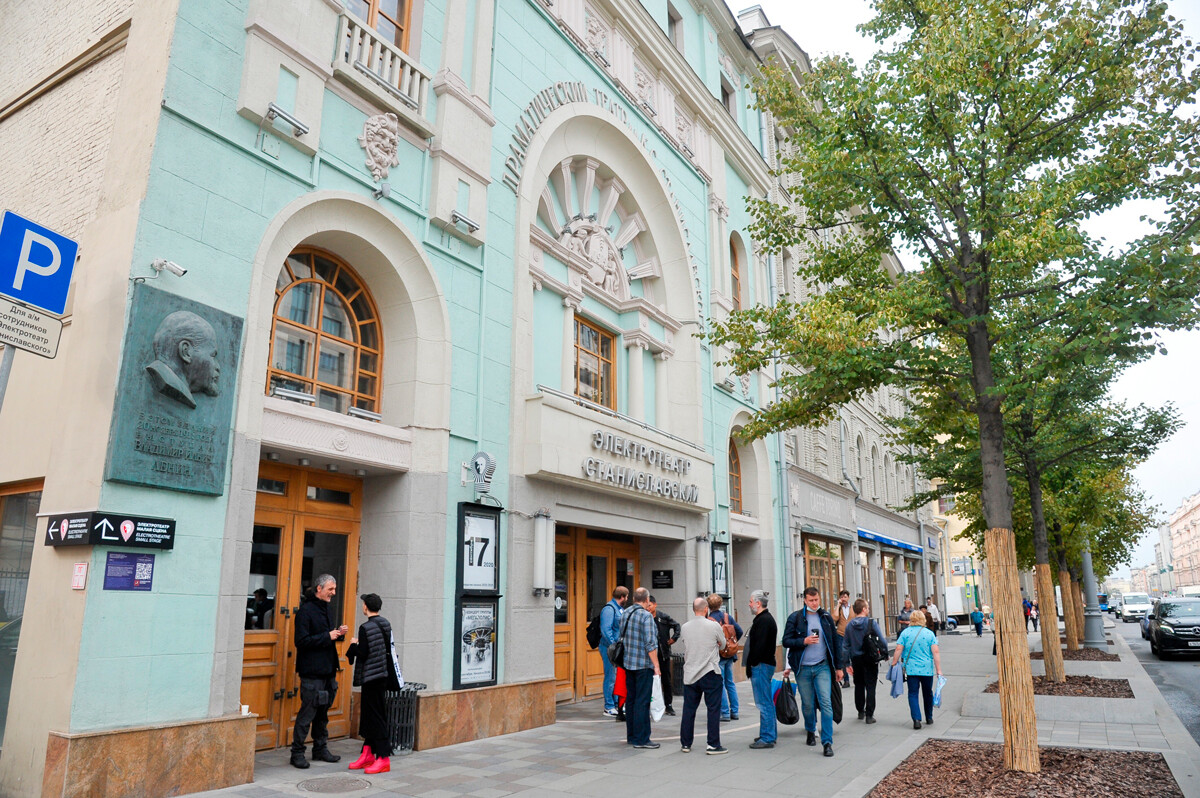
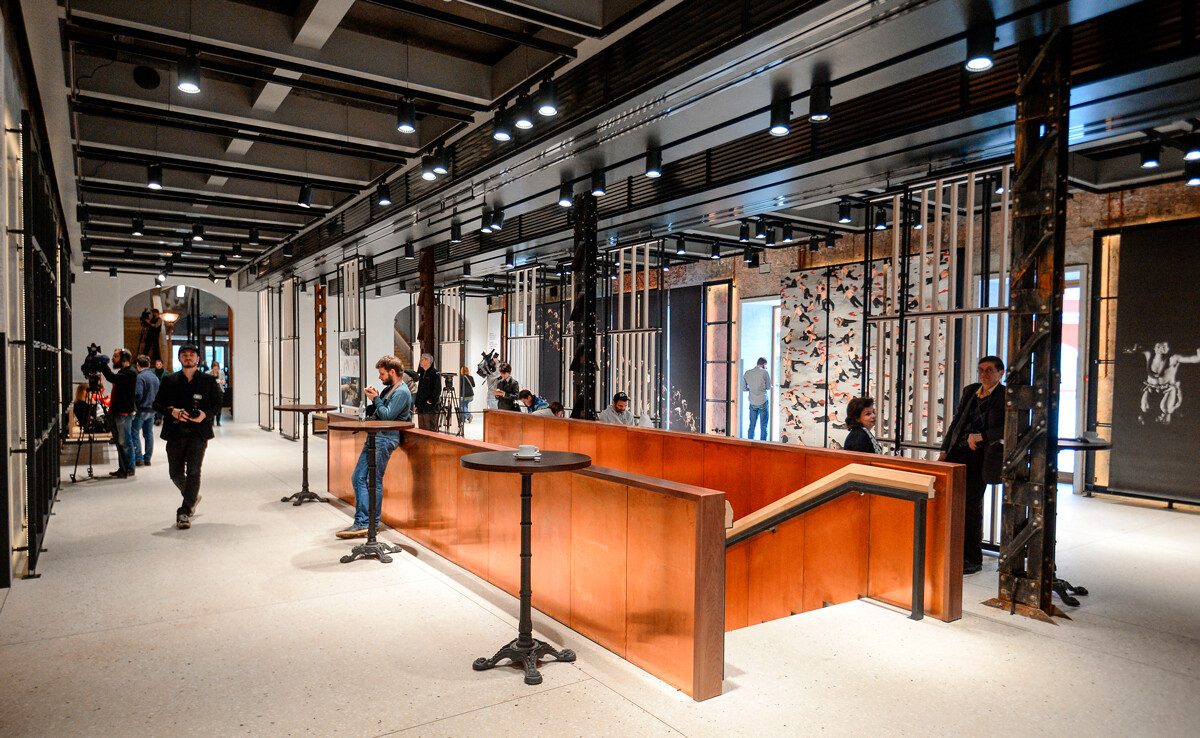
Everything in this theater is about experimentation. The theater is the successor to Moscow’s Stanislavsky Drama Theater on Tverskaya Street. Director Boris Yukhananov took it over in 2015: He not only changed the name (which harks back to the ‘Ars [Lat. ‘Art’] electrotheater’, an early 20th century cinema in this location), but also the theater’s approach. The Stanislavsky Electrotheater goes in for combinations of different art forms, in which performances, plays and concerts complement one another.
Vladimir Astapkovich/Sputnik
Well-known directors have collaborated with the theater – Theodoros Terzopoulos, Heiner Goebbels, Konstantin Bogomolov and Marfa Gorvits. Boris Yukhananov pays a lot of attention to music: almost two dozen operas have been staged at the theater, including experimental ones by contemporary composers.
Vakhtangov Theater
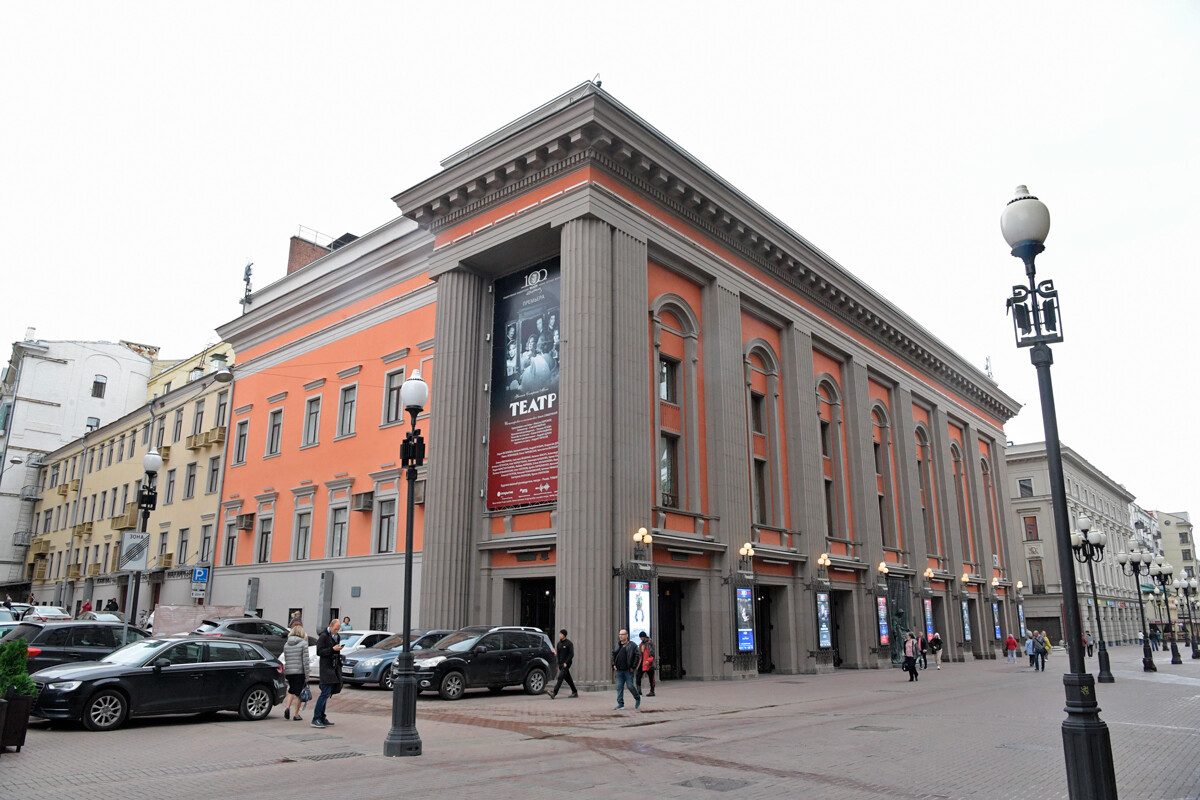
Vladimir Fedorenko/Sputnik
The theater’s founder, Yevgeny Vakhtangov, was a pupil of Stanislavsky and Nemirovich-Danchenko. In different periods, the theater was also headed by Ruben and Yevgeny Simonov and Mikhail Ulyanov, while, in the noughties, the chief director was the acclaimed Rimas Tuminas.
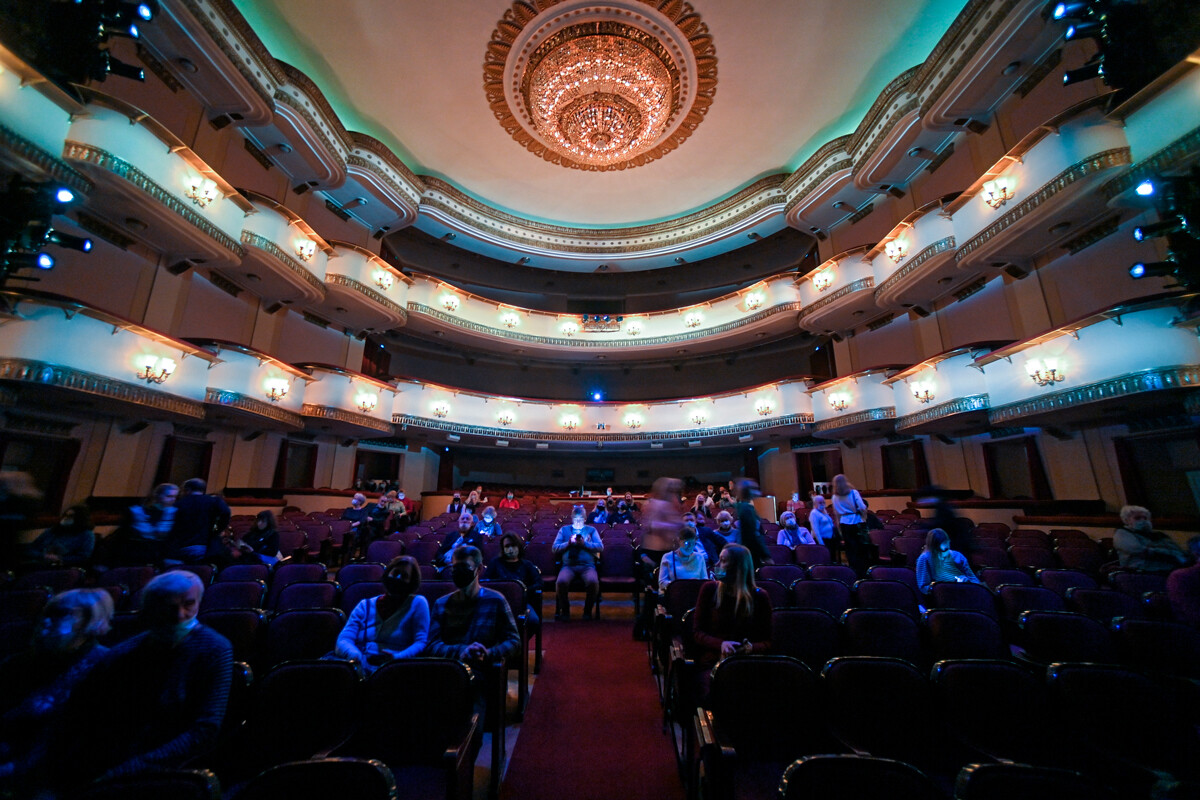
Evgeniy Odinokov/Sputnik
The members of the acting company include Sergei Makovetsky, Yuliya Rutberg, Maksim Sukhanov and other stars of theater and cinema. The repertoire is a combination of the classics and modern drama, while its longest-running production was ‘Princess Turandot’. It was staged in 1922 by Vakhtangov himself and was staged until 2006. In 1997, a commemorative fountain was installed next to the theater in memory of the legendary play.
Pyotr Fomenko Workshop theater
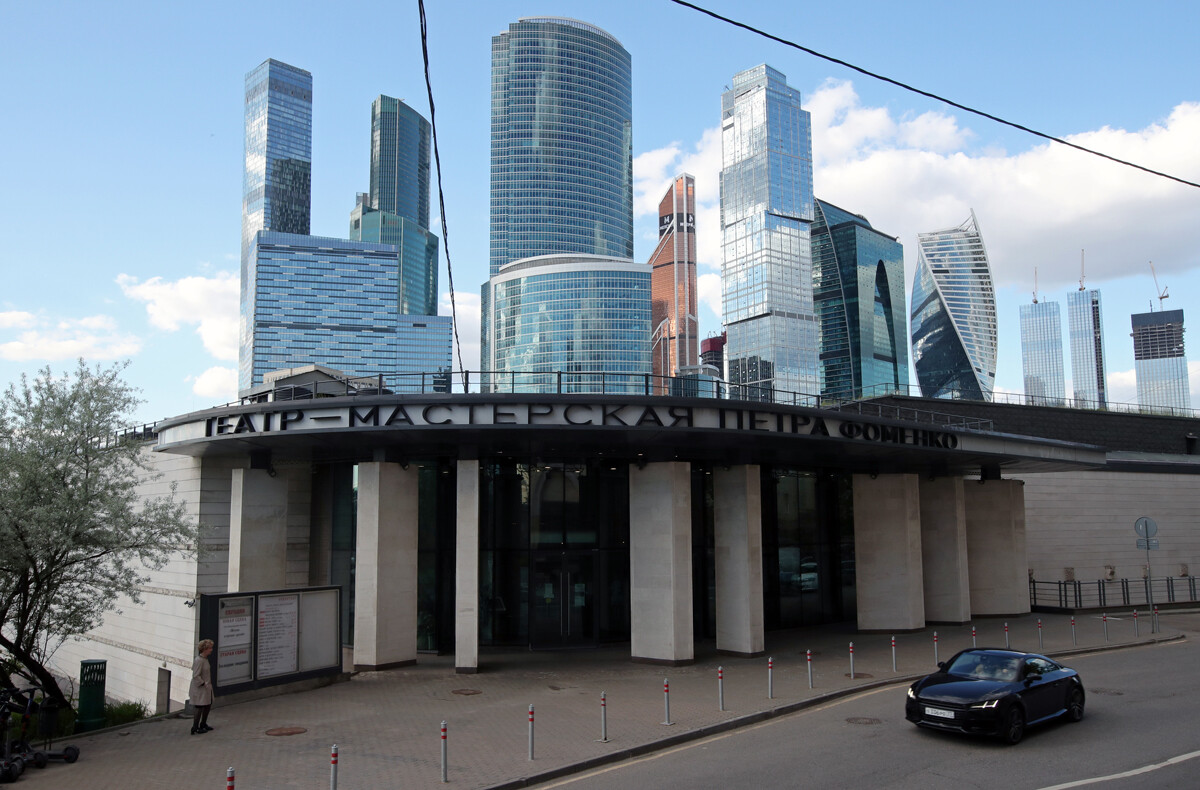
Sergey Karpuhin/TASS
The alumni of director Pyotr Fomenko made one of the biggest splashes in the 1990s Moscow theater scene. They formed a new theatrical troupe that explored and built on the traditions of Russian repertory theater.
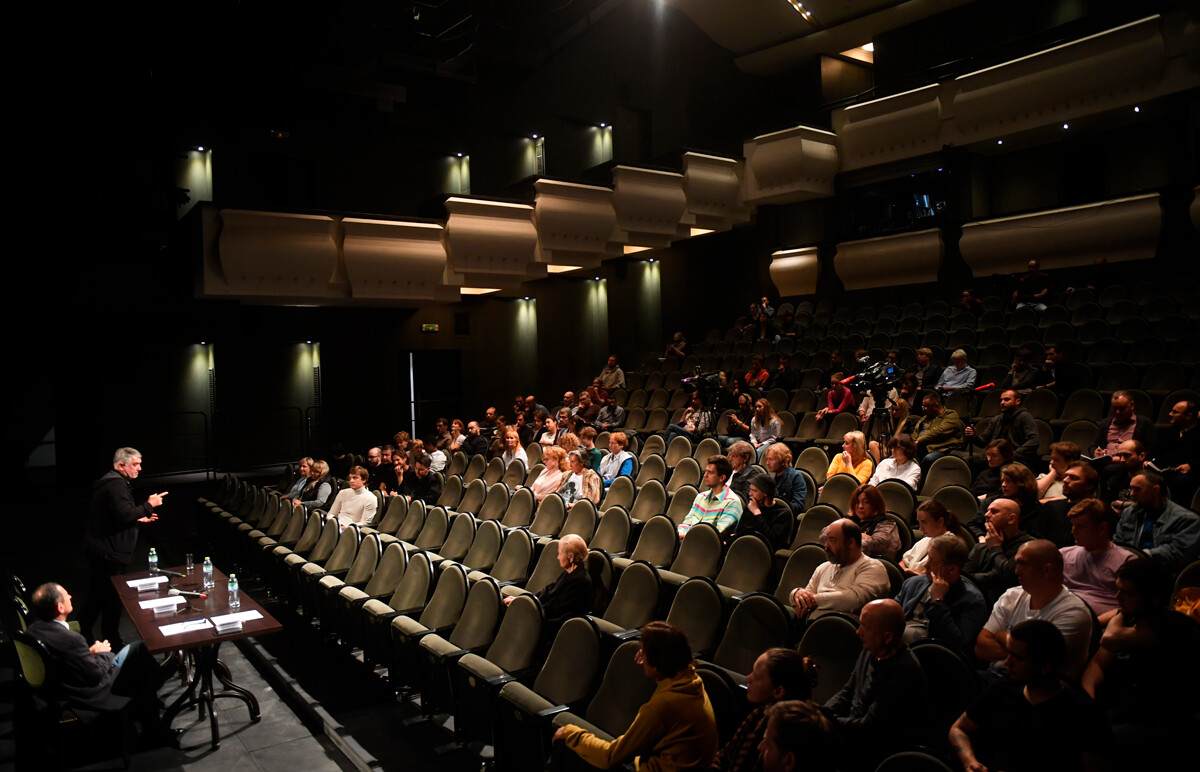
Kirill Kalashnikov /Sputnik
Today, the productions put on by the so-called “Fomenki” (followers of Fomenko) include works by Ostrovsky, Chekhov, Tolstoy, Pirandello, Gumilev, Volodin and Vampilov. Yevgeny Tsyganov, Polina Agureeva, sisters Ksenia and Polina Kutepova and Galina Tyunina, meanwhile, are among the actors who can be seen in productions staged by the theater.
Dear readers,
Our website and social media accounts are under threat of being restricted or banned, due to the current circumstances. So, to keep up with our latest content, simply do the following:
- Subscribe to our Telegram channel
- Subscribe to our weekly email newsletter
- Enable push notifications on our website
- Install a VPN service on your computer and/or phone to have access to our website, even if it is blocked in your country
[ad_2]


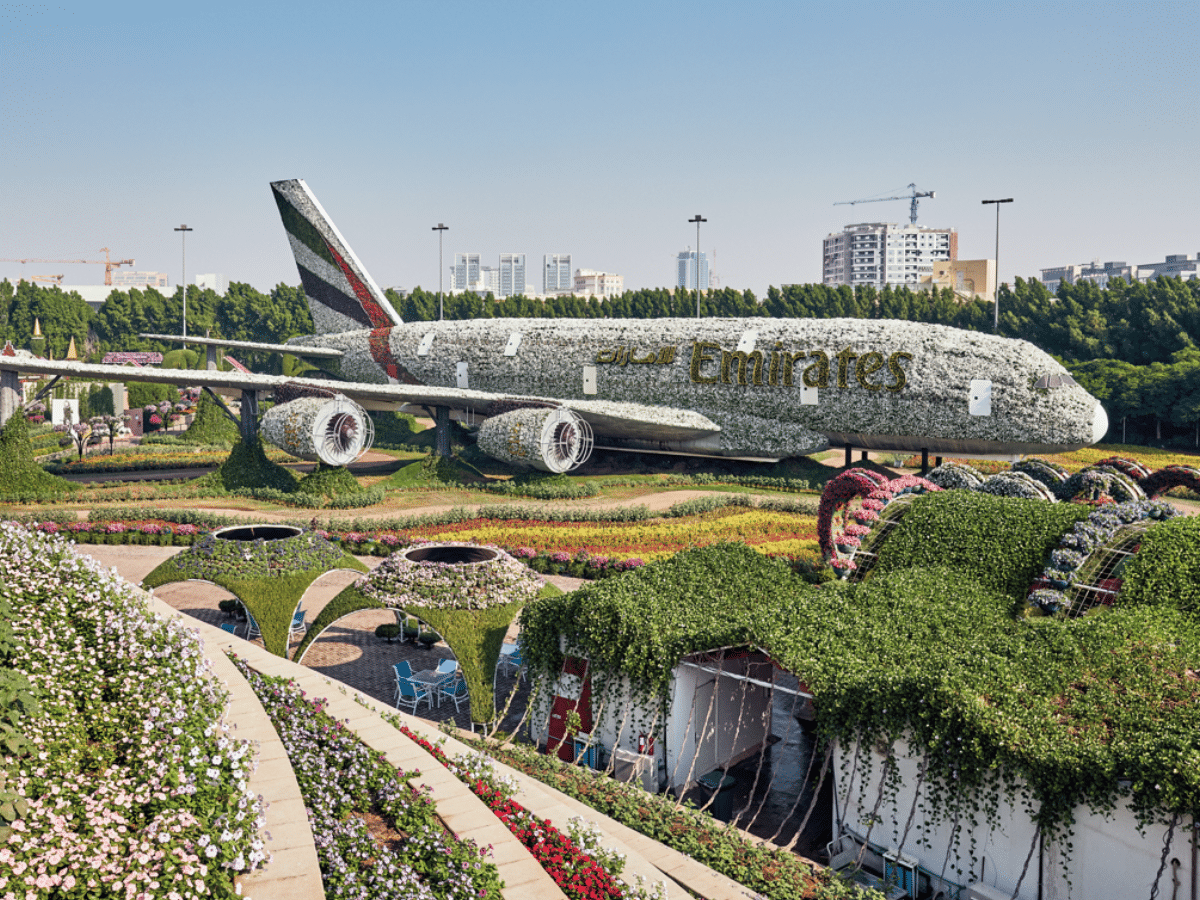

Emirates Dubai 7s is returning to The Sevens Stadium from November 27 to 29, with tickets now on sale for the three-day sports and entertainment festival.
The 2026 edition will bring together international rugby, amateur sports, live music and family entertainment, with organisers promising a bigger programme than previous years.
The festival attracted more than 88,000 visitors in 2025 and will again take place during the final weekend of the Dubai Fitness Challenge.
Ticket prices
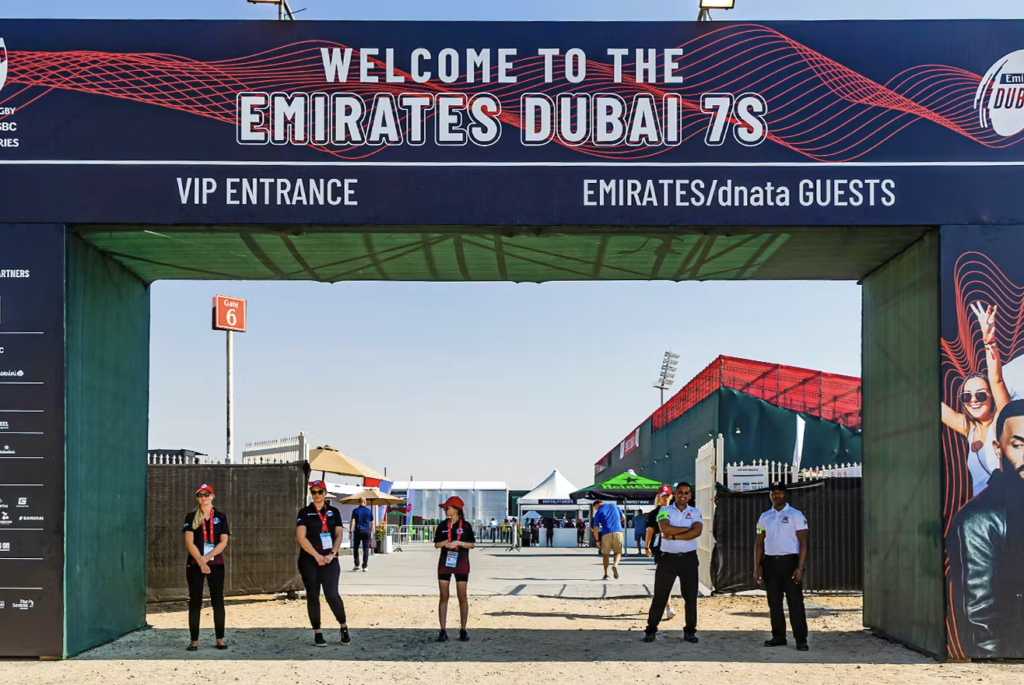
Ticket prices for General Admission and Hospitality have stayed the same for a third consecutive year.
Three-day General Admission tickets cost Dh595 per person, while the three-day Family Pass is Dh1,136 for two adults and two children.
Other ticket options
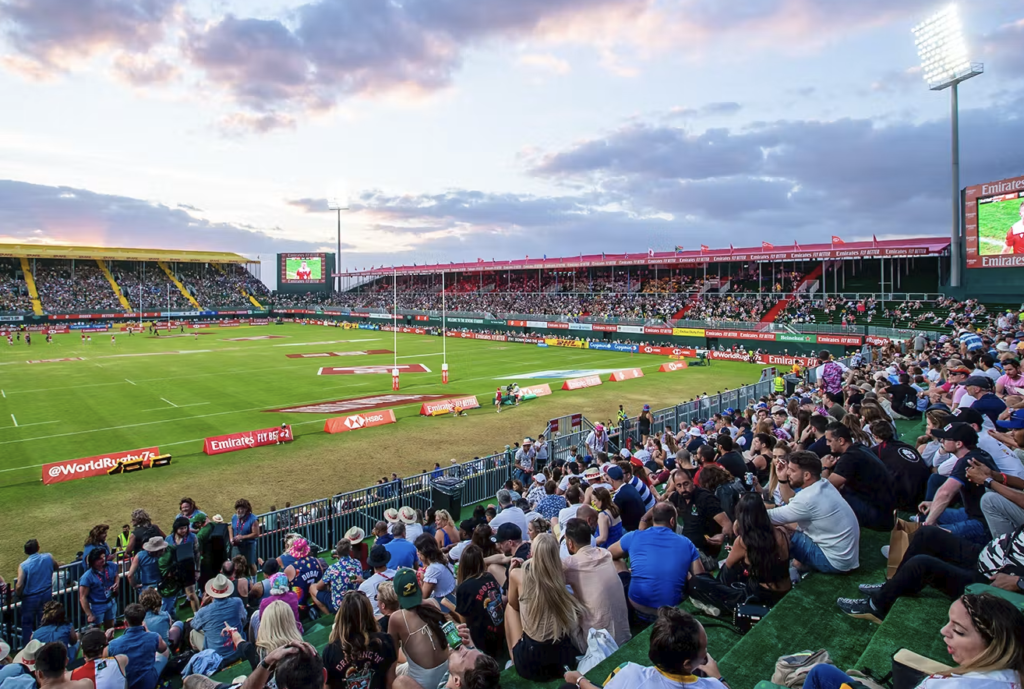
- Group pass: Dh446 per person for four or more adults
- Saturday or Sunday: Dh455
- Friday: Dh75
- Under 15s: Free
- People of Determination + carer: Dh375
Tickets can be purchased through the Emirates Dubai 7s website and app.
Bigger family attractions

Family entertainment will get a major boost this year as the UAE celebrates the Year of the Family.
The festival will feature its biggest-ever Kids’ Zone, including the UAE’s largest inflatable kids’ zone, along with a Ferris wheel and zipline. More attractions are expected to be announced ahead of the event.
Six sports and top rugby action
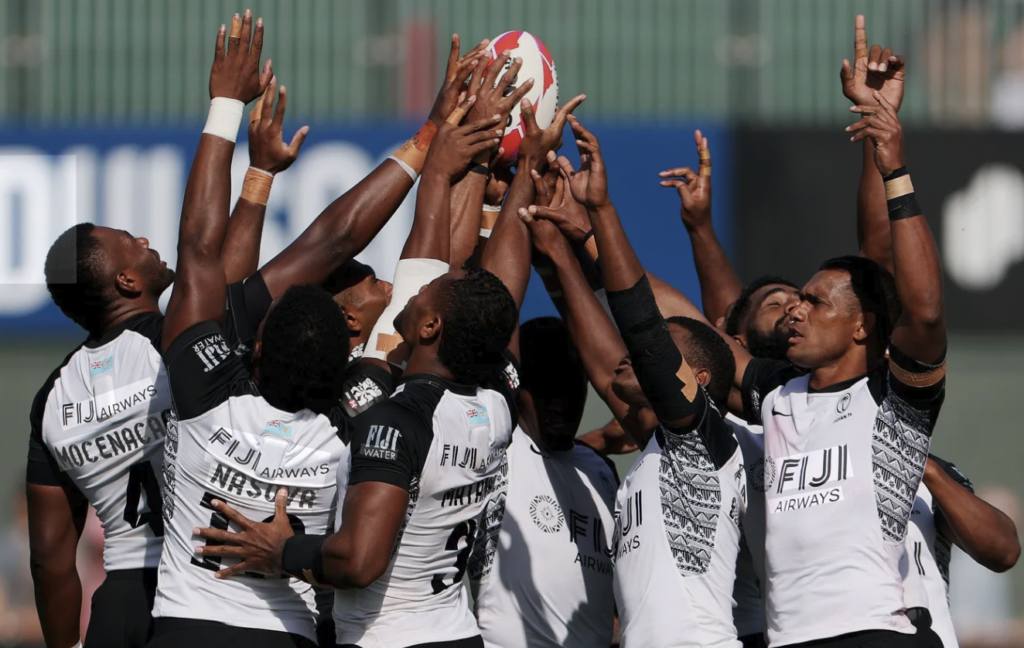
Alongside elite rugby, visitors can watch or take part in competitions across six sports — rugby, netball, cricket, WODON3 fitness, Rebound padel and Gaelic Football.
Gaelic Football will join the festival for the first time in 2026.
The Sevens Stadium will also host the opening round of the HSBC SVNS Series 2027, bringing the world’s leading rugby sevens players to Dubai.
The WODON3 Elite final will take place on Pitch 1 between HSBC SVNS matches, with competitors potentially performing in front of crowds of up to 20,000.
Music all weekend
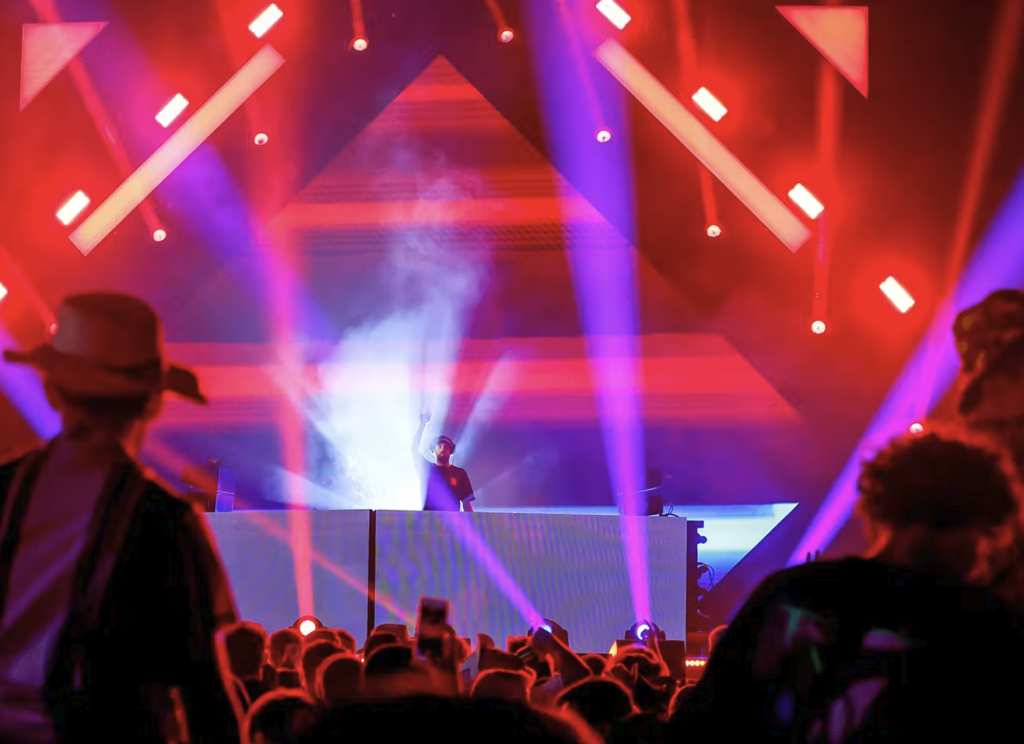
Live entertainment will run throughout the festival, with local and international artists performing across three days.
Last year’s line-up included Tinie Tempah, Sean Paul and Fisher, while the 2026 headline acts will be announced later.
For a premium experience, The Sunroom returns with all-inclusive food and drinks, shaded seating, prime sporting views and dedicated access. Packages start from Dh1,925 per person.
With sport, music and family attractions packed into one weekend, Emirates Dubai 7s is gearing up for another big Dubai event.
Entertainment
Dubai launches ‘Dubai+’ family streaming platform to boost digital media and creative economy


Dubai Miracle Garden returns as UAE’s cooler season begins

Sultan Al Qasimi Attends Opening of 12th Sharjah Calligraphy Biennial


