
Entertainment
The Black Book is a gritty new thriller that raises the bar for Nollywood

[ad_1]
Nigerian thriller The Black Book has been in the headlines for reportedly topping global figures at streaming service Netflix, with 5.6 million viewers in its first two days. Does it live up to the hype?
In my view, as a critic, scholar and teacher of Nigerian film and storytelling, the short answer is yes. Directed and co-written by newcomer Editi Effiong, The Black Book emerges as a significant film that establishes a new milestone for Nollywood, the ever-evolving Nigerian film industry.
It achieves this by combining several key factors: high production values, a desire to break the mould by offering an outspoken and relevant political critique, and an ability to master new digital opportunities – including those offered by the likes of Netflix.
What it’s about
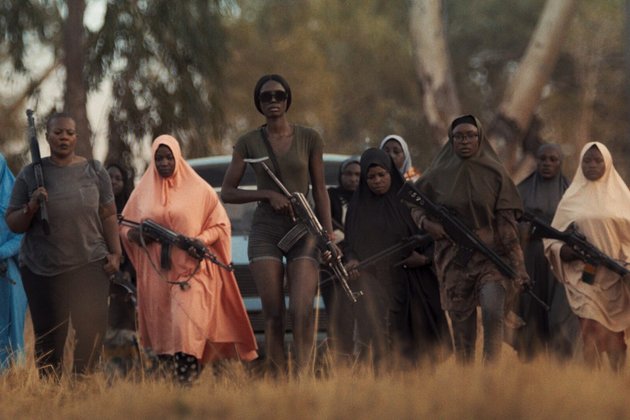
Set in Lagos and Kaduna states, this action thriller delves into intricate themes of power, revenge and corruption. At first the film centres on Professor Stella Craig, boss of the Nigeria Energy & Oil Company. She embarks on an investigation into oil blocks apparently controlled by a corrupt cartel led by General Issa. The story opens with the kidnap and subsequent murder of her husband and new-born child, despite her willingness to resign voluntarily.
When a tall, dark suspect with dreadlocks is arrested but later released, a hunt for the kidnappers begins. Damilola Edima, an enterprising young man, becomes an unfortunate victim of jungle justice. His father, Paul Edima, a deacon and former hitman, is determined to find justice for his son. His revenge mission focuses on finding a black book. The contents of the book can dismantle the cartel.
Is it any good?
The Black Book stands out because of its thrilling storyline. It pays meticulous attention to detail while also making poignant references to Nigerian history and society. It unfolds against a backdrop of prominent individuals and governmental bodies, echoing real-world events like insecurity, corruption and police brutality.
The movie emphasises outdoor scenes that captivate the audience with spectacular visuals. As Effiong’s feature directing debut, it represents a groundbreaking achievement in Nollywood for both the scope of the action and the fact that this action is able to capture the essence of contemporary Nigeria.
The Black Book portrays a nation grappling with corruption within the ruling class and the pervasive influence of manipulative kingmakers. It reflects a society where insecurity is perpetrated by security officials, free speech is stifled and honest journalism suppressed. Watching it is a visceral experience of a country of both beauty and lurking dangers. Ultimately, it’s a reminder of the cost of justice, especially for the vulnerable in society.
Several projects have paved the way for a film like The Black Book. It was met with the kind of anticipation that recalls the excitement generated by Nigerian director Teco Benson‘s 1990s action films. In 2022 the Netflix mini-series Blood Sisters broke new ground for Nigerian thrillers by offering unconventional portrayals of young women instead of the usual romance narratives.
The Black Book pushes the boundaries further. Its gritty politics is excellently researched. Editi Effiong’s direction chooses each word spoken and each visual with meticulous care.
He demonstrates a level of competence, dedication and cultural awareness that Nollywood needs to engage in, especially if it’s to sustain its global audience. A tech and advertising expert turned producer turned director, Effiong represents a new school of digital savvy that complements the art of streaming.
Nollywood’s development
Rising professionalism and compelling storytelling is tapping into on-demand distribution platforms, expanding the horizons of Nollywood. The industry initially gained global recognition for its huge output of direct-to-CD and DVD productions. It has moved from operating within an informal economy to reach a broader international audience.
Nollywood has historically been criticised for its low budgets, lack of professionalism and rushed production processes. This has led some film-makers to distance themselves from the term “Nollywood”. Updated terms like “new Nollywood” or “beyond Nollywood” emerged to describe a new phase in its development.
I have interpreted “new Nollywood” as an economic strategy and a phase in the history of the industry’s development rather than a categorisation of the films themselves. Previously I discussed factors promoting the new Nollywood era. I argue that professionalism and access to elite audiences are reshaping the industry.
Now I add that Netflix and other multinational streaming platforms have raised the bar even higher. The Black Book stands as a testament to this evolving landscape. The future appears promising, with The Black Book serving as a significant chapter in shaping a bold cinematic future.
Should you watch it? Yes, especially if thrillers are your thing. It’s gripping and entertaining. It resonates with a global audience particularly because of its exceptional production qualities. Its high-octane action sequences and streamlined narrative are a vehicle for the film to stand out as atypical of old Nollywood yet still quintessentially Nigerian.
Author: Ezinne Ezepue – Lecturer, University of Nigeria 
[ad_2]


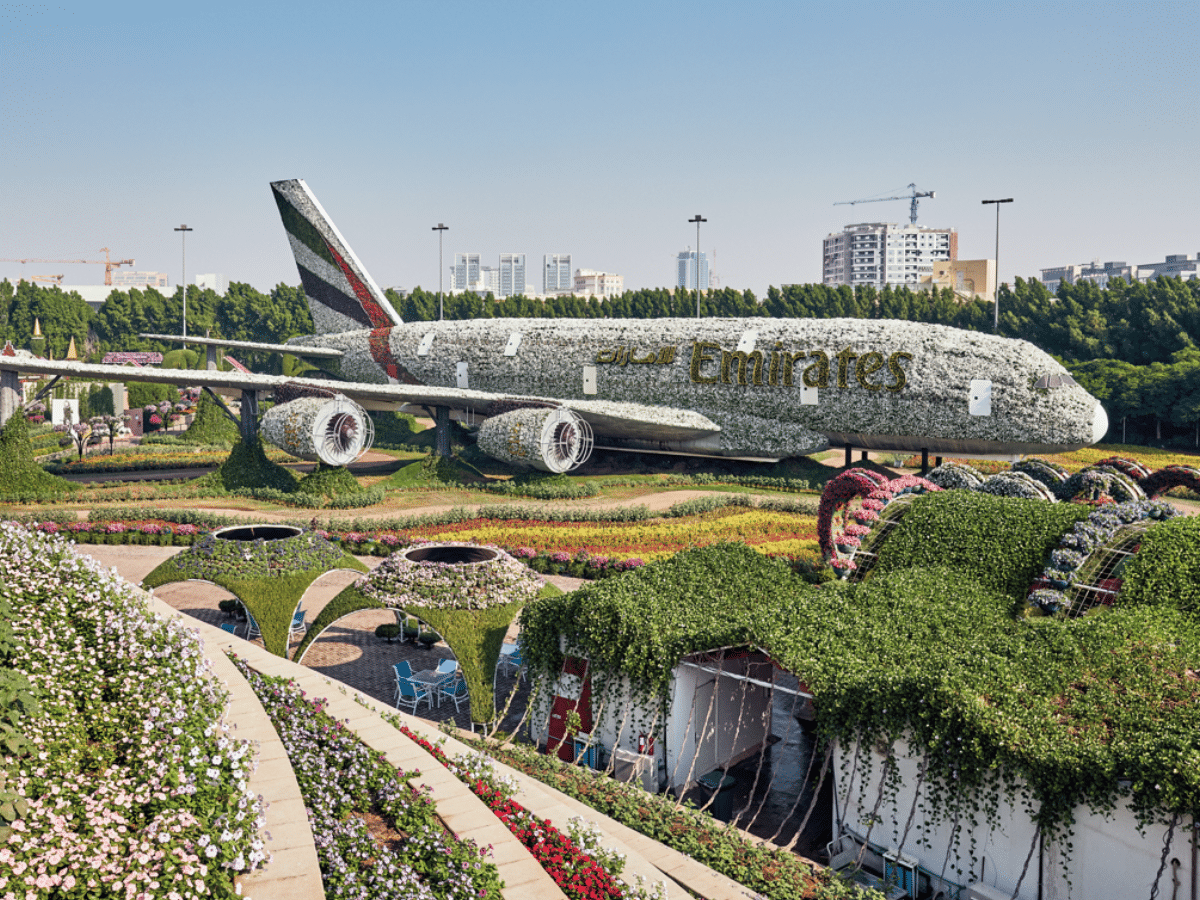

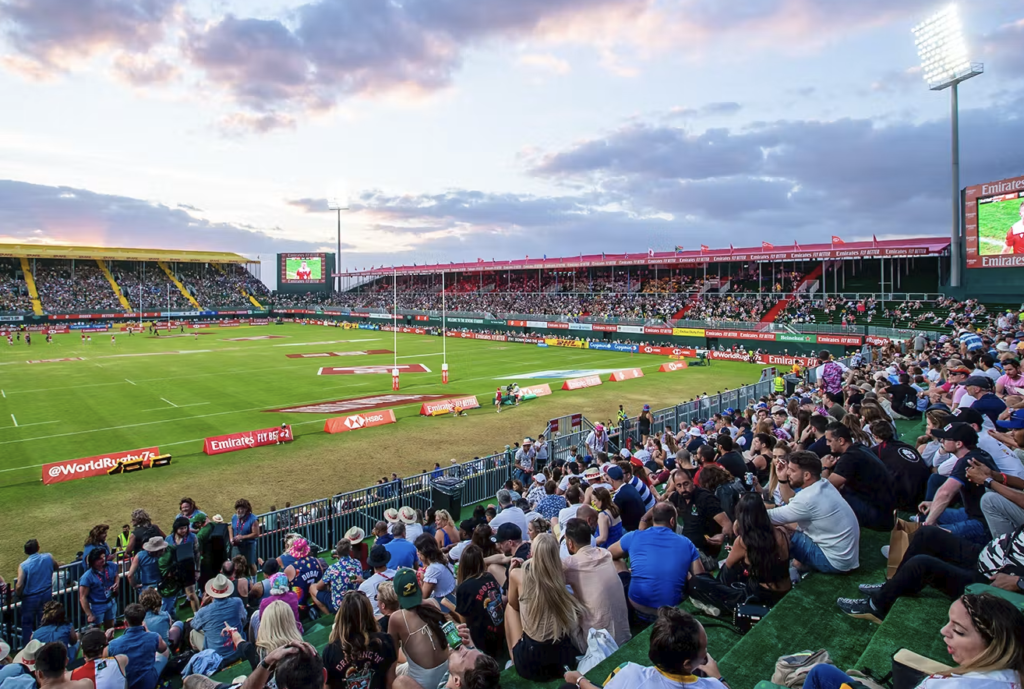
Emirates Dubai 7s is returning to The Sevens Stadium from November 27 to 29, with tickets now on sale for the three-day sports and entertainment festival.
The 2026 edition will bring together international rugby, amateur sports, live music and family entertainment, with organisers promising a bigger programme than previous years.
The festival attracted more than 88,000 visitors in 2025 and will again take place during the final weekend of the Dubai Fitness Challenge.
Ticket prices
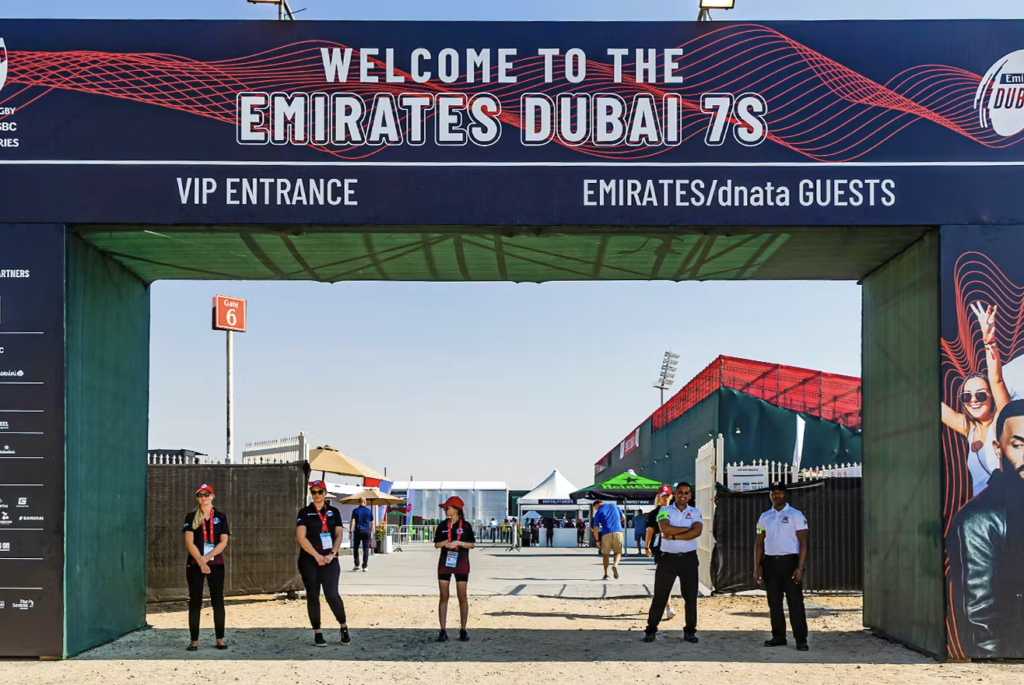
Ticket prices for General Admission and Hospitality have stayed the same for a third consecutive year.
Three-day General Admission tickets cost Dh595 per person, while the three-day Family Pass is Dh1,136 for two adults and two children.
Other ticket options
- Group pass: Dh446 per person for four or more adults
- Saturday or Sunday: Dh455
- Friday: Dh75
- Under 15s: Free
- People of Determination + carer: Dh375
Tickets can be purchased through the Emirates Dubai 7s website and app.
Bigger family attractions

Family entertainment will get a major boost this year as the UAE celebrates the Year of the Family.
The festival will feature its biggest-ever Kids’ Zone, including the UAE’s largest inflatable kids’ zone, along with a Ferris wheel and zipline. More attractions are expected to be announced ahead of the event.
Six sports and top rugby action
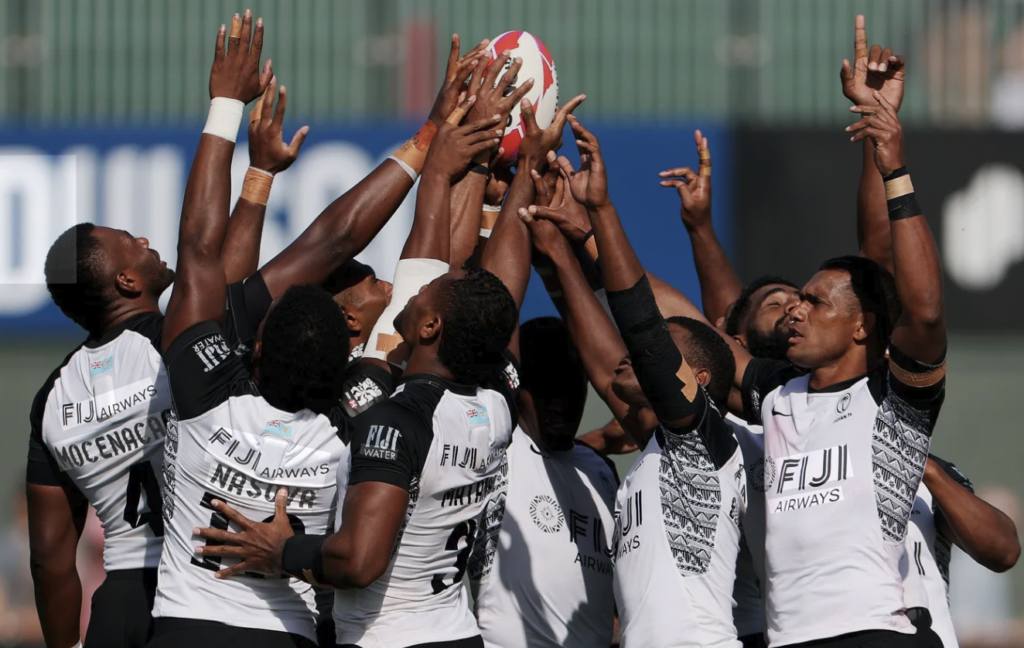
Alongside elite rugby, visitors can watch or take part in competitions across six sports — rugby, netball, cricket, WODON3 fitness, Rebound padel and Gaelic Football.
Gaelic Football will join the festival for the first time in 2026.
The Sevens Stadium will also host the opening round of the HSBC SVNS Series 2027, bringing the world’s leading rugby sevens players to Dubai.
The WODON3 Elite final will take place on Pitch 1 between HSBC SVNS matches, with competitors potentially performing in front of crowds of up to 20,000.
Music all weekend

Live entertainment will run throughout the festival, with local and international artists performing across three days.
Last year’s line-up included Tinie Tempah, Sean Paul and Fisher, while the 2026 headline acts will be announced later.
For a premium experience, The Sunroom returns with all-inclusive food and drinks, shaded seating, prime sporting views and dedicated access. Packages start from Dh1,925 per person.
With sport, music and family attractions packed into one weekend, Emirates Dubai 7s is gearing up for another big Dubai event.
Entertainment
Dubai launches ‘Dubai+’ family streaming platform to boost digital media and creative economy



Dubai Miracle Garden returns as UAE’s cooler season begins

Sultan Al Qasimi Attends Opening of 12th Sharjah Calligraphy Biennial


