
Food
Iftar deals to look out for this Ramadan

The holy month of Ramadan is upon us. Depending on the moon sighting, Ramadan should start on March 22 or 23. It means different working hours, different lifestyle and change in food habits as people from Muslim faith observe a month of prayers and fasting to renergise the body and soul from within.
Even though Ramadan is a period of fasting, food is central to Ramadan. Fasting means many people do not eat during daylight hours, which makes Iftar the most special time in the evenings when everyone ends their day spending quality time with family and friends.
Iftar is the time you replenish energy levels so every effort should be made to consume foods from all major food groups: fruit and vegetables, rice and alternatives, as well as meat and alternatives (which include dairy). And F&B outlets in the UAE come out with special offerings to partake in this special occasion for their customers, and themselves too.
Here are some of the offerings we have lined up so far (please visit this space for more deals and details):
KRIS WITH A VIEW
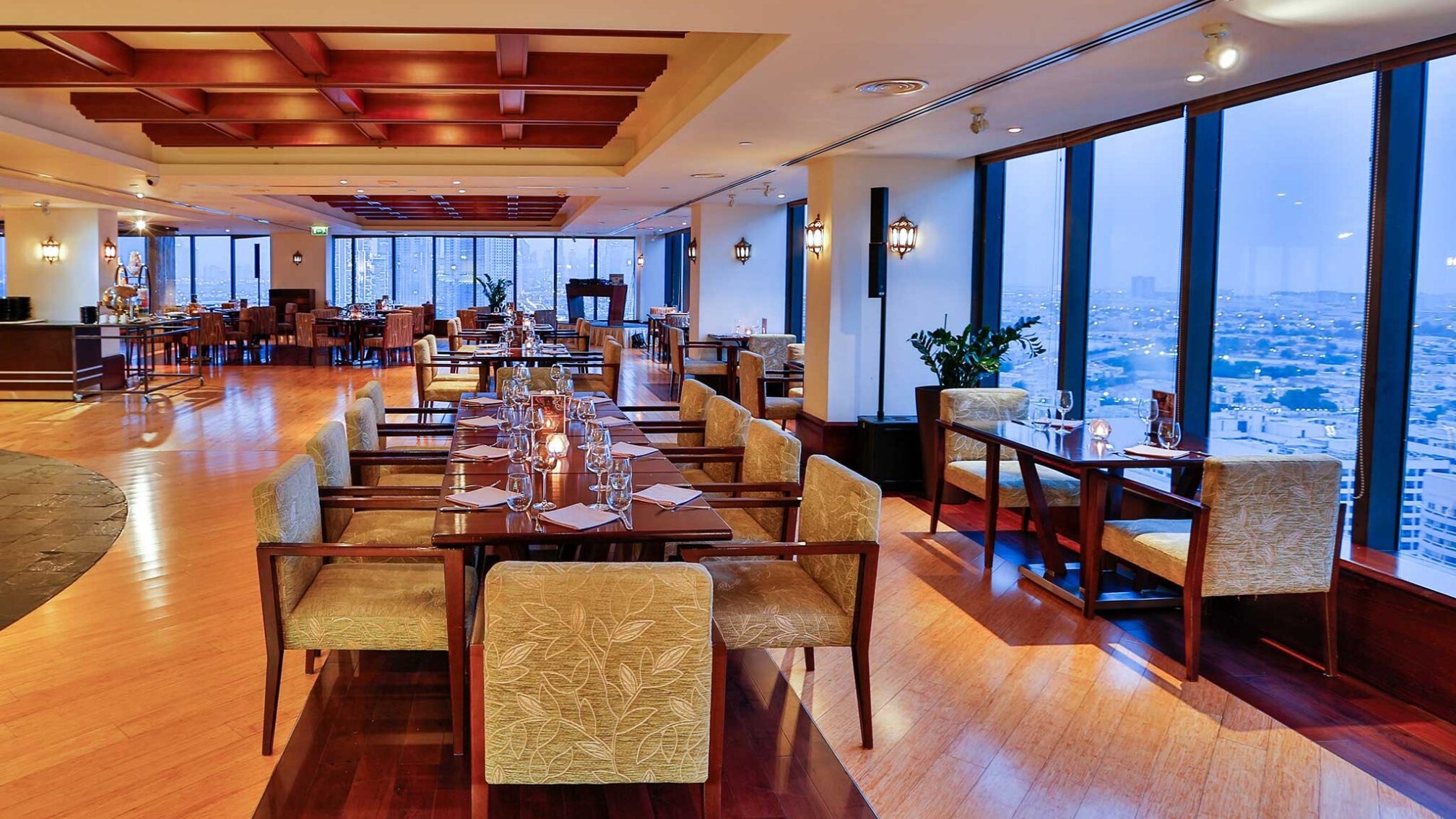
Elevate your Iftar experience with a magnificent 360° view of the bustling city of Dubai at Kris With A View and Lounge of the Park Regis Kris Kin hotel in Karama.
The faithful can break their Ramadan fast during the holy month at Kris With A View on the 19th floor where diners are spoilt for
choice with selections to suit each palate amidst postcard sceneries of Dubai at dusk.
Diners are taken on an international sojourn of culinary creativity combining the traditional flavours of Ramadan. There are timeless classics such as Lamb Ouzi and Shawarma, traditional regional recipes such as Kibbeh Bil Laban, Chicken Couscous, Oriental Mixed Grill and Samak Mashawi, and Asian and Continental specials such as Hyderabadi Chicken Biryani, Malaysian
Fish Curry, Baked Mussels, and Penne Alfredo, to name just a few.
Those with the ubiquitous sweet tooth will relish in an array of desserts from Basbousa, Pistachio Mohalabia to Baked Yoghurt, Umm Ali and many more. Ladies also get a complimentary henna with the resident artist.
Available throughout Ramadan from Maghrib to 11pm, the iftar is priced Dh120 per adult, Dh60 for children from 6 to 12 years while children 5 years or younger dine for free.
Kris With a View,
19th floor, Park Regis Kris Kin Hotel
Al Karama, Dubai
For bookings, call: +971 4 377 1184
@parkregiskriskin / @kriswithaviewdubai
MYGOVINDA’S
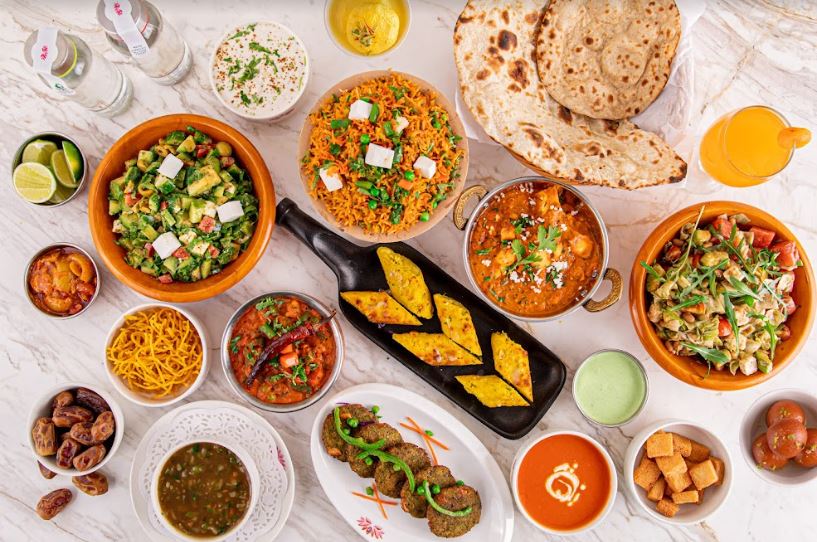
Ramadan is not all about meat. And so MyGovinda’s, the vegetarian food place famous for its Great India Thali or multi-course meals, is back with an incredible iftar spread. The delectable 5-course set menu for two and four people comes at just AED 89 and AED 179 respectively.
Giving a taste of everything refreshingly light and invigorating and offering fan-favourites such as Greek salad, beetroot hummus, piquant soups, savoury kebabs and sweets, MyGovinda’s is all set to win hearts this Ramadan. What makes MyGovinda’s different from any other vegetarian foodie hotspot is its adherence to the Satvik diet (no onion and garlic as ingredients that presents nourishing soul foods that are great for health.
- Time: 6.45pm to 8.30pm
- Where: Any MyGovinda’s Outlet
- IG: https://www.instagram.com/mygovindas/
BAOFRIEND
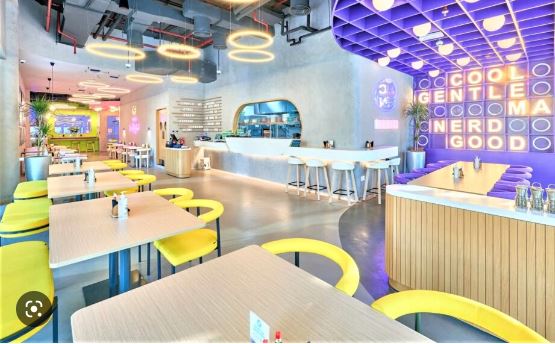
Combining the slightly sweet and fiercely tangy with the spicy sizzle of Asian fusion cuisine, Baofriend brings an exquisite iftar spread that is inspired by the bustling food streets. Starting from sundown to 10 pm every evening, Baofriend’s four-course set menu promises to treat the patrons’ tastebuds.
Along with assorted Turkish sweets and dates, the feast includes Bala-Bala, an Asian fritter made out of vegetables and served with tangy and spicy Thai sweet-chilli sauce, Gado-Gado, the well-loved mixed vegetable salad topped with creamy peanut sauce and crunchy crackers, and the miso lentil soup, a hearty and nutritious family favourite, which is sure to gratify customers.
Patrons can then choose a main course from delicious mains such as chicken wok-fried noodles that are cooked to perfection with crunchy mixed vegetables, bokchoy, and oyster sauce, Hambagu rice, one of Baofriend’s top favourites that comes with a succulent Wagyu beef patty, spicy cucumber, and irresistible Japanese slaw. The spread will also offer Kimchi ramen with chicken for those who love a bit of spicy and tangy, handcrafted by Baofriend’s incredible Indonesian chef and served with kimchi broth, bokchoy, and sesame.
Desserts include pisang goreng with crispy fried plantain served with vanilla ice cream and amazingly luscious dulce de leche that promises to transport guests to gastronome heaven. Guests can also get their hands on ‘Es Campur’ a cold Indonesian mixed-ice concoction made with jackfruit, avocado, grass jelly, and more. Head to Baofriend’s Dubai Silicon Oasis outlet during Ramadan for just AED 69 per person.
- Time- Sunset – 10 PM
- Contact- 04 287 5120
- Address- Building A3, Dubai Digital Park, Dubai Silicon Oasis, Dubai, UAE
- Instagram – baofrienduae
- Website- http://www.baofriend.com

BELGRAVE
For those in Abu Dhabi, an indulgent treat awaits you at Belgrave. Relish Persian flavours and hospitality from the London-born restaurant at the UAE capital with an ‘All You Can Eat’ offer at an exciting price point. You will love the distinctive amalgamation of delicious Eastern cuisines with a Western twist.
The Iftar feast will begin with a hearty special soup of the day. This is followed by a choice of unlimited main course, a basket of mixed herbs and bread, and a choice of either salad Shirazi or mast kheer. Entrees include rich and succulent lamb koobideh grilled to perfection and containing a wonderful balance of spices and herbs, served with aromatic rice. Guests can also pick from Belgrave’s moist and flavourful chicken koobideh, their signature chicken masti, top favourite chicken zafrani or savoury chicken reyhani, all served unlimited, and grilled to delightful perfection, each complementing the multiple palates and preferences of each patron.
The Belgrave fan-favourites will be available for takeouts daily from 5 pm onwards and for dine-in from 6.30 pm to 2 am. Belgrave’s Ramadan Special Boxes include sunrise meals also, which means these savoury offerings can be relished at home and outside or gifted as well.
- Where: Red Crescent building, 1st Floor – Al Rawdah – Abu Dhabi
- Offer: Unlimited
- Price: 105aed per person
- IG: https://www.instagram.com/belgrave.ad/

LAPA EATERY
Lapa Eatery, a Dubai-based venue celebrating clean eating and well-being, has announced a nourishing Ramadan spread where an array of gluten, dairy and preservative free options to choose from a delectable spread. Its exclusive iftar and suhoor offers include foods that are light and wholesome, rejuvenating the fasting ones physically and spiritually.
Some of the menu highlights include a creamy butternut hummus, pumpkin or balila soups, spicy-savoury shakshuka, creamy eggplant avocado on toast, baked falafels, gluten-free fiery chicken quinoa biryani, Karan beef bowl, and more.
Though Ramadan is for those who are hitting puberty at the start of the spectrum, many children start fasting much earlier. The restaurant’s kids’ menu is a knockout win baked sweet potato chips, margarita pizza with homemade cauliflower and broccoli base, beetroot and carrot-based pancakes topped with caramelised peaches and mixed forest berries.
- Ramadan Suhoor package for one costs AED 110 and only AED 189 for two.
- Ramadan Iftar package for one costs AED 125 and only AED 199 for two.
- Time: 10am – 12am
- Where: Lapa Eatery, Jumeriah
- IG: https://www.instagram.com/lapa_eatery/
If you know of any Iftar deals you think are worth mentioning, send an email to info@headline.ae.





Food
Behind the UAE’s crackdown of food institutions: What it takes for a restaurant to get named, fined or closed


Very recently, the Abu Dhabi Agriculture and Food Safety Authority (ADAFSA) ordered the temporary administrative closure of Noble Catering Services in the Al Dhafra Region after identifying repeated food safety violations. The authority said it posed a risk to public health. The establishment was found to be in breach of laws concerning food, as well as related food safety regulations.
The closure is the latest in a growing series of enforcement actions taken against restaurants, catering companies and other food establishments across the UAE. In recent months, authorities have increasingly announced temporary closures, administrative fines and other penalties against businesses found to have committed serious or repeated food safety violations.
While such actions may give the impression that regulators are responding to a surge in unsafe food practices, the trend reflects something broader: A shift towards more transparent, risk-based inspections and stricter controls on a rapidly expanding hospitality sector.
Rather than signalling a widespread decline in food safety standards, officials say the public disclosure of enforcement actions is intended to protect residents, encourage compliance and strengthen confidence in the country’s food regulatory system.
The recent closures are not evidence of a sudden deterioration in food safety. Rather, they reflect a shift in how regulators enforce compliance and communicate risks to the public.
Naming and shaming

For years, restaurant inspections largely took place behind the scenes, with operators typically given opportunities to rectify shortcomings before facing stronger penalties. Today, however, authorities are increasingly making decisions public, naming businesses that fail to address repeated violations or are found to pose an immediate risk to public health. The change marks a new phase in the UAE’s food safety strategy, one where public accountability is becoming as important as regulatory compliance.
For example, in Abu Dhabi, ADAFSA took action against Amina Restaurant, citing serious food safety violations that threatened public health and repeated non-compliance despite previous warnings. Similarly, Index Restaurant in Mussafah Industrial Area was ordered to close after inspectors found repeated breaches of food safety regulations and determined that the establishment had failed to implement the corrective measures required following earlier inspections.
Beyond these individual cases, authorities have temporarily closed several cafeterias, cafés, butcheries and snack shops across Abu Dhabi and Al Ain.
The violations commonly cited include poor hygiene standards, unsafe food handling practices, improper storage of food at required temperatures and repeated failures to comply with food safety regulations despite receiving notices from inspectors.
A pattern, not isolated cases

Enforcement actions have recently affected a variety of businesses, from neighbourhood cafeterias and shawarma outlets to full-service restaurants and butcheries.
Authorities have cited establishments for violations including:
- Poor kitchen hygiene
- Pest infestations
- Improper food storage temperatures
- Cross-contamination between raw and cooked foods
- Expired or spoiled ingredients
- Failure to maintain cleaning records
- Employees not following food safety protocols
- Ignoring previous inspection notices
In many cases, authorities specifically stated that closures followed repeated violations and the failure to implement corrective measures after multiple inspections, rather than a single offence.
Is this a widespread crackdown?

In Abu Dhabi, yes. ADAFSA reported that:
- 69 food establishments were closed over 18 months.
- 55 closures occurred during 2025.
- 14 additional closures occurred during the first part of 2026.
- The authority also received more than 7,000 consumer complaints over that period, which helps guide inspections.
Closure is usually the last step

Food businesses generally move through several stages before being ordered to close.
The process typically includes:
- Routine inspection
- Identification of violations
- Warning or improvement notice
- Follow-up inspection
- Administrative fine
- Temporary closure if violations continue or public health is at immediate risk
Only where inspectors believe there is a direct threat to consumers can authorities immediately suspend operations.
Officials consistently emphasise that closures are designed to remove health risks—not to punish businesses.
Why now?
Several developments have converged.
1. Greater transparency
Perhaps the biggest change is that authorities are increasingly making enforcement public.
Instead of quietly issuing closure orders, agencies now publish the names of restaurants, photographs of premises and the reasons for action.
This serves several purposes:
- Informing consumers
- Encouraging industry-wide compliance
- Deterring repeat offenders
- Demonstrating regulatory accountability
The message is clear: food safety is becoming a matter of public record.
2. Post-pandemic food safety expectations

Covid-19 permanently changed expectations around hygiene.
Consumers today pay much closer attention to:
- Cleanliness
- Food handling
- Kitchen practices
- Employee hygiene
Governments have responded by strengthening inspection regimes and increasing monitoring of food establishments.
While today’s closures are not directly linked to COVID-19, the pandemic accelerated the emphasis on public health oversight.
3. Growing hospitality sector
The UAE’s restaurant market has expanded rapidly.
Every year, hundreds of new:
- Restaurants
- Cafes
- Cloud kitchens
- Bakeries
- Catering companies
enter the market.
More businesses inevitably mean:
- More inspections
- More complaints
- Greater variation in compliance standards
Regulators have therefore adopted more risk-based inspection systems.
4. Risk-based enforcement
Modern inspection programmes no longer inspect every business equally. Authorities instead prioritise establishments based on factors such as:
- Previous inspection history
- Number of customer complaints
- Type of food served
- Volume of customers
- Potential public health risk
Businesses with strong compliance records may be inspected less frequently, while repeat offenders receive closer scrutiny.
This allows inspectors to focus resources where risks are greatest.
Safety for diners

For diners, increased transparency provides greater confidence in the food system.
Public disclosure enables consumers to make informed choices while reassuring them that authorities are actively monitoring food businesses.
Importantly, officials stress that the overwhelming majority of licensed restaurants comply with food safety regulations. The establishments that are publicly named represent a relatively small proportion of the UAE’s extensive hospitality industry.
Authorities receive thousands of complaints every year from residents.
Common complaints include:
- Food poisoning
- Unclean premises
- Foreign objects in food
- Spoiled food
- Poor employee hygiene
Complaint data increasingly influences inspection priorities.
If multiple customers report similar issues about one establishment, inspectors may conduct unannounced visits.
Abu Dhabi leads public enforcement trend

Abu Dhabi has become the most visible example of this new approach.
The Abu Dhabi Agriculture and Food Safety Authority (ADAFSA) regularly publishes administrative closure decisions, explaining that the affected establishments posed risks to public health and had failed to correct violations despite repeated notices.
The authority has also introduced the Zadna Rating system, which provides consumers with a visible indication of a restaurant’s food safety performance, encouraging operators to compete on hygiene as well as food quality.
The Dubai approach

Dubai Municipality has long operated one of the region’s most sophisticated food inspection systems.
Rather than frequently announcing closures, Dubai has traditionally focused on:
- Regular inspections
- Food safety ratings
- Improvement notices
- Administrative penalties
Only significant violations or repeated failures generally become public.
The overall objective remains the same: prevention rather than punishment.
The recent closures should not be viewed simply as a crackdown on restaurants.
They represent the evolution of food regulation in a country positioning itself as a global tourism and hospitality destination. As the UAE attracts more international visitors, hosts major global events and expands its culinary sector, maintaining high food safety standards becomes both a public health necessity and an economic priority.


Sharjah Calligraphy Biennial 2026 opens October 7 with 681 artworks by 272 artists

Dubai-born HOP Events targets 25 cities in global expansion


