Connect with us

Lifestyle

Dubai named best destination for family holidays

Published

on

Spread the love

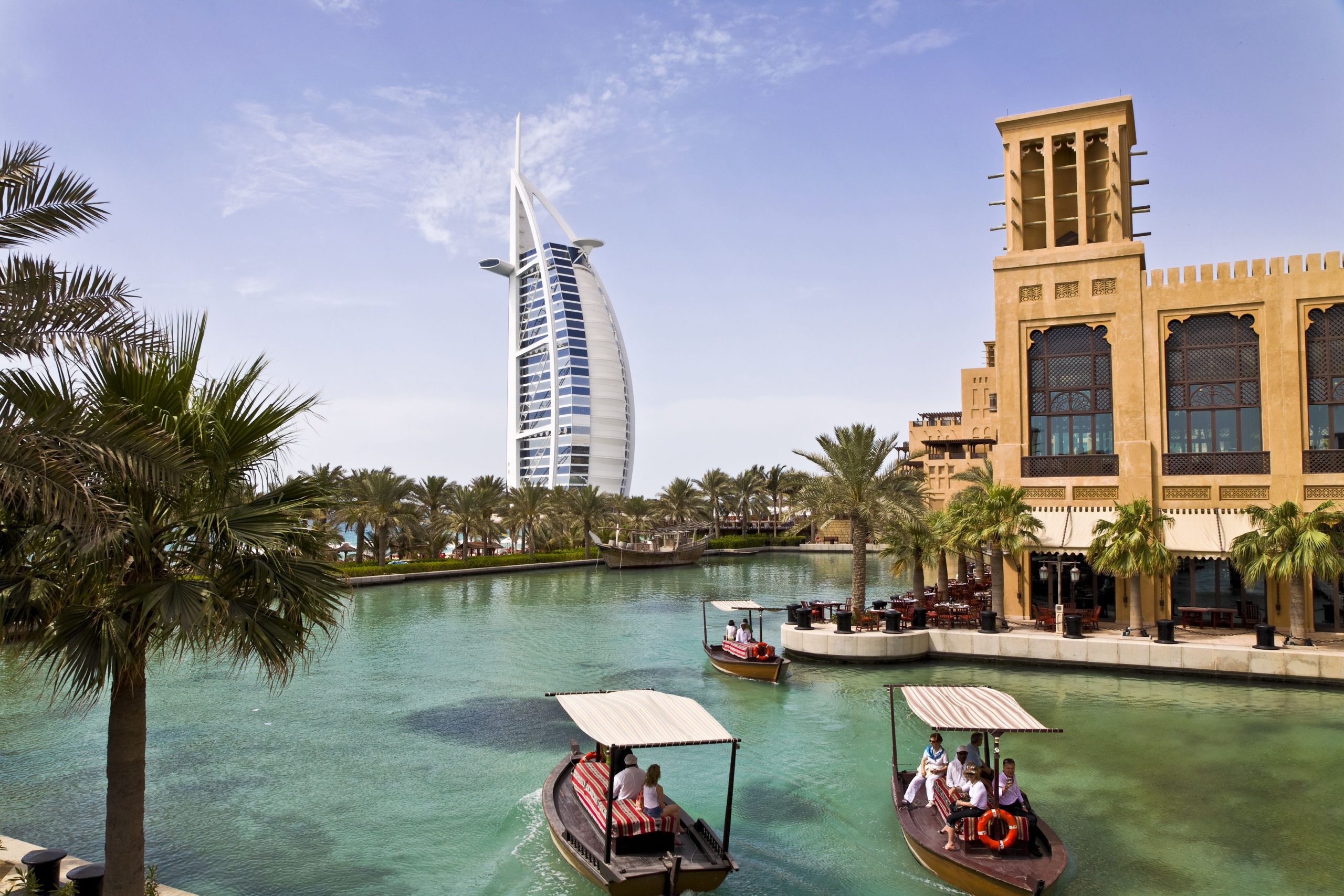
Dubai is the number one go-to destination for family holidays, according to a recent survey by travel insurance comparison site InsureMyTrip.

The site compared various destinations against relevant travel data such as the quality of family hotels, attractions, beaches as well as general safety.

Cities were ranked from most to least suitable as potential destinations for family vacations.

Among 62 cities, Dubai ranked first, with a rating of 7.42 out of 10.

It was followed by Sri Lanka, Turks and Caicos, Barbados and Corfu in Greece.

People enjoying the Sunday holiday with their family members at the Kite beach in Dubai. Pawan Singh / The National

Out of the seven categories, Dubai ranked highly in five, including area safety (10), quality of family attractions (10), weak ocean current (9.75), and sea temperature (7.7).

“Dubai is fast becoming a family-friendly wonderland, offering access to a variety of theme parks,” said InsureMyTrip. “It’s deemed one of the safest cities in the world and is becoming a more affordable destination for families, offering all-inclusive resorts with an array of activities.”

Dubai has earned recognition by The Blue Flag Scheme and named ‘Best Global Destination’ in Tripadvisor Travellers’ Choice Awards.

Announcements

Dubai brings mobile immigration to airports with ‘Click & Travel’

Published

on

Spread the love

Dubai is changing the way some passengers pass through immigration, with a new mobile system that allows officers to process travellers without requiring them to approach a traditional immigration counter.

Called Click & Travel, the service uses handheld devices equipped with biometric verification, facial recognition and electronic passport-reading technology. GDRFA Dubai officially launched it on 7 September after testing it on more than 31,000 passengers.

The move raises an obvious question: if immigration officers can now move around the terminal with the technology needed to clear passengers, how much will the traditional passport-control process actually change?

And what does Click & Travel mean for travellers who are already familiar with Dubai’s smart gates?

Here is how the new system works.

What is Click & Travel?

Click & Travel is a mobile passport-control service that allows immigration officers to complete passengers’ arrival and departure procedures using handheld devices.

Rather than every traveller having to approach a fixed immigration counter, officers can take the device to the passenger and carry out the necessary checks there.

The system is connected securely to official databases, giving officers access to the information needed to verify a traveller and complete the immigration process.

It is designed to work alongside Dubai’s existing immigration infrastructure, rather than replace it.

How does it work?

The handheld system brings several parts of the immigration process together.

It can read electronic passports, verify biometric information and use facial recognition. Automated checks are also carried out as part of the process.

Once the passenger’s details have been verified, the officer can complete the relevant immigration procedure through the device.

The key difference is that the technology is no longer tied to a fixed desk.

How fast is it?

GDRFA Dubai says a Click & Travel transaction takes around 12 to 15 seconds.

During the trial period, the system processed 31,373 passengers, allowing authorities to assess how it performed in real airport conditions before its official launch.

Who can use Click & Travel?

The service is available to:

  • UAE nationals
  • UAE residents
  • GCC nationals
  • Visitors

It can be used for both arrivals and departures at Dubai’s airports.

Does it mean immigration counters are going away?

No.

Click & Travel is an additional way of processing passengers, rather than a wholesale replacement for conventional immigration counters.

The system gives airport staff more flexibility over where immigration procedures take place.

That could be useful during busy periods, when passenger flows need to be adjusted, or when certain travellers would benefit from being processed where they are rather than having to move to a fixed counter.

What about Dubai’s smart gates?

Click & Travel does not replace the smart gates.

Dubai International Airport already uses automated passport-control systems that allow eligible passengers to complete immigration with minimal interaction with an officer.

The new service works differently.

With a smart gate, the passenger goes to the technology.

With Click & Travel, the technology can go to the passenger.

That distinction is at the heart of the new system.

Why is Dubai introducing it?

For airport authorities, flexibility is one of the main attractions.

Passenger numbers can fluctuate considerably during the day, and airports need to be able to respond when particular areas become crowded.

A fixed immigration counter cannot easily be moved. A handheld device can.

The system therefore gives immigration teams another way to manage passenger flows and potentially reduce the time travellers spend waiting at fixed points.

Can children and People of Determination use it?

Yes.

The mobile nature of the system could be particularly useful for passengers who need additional assistance.

Children and People of Determination can be processed without necessarily having to approach a conventional immigration counter, with the officer able to bring the device to them.

When was it first tested?

Click & Travel has been in development for almost a year.

The first trial began in October 2025 at Terminal 3 of Dubai International Airport, initially focusing on families.

A second phase began in May 2026, expanding the trial across Dubai’s airport terminals and to different categories of travellers.

Following the trial, GDRFA Dubai officially launched the service on 7 September 2026.

What does it mean for passengers?

For travellers, there is no new app to download or separate procedure they need to learn.

The change is largely behind the scenes.

Passengers may still use smart gates or traditional immigration counters, depending on their circumstances. But where Click & Travel is used, an immigration officer can complete the process away from a fixed desk.

The broader aim is to make the journey through immigration quicker and more adaptable, particularly when airports are dealing with heavy passenger traffic or travellers who require additional assistance.

Could this change the way airport immigration works?

Click & Travel is part of a wider shift towards technology-based immigration at Dubai’s airports.

Smart gates have already reduced the need for some face-to-face passport checks. Biometric technology has made identity verification increasingly automated.

Click & Travel adds another possibility: keeping the immigration officer, rather than the passenger, mobile.

For now, it is another option within Dubai’s passport-control system.

But its introduction suggests that the future of airport immigration may not be defined by how many counters an airport has — but by how easily the technology can move to wherever passengers need it.

Continue Reading

Announcements

Emirates Unveils Electric Privacy Screens in Premium Economy

Published

on

Spread the love

Emirates is taking its award-winning Premium Economy cabin up another notch, introducing what it says is the world’s first electrically powered Premium Economy seat with a full-height adjustable privacy screen.

The new seats will debut aboard the airline’s newly delivered Airbus A350 aircraft, giving passengers greater control over their personal space while adding a host of comfort and technology upgrades to the cabin.

Configured in a spacious 2-3-2 layout with just 28 seats, Emirates’ latest Premium Economy cabin features seats measuring 20 inches wide, with up to 39 inches of pitch. The seats recline into a cradle position designed to provide a more comfortable sleeping experience without encroaching on the passenger behind.

At the centre of the new design is the electrically operated privacy divider. Passengers can raise or lower the screen at the touch of a button and lock it at their preferred height, creating a more secluded space for working, dining or relaxing.

The new seats are also Emirates’ first fully electrically powered Premium Economy seats. Through an integrated Passenger Control Unit, travellers can adjust their seating position and select dedicated settings including lounge and meal modes.

More comfort, from head to foot

Emirates has also introduced Safran Seats’ U-Dream headrest, a leather design featuring adjustable wings that can be positioned to provide additional support for the head and neck.

A manually deployable leather footrest adds another layer of comfort, particularly on long-haul flights, helping passengers relax and reduce leg fatigue.

For passengers travelling with multiple devices, the cabin introduces wireless charging in Premium Economy for the first time on Emirates. Each seat also comes with USB-C charging and a redesigned tray table featuring an integrated phone holder, allowing travellers to use their smartphone as a second screen while eating or watching content.

A sharper entertainment experience

Passengers on the new A350s will have access to Emirates’ ice inflight entertainment system through a 13.3-inch 4K HDR touchscreen, offering high-resolution images and faster, more responsive navigation.

The aircraft itself will also provide an enhanced view of the journey. New A350 aircraft will feature additional exterior camera perspectives, adding left- and right-facing views to the existing forward and downward cameras.

Premium dining remains part of the experience

The upgraded seat comes alongside the dining service that has helped distinguish Emirates Premium Economy from many competing products.

Passengers are served regionally inspired menus prepared by Emirates chefs, with meals presented on Royal Doulton fine china, accompanied by linen napkins and stainless-steel Robert Welch cutlery.

The beverage programme includes Chandon Vintage Brut 2021, an Australian sparkling wine available exclusively to Emirates Premium Economy customers worldwide.

From September, passengers on selected routes can also expect wines including Chablis Premier Cru Jean-Marc Brocard 2024 from Burgundy and La Parde de Haut-Bailly 2014 from Bordeaux.

October will bring another first, with Wiston Estate Brut NV becoming Emirates’ first English sparkling wine. It will be served exclusively in Premium Economy on UK routes.

Emirates says it has invested more than US$1 billion in its wine portfolio since 2006, underscoring the importance the airline places on its onboard beverage programme.

Sustainable amenity kits add another touch

On long-haul flights, Premium Economy passengers will also receive reusable amenity kits created in partnership with United for Wildlife.

The collectible bags are designed around endangered wildlife and four natural habitats, with bio-based materials used throughout. For the first time in Emirates Premium Economy, the kits will include plant-based skincare products from Aveda, alongside travel essentials such as socks, eyeshades, earplugs and dental kits.

Emirates continues to expand Premium Economy

Emirates launched Premium Economy in 2022 as a product positioned between its Economy and Business Class cabins. Since then, the airline has steadily expanded the cabin across its fleet, with the product now available across markets served by its Airbus A350 aircraft.

The latest generation is clearly designed to push Premium Economy closer to the Business Class experience, combining wider seats, generous legroom, greater privacy, upgraded dining and high-end entertainment.

The product has already collected several industry accolades, including Best Premium Economy Class at the Business Traveller Middle East Awards in 2024 and 2025, as well as Airline with the Best Premium Economy Class at the 2025 ULTRAs Awards.

With the introduction of its electrically powered seat and full-height privacy screen, Emirates is once again betting that the future of Premium Economy will be defined not simply by extra legroom, but by greater personal space, technology and control.

For passengers, that could mean a Premium Economy seat that feels less like an upgraded economy chair — and increasingly like a private space of its own.

Continue Reading

Health

Dubai’s strict new medical rules: Why doctors, clinics and influencers face tough social media limits

Published

on

Spread the love

If you scroll through medical feeds in Dubai, you’ve probably seen your share of ‘miracle’ transformations, ‘magic’  fixes, and glowing influencer reviews. That era is coming to a hard stop.

The Dubai Health Authority (DHA) has rolled out sweeping new social media guidelines targeting every licensed doctor, clinic, and hospital promoting services across platforms like Instagram, TikTok, YouTube, Snapchat, Facebook, LinkedIn, and WhatsApp.

Here is a breakdown of what is changing, what is officially off-limits, and how it impacts anyone creating medical content in the emirate.

1. Hype words are banned

The DHA is tackling exaggerated claims that give patients unrealistic expectations. If you are promoting a procedure, you can no longer describe it with words like:

  • Miraculous or magic
  • The best, unique, or incomparable
  • 100%, certain, or guaranteed success
  • Zero side effects or immediate results
  • Pioneer, famous, or exclusive

Any promo promising money-back guarantees, taking cheap shots at competitor clinics, or slamming government entities is strictly barred.

2. Influencers face direct accountability

Partnering with influencers won’t create a legal loophole. If an influencer features a clinic, treatment, or outcome, the content must be reviewed and signed off by the facility’s medical director before it goes live.

Even if an influencer shoots a reel on their personal phone inside a clinic or shares it to their private profile, the clinic itself is held legally responsible.

3. Strict rules on professional titles

Doctors and staff can only use the exact job titles printed on their official DHA licenses. Vague or buzzy marketing labels like Beauty Expert, Anti-Ageing Specialist, Cosmetic Specialist, or Cosmetologist are no longer permitted.

Additionally, the title Dr is reserved exclusively for physicians, dentists, and holders of recognised PhD degrees attested by the UAE Ministry of Education.

4. No surgery live-streams and tighter photo rules

The rules also clamp down on patient imagery:

  • Operating Rooms: Filming or live-streaming promotional videos during minor or major surgeries, or while a patient is under anaesthesia, is completely banned.
  • Before-and-After Shots: Photos must show the same patient, captured with the same camera lens, completely unedited, and paired with a clear disclaimer stating that results vary.
  • Consent: Facilities must secure written consent before posting any patient’s image, video, or review (with parental consent mandatory for anyone under 18).

5. Separate accounts for visiting doctors

Doctors who divide their practice between Dubai and overseas can no longer mix their feeds. They are required to run a dedicated, Dubai-specific account that aligns fully with DHA standards, even when sharing content involving treatments done abroad.

6. Medical directors in the hot seat

Medical directors are now tasked with policing internal output. They must approve every social post mentioning the facility, archive content for unannounced DHA audits, designate moderators, and run regular staff training on what is legally acceptable.

The update forms part of the DHA’s wider 2022–2026 strategy to clean up digital medical marketing, respect local cultural values, and make sure patients get realistic, evidence-based healthcare information.

Continue Reading

Popular

© Copyright 2025 HEADLINE. All rights reserved

https://headline.ae/