Connect with us

UAE

UAE prioritises citizen safety with new travel restrictions

Published

on

Spread the love

The Ministry of Foreign Affairs (MoFA) has announced a temporary travel ban for UAE nationals to Iran, Lebanon, and Iraq.

In its statement, the Ministry emphasised that the move comes as part of precautionary measures to safeguard the well-being of Emiratis abroad. UAE nationals currently in these countries are urged to expedite their return home and to strictly follow official advisories.

MoFA also highlighted its commitment to monitoring the safety of citizens overseas, calling on those in Iran, Lebanon, and Iraq to contact the Ministry directly at +97180044444 for assistance.

This latest advisory underscores the UAE’s proactive approach to ensuring the security and welfare of its people during times of heightened regional uncertainty.

With over 35 years of experience in journalism, copywriting, and PR, Michael Gomes is a seasoned media professional deeply rooted in the UAE’s print and digital landscape.

News

Five-day UAE National Day break: Residents to enjoy long weekend

Published

on

Spread the love

UAE residents can look forward to a five-day break for the country’s 55th National Day, with the government announcing a three-day paid holiday for employees in the public sector.

December 2, 3 and 4 have been declared public holidays for ministries and federal entities. Regular working hours will resume on Monday, December 7.

With Saturday and Sunday already forming the weekend for many employees, the announcement creates a five-day break for those following the standard two-day weekend.

Eid Al Etihad, as the National Day celebrations are officially known, traditionally falls on December 2 and 3. The addition of Friday, December 4, means public sector employees will not need to take annual leave to extend their holiday over the weekend.

How the UAE holiday transfer rule works

A law introduced in 2025 allows certain public holidays to be transferred to the beginning or end of the week when they fall mid-week. The measure is intended to create longer consecutive breaks for residents.

The rule was applied to last year’s National Day holiday. December 2 and 3, which fell on Tuesday and Wednesday, were moved to December 1 and 2, Monday and Tuesday, giving residents a four-day break when combined with the weekend.

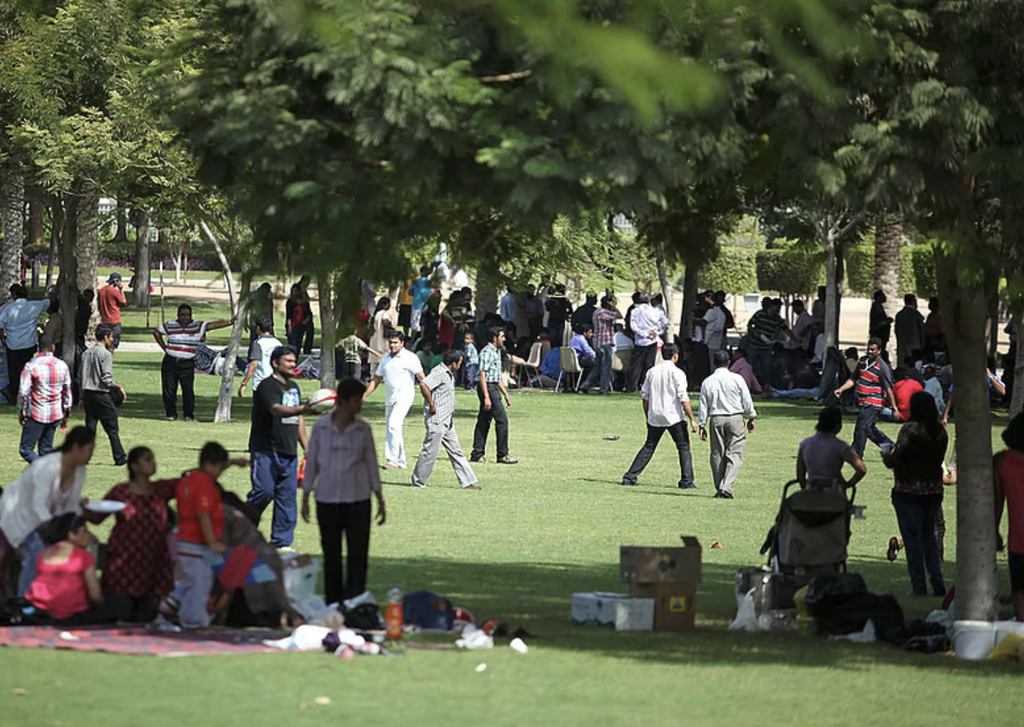
Long weekends often provide an opportunity for residents to plan holidays, staycations, family gatherings or simply enjoy time off. The National Day break is among the major dates on the UAE’s annual holiday calendar, coinciding with the cooler winter season.

Celebrating with communities
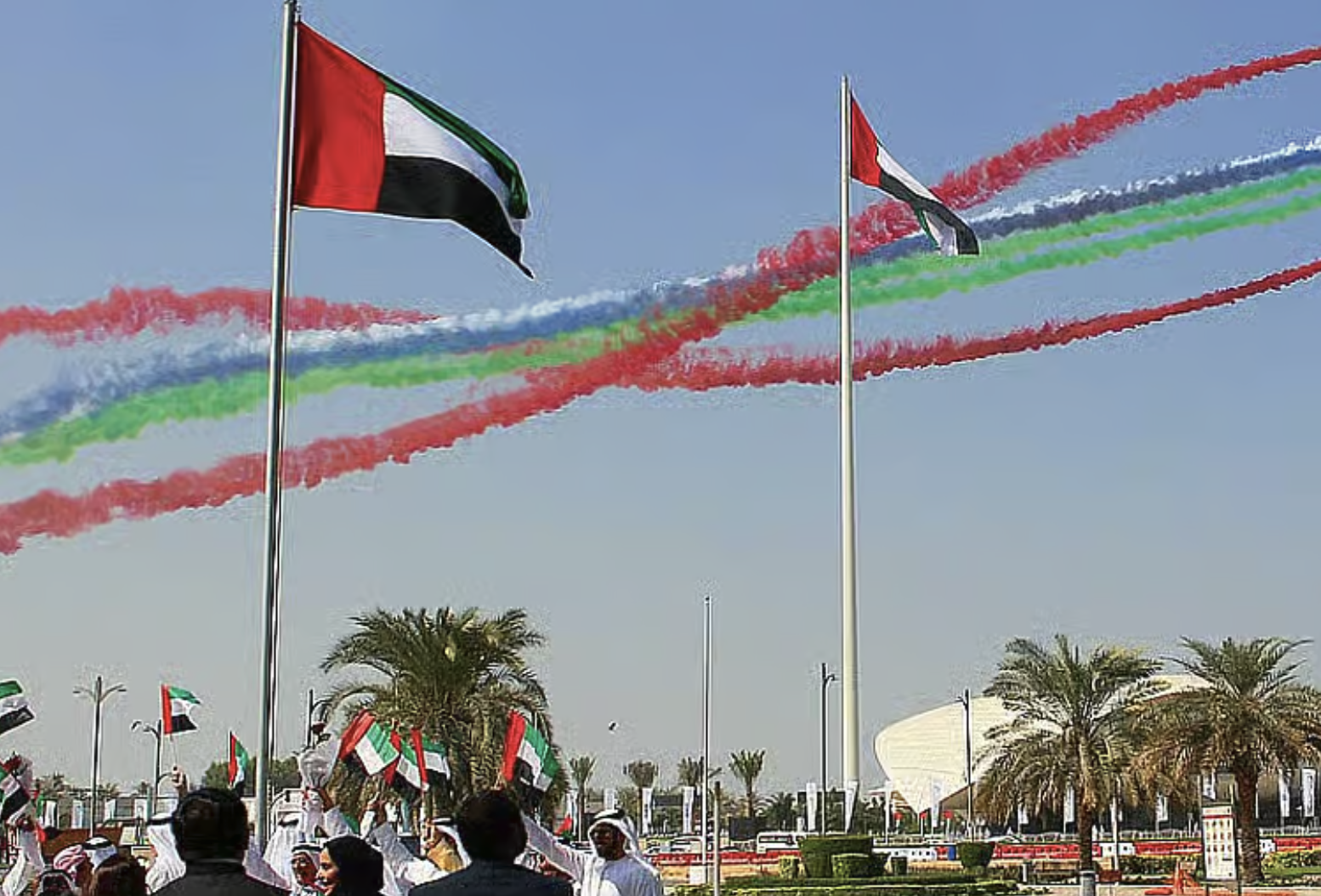
Eid Al Etihad commemorates the unification of the seven emirates in 1971 and the formation of the United Arab Emirates. The country marks 55 years of the Union in 2026.

This year’s celebrations will place families, generations and communities at the centre, recognising the people and shared experiences that have shaped the UAE over the past 55 years. Eid Al Etihad will celebrate the nation as a “family of families”, highlighting the sense of belonging and unity among citizens and residents.

Continue Reading

News

UAE federal government employees to get five-day Eid Al Etihad break

Published

on

Spread the love

Federal staff will get three official public holidays from December 2 to 4, creating a five-day break when combined with the weekend

Federal government employees in the UAE will enjoy a five-day break in December after the government announced a three-day holiday to mark the country’s 55th Eid Al Etihad.

According to the UAE Government Media Office, the official holiday will run from Wednesday, December 2, to Friday, December 4, 2026.

With the holiday falling alongside the regular Saturday and Sunday weekend, federal government employees will have five consecutive days off. Official working hours will resume on Monday, December 7.

UAE marks 55 years of Eid Al Etihad

The holiday commemorates the UAE’s 55th Eid Al Etihad, marking the anniversary of the country’s formation on December 2, 1971.

The occasion is celebrated across the seven emirates with national events, cultural programmes, fireworks and community activities. It is an opportunity for residents to reflect on the country’s history, achievements and development since its founding.

The December break will give federal government employees an extended opportunity to take part in the celebrations and spend time with family and friends.

Continue Reading

Announcements

UAE petrol prices rise again: New fuel rates for October revealed

Published

on

Spread the love

Filling up in the UAE is about to get more expensive, with petrol and diesel prices rising across all categories from October 1.

UAE motorists are set to feel another pinch at the pump this month after the UAE Fuel Price Committee announced higher petrol and diesel rates for October 2026.

The increase means drivers will pay more per litre across every petrol category, while diesel prices have also moved higher.

Fuel prices for October

The new rates will take effect from Thursday, October 1. Here’s what motorists will pay:

Super 98: Dh4.40 per litre
Special 95: Dh4.28 per litre
E-Plus 91: Dh4.21 per litre
Diesel: Dh4.80 per litre

That means Super 98 rises by 60 fils per litre, while Special 95 and E-Plus 91 increase by 59 and 60 fils respectively. Diesel is up by 50 fils per litre.

How much more will a full tank cost?

For motorists, the increase could quickly add up over the course of a month.

For example, filling a 50-litre tank with Super 98 will cost Dh220 in October, compared with Dh190 in September, a difference of Dh30 per fill-up.

A 50-litre tank of Special 95 will cost Dh214, compared with Dh184.50 previously.

For E-Plus 91, the same tank will cost Dh210.50, up from Dh180.50.

Diesel drivers filling 50 litres will pay Dh240, compared with Dh215 in September.

Why are fuel prices changing?

The UAE Fuel Price Committee reviews retail fuel rates at the end of each month, with prices linked to movements in global energy markets.

UAE fuel prices have experienced notable fluctuations this year. Rates fell in July after several consecutive monthly increases, before moving higher again in August and September.

The latest increase comes amid continued volatility in global and regional energy markets.

What does this increase mean for household budgets?

For people who drive every day, higher fuel prices can have an effect beyond the cost of a single trip to the petrol station.

Commuters, families and businesses that rely heavily on road travel may see their monthly transport expenses rise, particularly if they fill up frequently.

Even a relatively small increase per litre can become more noticeable when multiplied across several refuelling trips over the month.

Continue Reading

Popular

© Copyright 2025 HEADLINE. All rights reserved

https://headline.ae/