Connect with us

Companies

UK’s GKN working on £32m tech hub to cut aviation industry’s emissions

Published

on

Spread the love

The United Kingdom’s GKN Aerospace is working on a technology hub to meet the country’s carbon emission cut goals for the aviation industry.

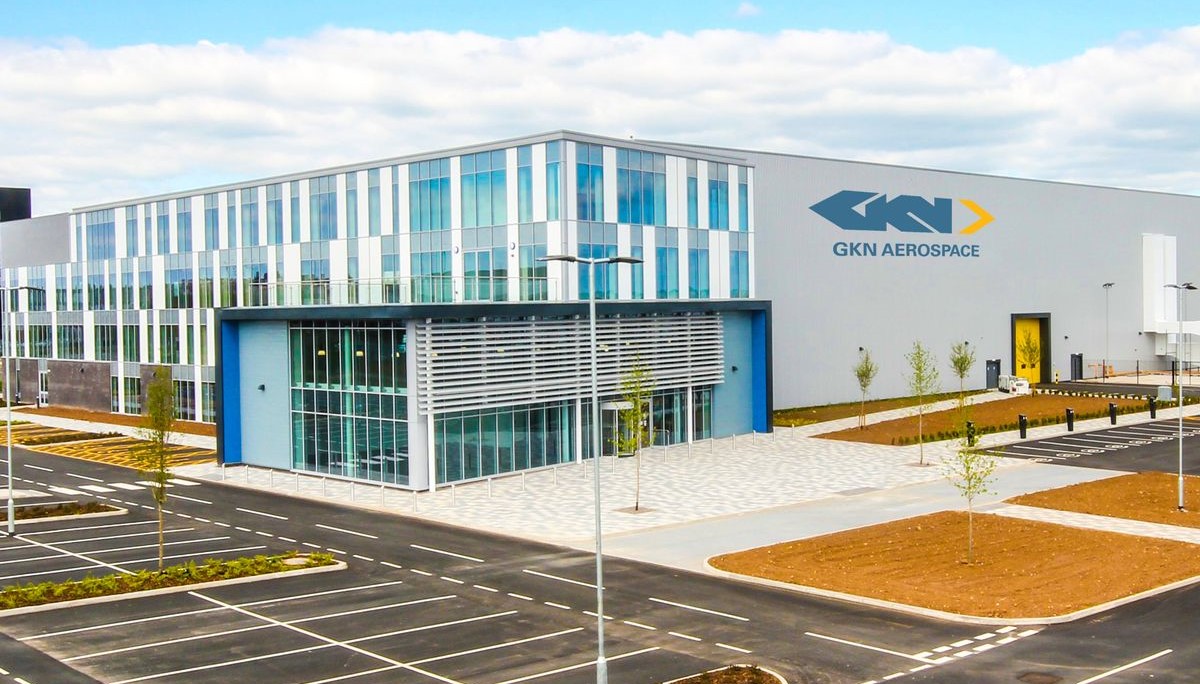
The company, which develops, builds and supplies advanced aerospace systems, components and sustainable technologies, building a £32 million technology centre on the outskirts of Bristol.

The GKN Aerospace engineers are experimenting with new types of materials to make wings and other aircraft structures. The project will be the backbone of one of three new prototypes for Airbus’ Wing of Tomorrow programme.

Funded by the British government, the technology centre’s primary focus is on decarbonising the industry. It will also help the UK retain its leading role in wing technology. Some other sectors, like automotive, have already taken significant steps towards net zero emission goals.

The purpose of manufacturing lighter and stronger wing structures, using sustainable aviation fuels, battery power and hydrogen, is to help the industry cut its emissions.

Melrose’s chief operating officer Peter Dilnot has called a groundbreaking technology for the future of flight to make aircraft more sustainable, saying that the centre will definitely maintain the UK’s leadership in wing technology.

He said that the work on Airbus’s Wing of Tomorrow programme is partially funded by the Aerospace Technology Institute (ATI), which allocates state funding for innovation in the sector. Dilnot hoped that the civil aviation industry as a whole to get back to 80 percent to 90 percent of 2019 levels by 2024.

At the technology centre, GKN and more than 20 of its partners are working on a number of different projects, including a hydrogen propulsion system for small aircraft and wings for an all-electric plane.

GKN Aerospace’s senior vice-president Chris Everett said new processes have enabled the company to cut waste by 25 percent and reduce energy consumption by 80 percent compared with traditional composite manufacturing today.

Interestingly, the three prototypes that GKN is building for the Wing of Tomorrow programme are single pieces, rather than a number of sections put together. Each piece is made up of more than 30 layers of composite.

The Bristol centre represents the future for GKN’s aerospace business, the immediate focus for the company is on improving the core business as the aviation industry recovers from the pandemic.

Announcements

Emiratisation targets 2026: What UAE private firms need to know

Published

on

Spread the love

The Ministry of Human Resources and Emiratisation (MoHRE) has confirmed that June 30, 2026, is the final deadline for private sector companies with 50 or more employees to meet Emiratisation targets for the first half of the year.

Under current rules, companies must achieve a 1% increase in Emiratisation for skilled jobs by the end of June, with another 1% increase required in the second half of 2026.

Starting July 1, firms that fail to meet the required targets will face financial penalties.

The ministry urged companies not to wait until the last minute and encouraged employers to use the Nafis platform to connect with Emirati jobseekers across multiple sectors and specialisations.

Officials said more than 50 days remain before the deadline, giving companies time to speed up hiring plans and improve compliance.

Fake Emiratisation practices

The ministry also warned against fake Emiratisation practices, saying advanced monitoring systems powered by artificial intelligence are being used to detect violations and attempts to manipulate targets.

Companies found violating Emiratisation regulations could face penalties, downgrading of their classification status and legal action.

Compliant companies may benefit from incentives under the Nafis programme, including discounts on ministry service fees and priority within government procurement systems.

Continue Reading

Companies

Workplace safety in Sharjah gets boost with new proactive team

Published

on

Spread the love

Workplace safety is getting a stronger push in Sharjah, as Sharjah Police has introduced a specialised team to help companies improve compliance with occupational health and safety standards.

The initiative, led by the General Directorate of Prevention and Safety, focuses on identifying unregistered companies, registering them within the system, and providing hands-on training and technical support under the Sharjah Occupational Safety and Health System.

For businesses and workers across the emirate, many of them part of the UAE’s diverse expat community, the move aims to create safer, more sustainable work environments while reducing workplace incidents.

Rather than waiting for issues to arise, the new team reflects a shift towards a more proactive prevention model, according to Brigadier Dr Ahmed Saeed Al Naour. The approach focuses on helping companies understand risks, meet safety requirements, and strengthen their readiness using modern safety practices.

Through field visits, training programmes, and ongoing consultations, authorities hope to raise awareness of best practices and ensure they are effectively implemented on the ground.

Officials say the initiative also supports business continuity, helping companies operate more efficiently while protecting employees, an increasingly important factor for organisations looking to attract and retain talent in the UAE.

Colonel Jassim bin Talai’a added that building a culture of safety is a shared responsibility, encouraging companies to actively engage with the programme and take advantage of the support offered.

For workers, this means safer day-to-day working conditions, fewer risks on-site, and greater awareness of their rights and safety procedures, as more companies are guided to meet proper standards and prioritise employee wellbeing.

Continue Reading

Business

New UAE initiative targets 5,000 locally made essential goods

Published

on

Spread the love

The UAE has announced a new Dh1 billion National Industrial Resilience Fund as part of a broader push to strengthen local manufacturing and reduce reliance on imports.

The initiative, revealed by His Highness Sheikh Mohammed bin Rashid Al Maktoum, Vice President and Prime Minister of the UAE and Ruler of Dubai, aims to boost domestic production across key sectors, enhance supply chain resilience, and accelerate the adoption of artificial intelligence in industrial operations.

The move forms part of a wider strategy to reinforce the country’s industrial base while supporting long-term economic diversification.

Everyday consumer staples

A central goal of the plan is to localise the production of more than 5,000 essential goods. The first phase will focus on everyday consumer staples that can be scaled locally, including bottled water, dairy products, eggs, poultry, bread, flour, vegetable oils, and seasonal produce.

Authorities say implementation will involve close coordination between government entities, private sector partners, retailers, and digital platforms. Dedicated retail space will also be allocated to UAE-made products to improve visibility and consumer access.

Encouraging investment

In parallel, the government has approved an expansion of the National In-Country Value Programme, making it mandatory across federal entities and national companies. The policy is designed to increase demand for locally produced goods and services, while encouraging businesses to invest within the country.

Retailers and e-commerce platforms will also be encouraged to prioritise Emirati products, further supporting domestic manufacturers.

The UAE continues to position itself as a global hub for industry and innovation, with a growing focus on advanced manufacturing, food security, and technology-driven production.


Continue Reading

Popular

© Copyright 2025 HEADLINE. All rights reserved

https://headline.ae/