
Entertainment
What Russia was like in 1934

[ad_1]
These archival photos capture the rapid development of the Soviet Union, a country that no longer exists.
Stalin would approve the general plan for the reconstruction of Moscow in a year, but the changes in the capital had already begun. They started to widen roads and ruthlessly demolish all old, “disturbing” buildings.
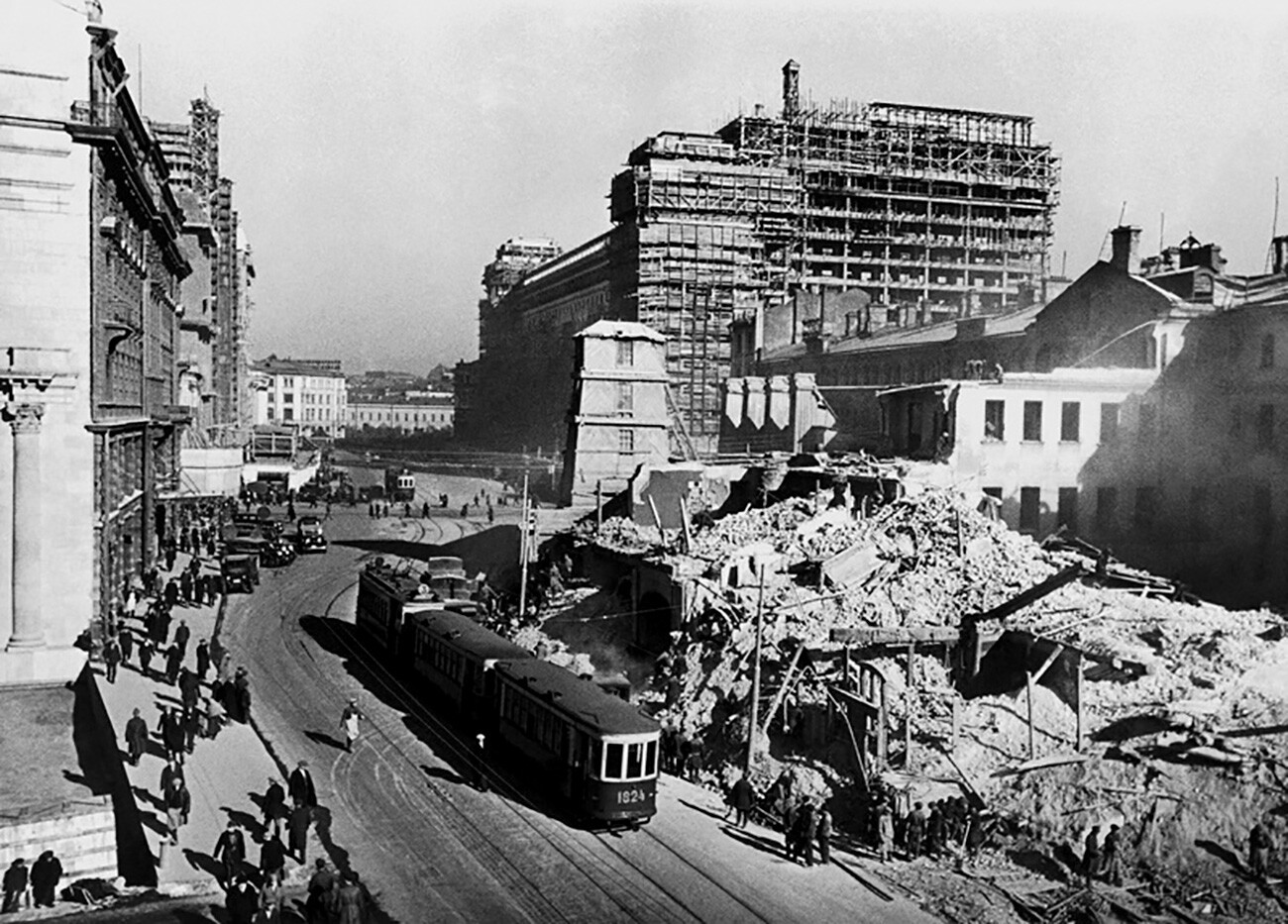
Mark Markov-Grinberg/Union of Photographers of Russia/russiainphoto.ru
In particular, almost the entire Kitaigorodskaya Wall was demolished. This fortification was built around the center of Moscow back in the 16th century.
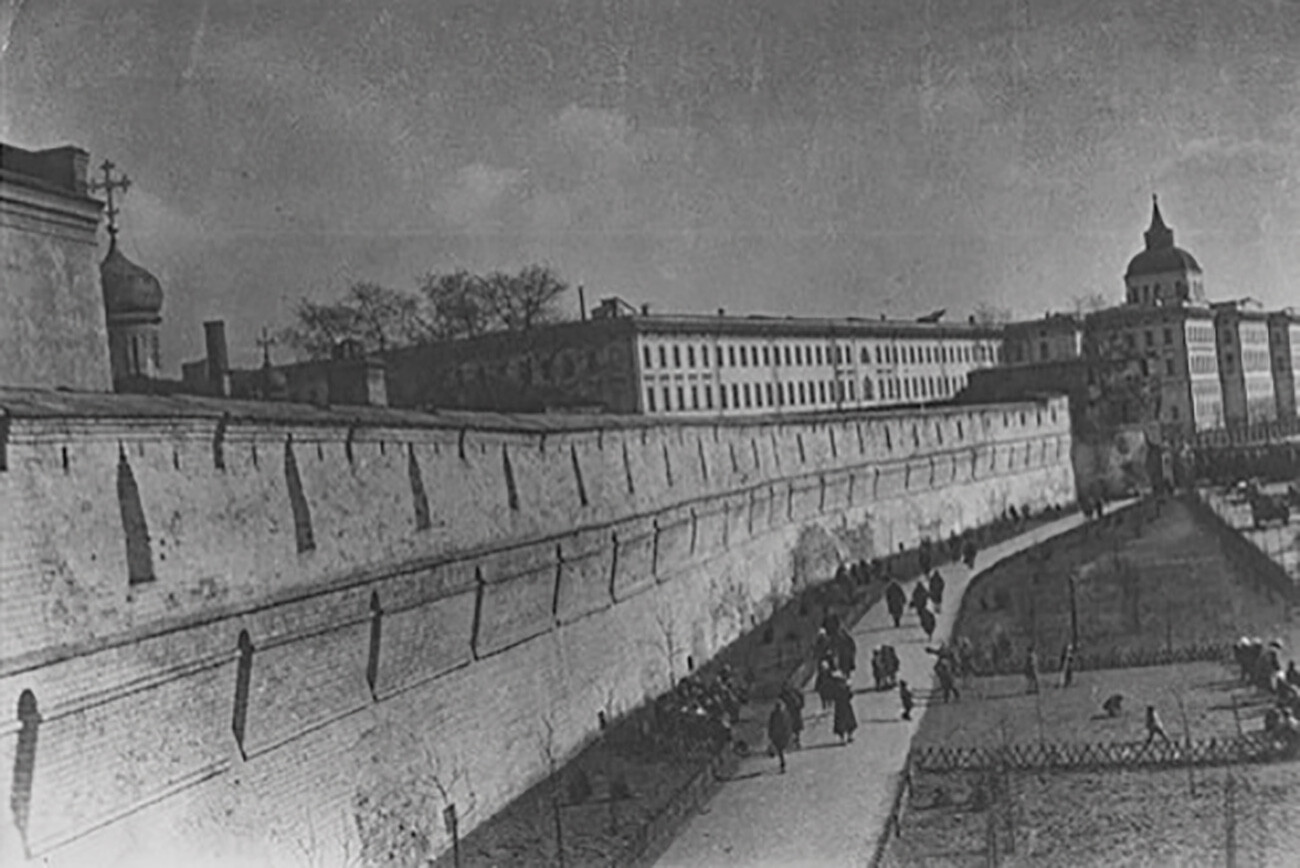
Intourist photo studio/russiainphoto.ru
The photo below shows Moscow streets being paved after the demolition of the wall.
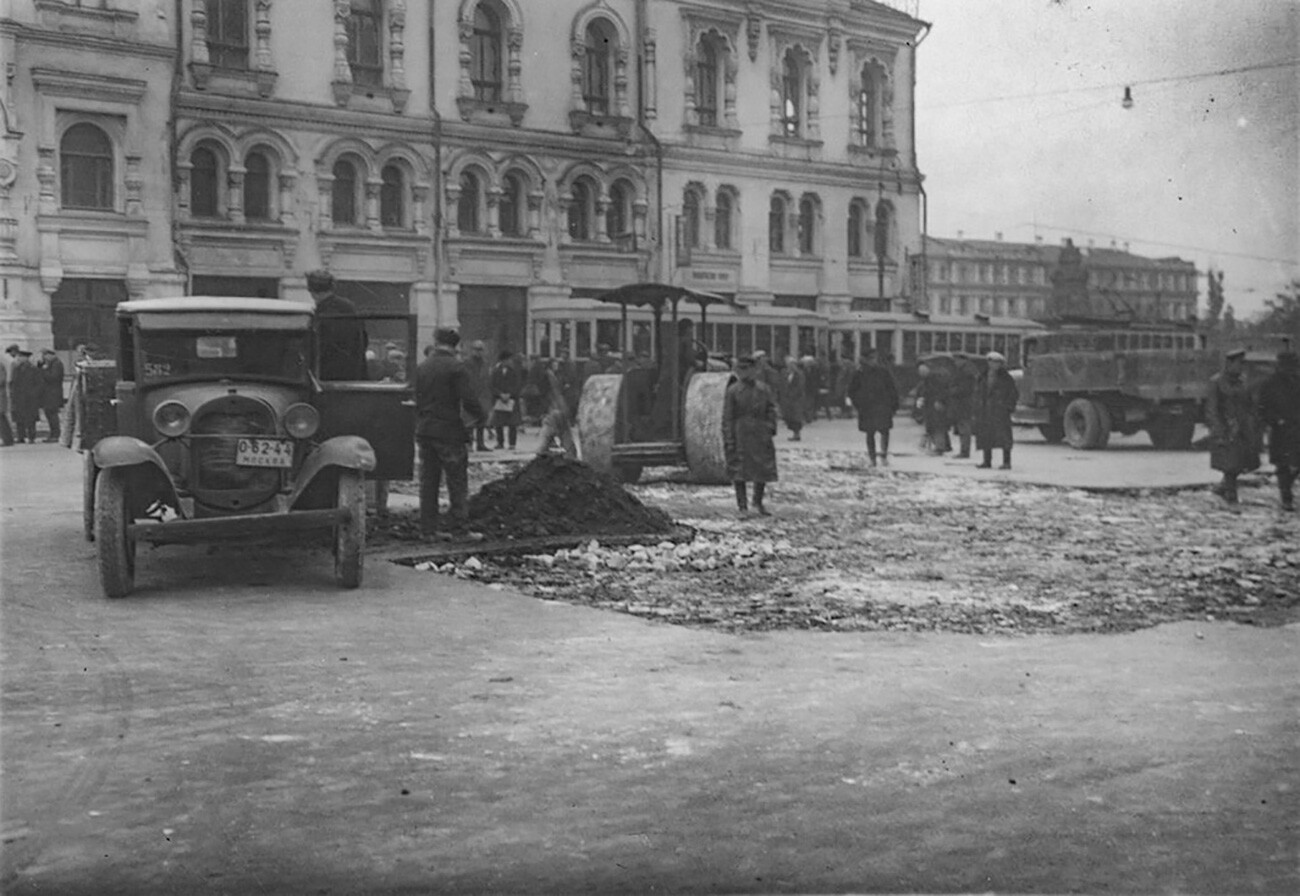
Museum of Moscow/russiainphoto.ru
Trolleybus transport was launched in Moscow a year earlier.
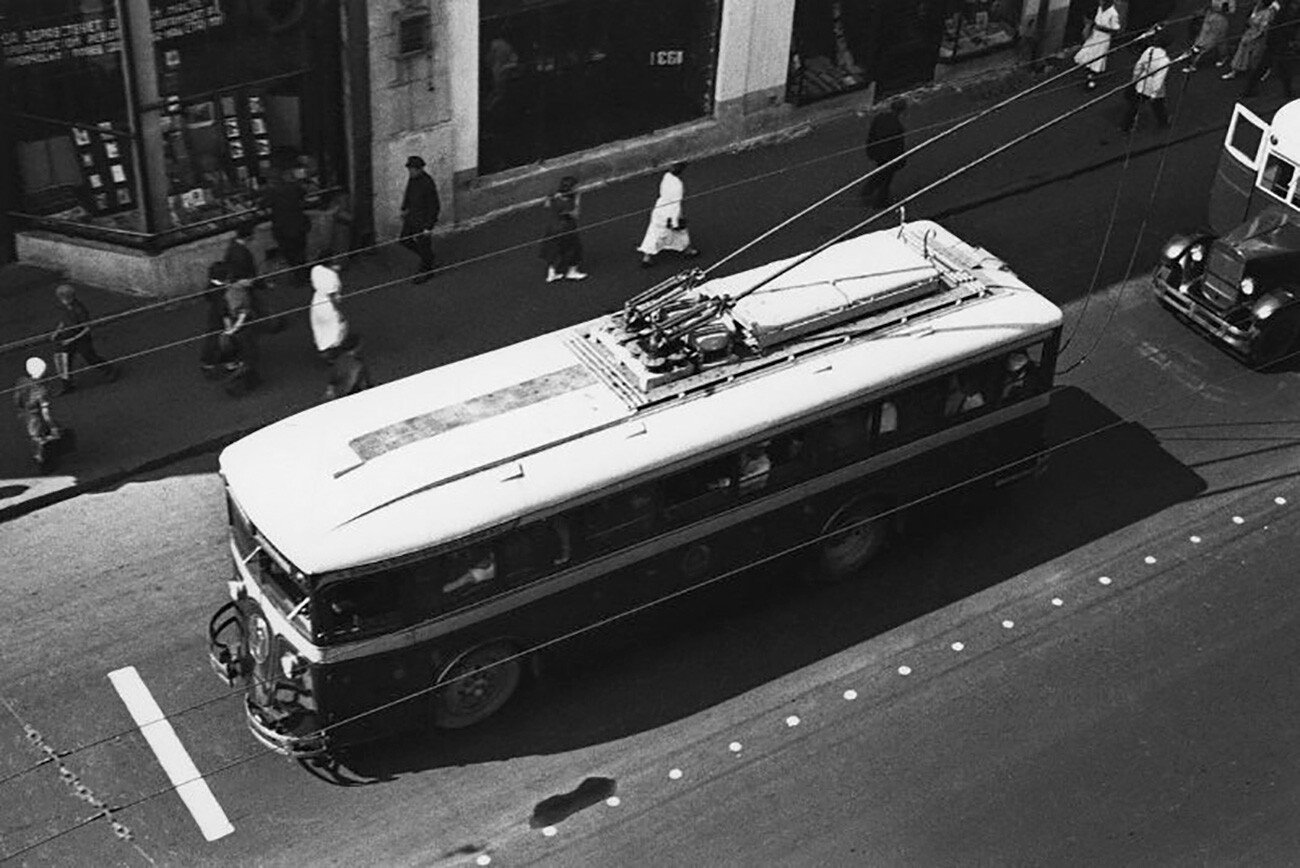
Mikhail Prekhner/MAMM/MDF/russiainphoto.ru
And yet, at that time, the capital wasn’t yet a large metropolis. The places that are now considered almost the center were suburbs back then. Below, for example, is a picturesque green area – Luzhniki.
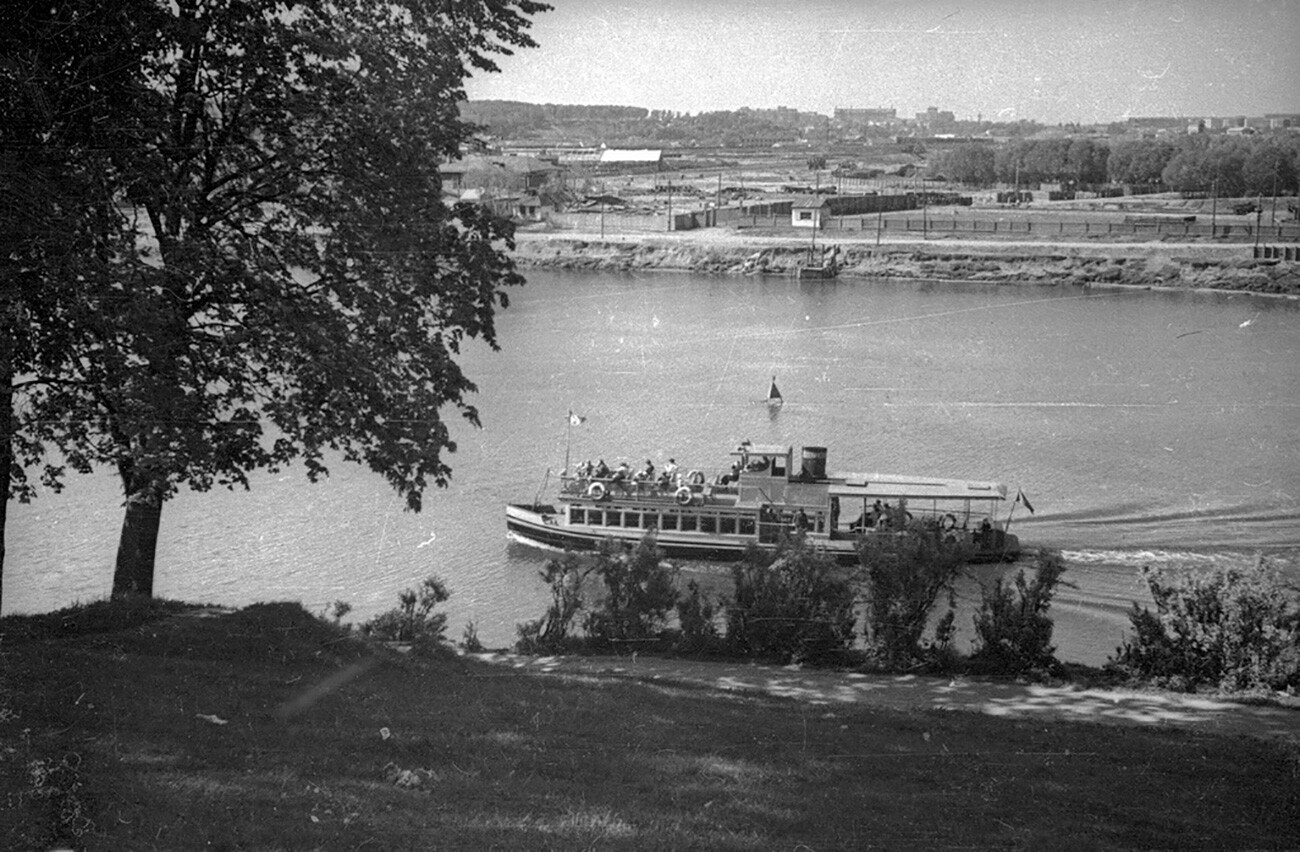
Alexander Ustinov/Ninel Ustinova archive/russiainphoto.ru
Moscow Metro would only open the following year, but, in 1934, a epoch-making event took place: the trial run of the first metro train.
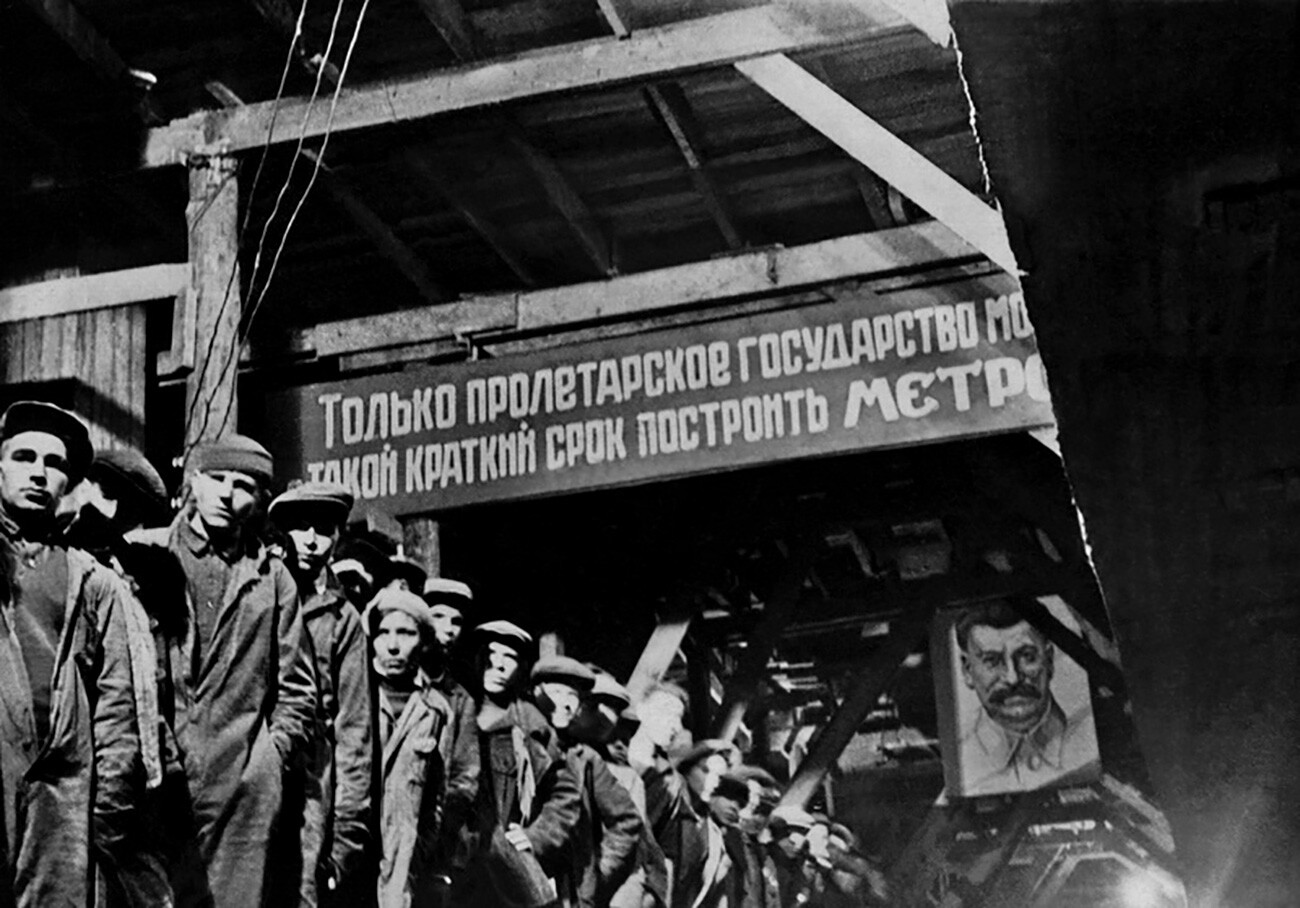
State Museum of Political History of Russia/russiainphoto.ru
Lazar Kaganovich (pictured in the center) was Stalin’s fellow responsible for the construction of the subway. At first, until 1955, the capital’s metro even bore his name.
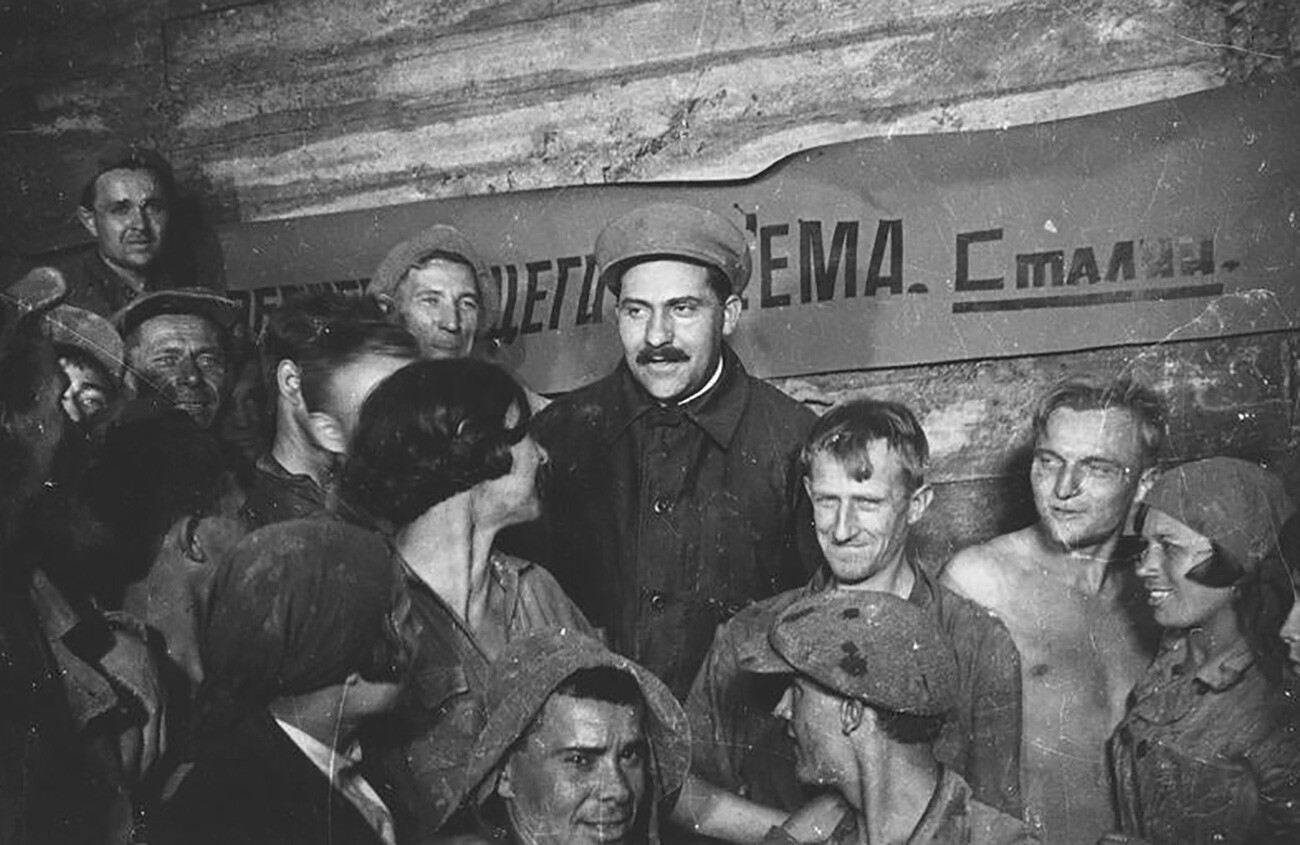
Anatoly Yegorov/MAMM/MDF/russiainphoto.ru
The first half of the 1930s marked the beginning of powerful industrialization in the USSR. The course on romanticization of labor and high achievements was taken. Though the Stakhanovite movement of strikers of labor would only appear the following year. The photo below shows a miner posing outside a factory.
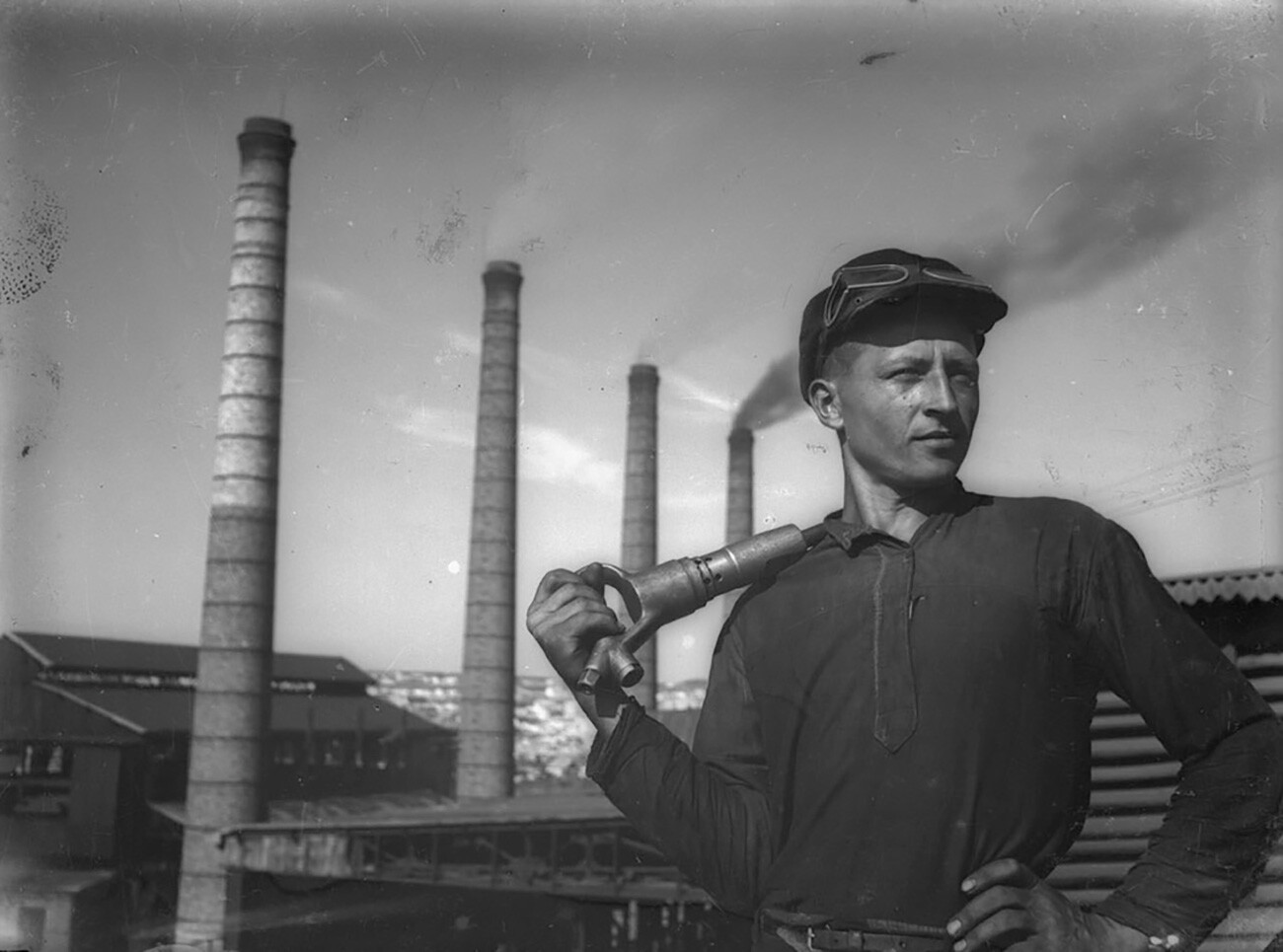
Yevgeny Khaldei/MAMM/MDF/russiainphoto.ru
The electrification of the country was also actively progressing, so power lines and masts became new landscape details inspiring photographers.
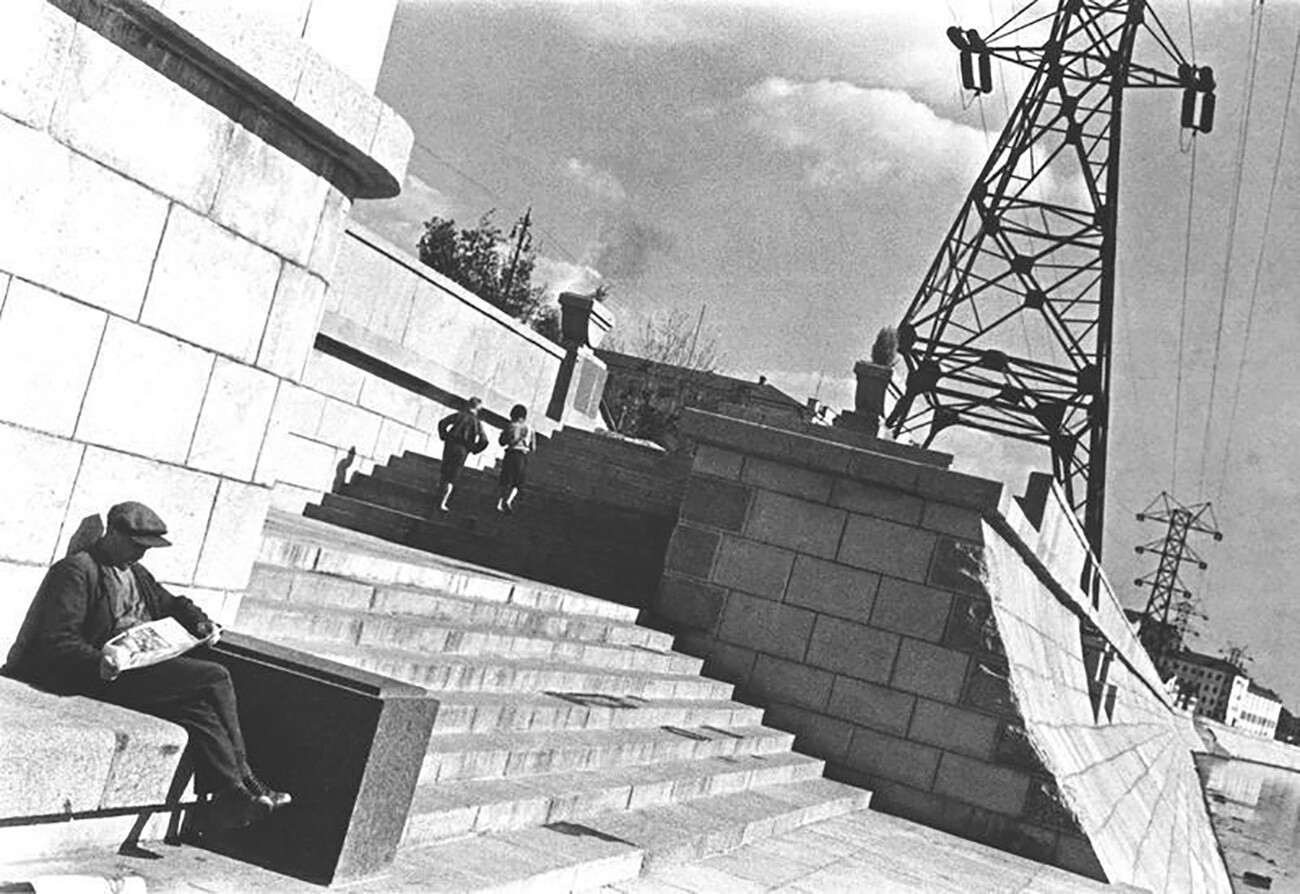
Boris Ignatovich/MAMM/MDF/russiainphoto.ru
Now known as the ‘Moskvich’ plant, in the 1930s, it was called the ‘KIM’ (Communist International Youth) Moscow Automobile Assembly Plant and assembled GAZ cars with Soviet components.
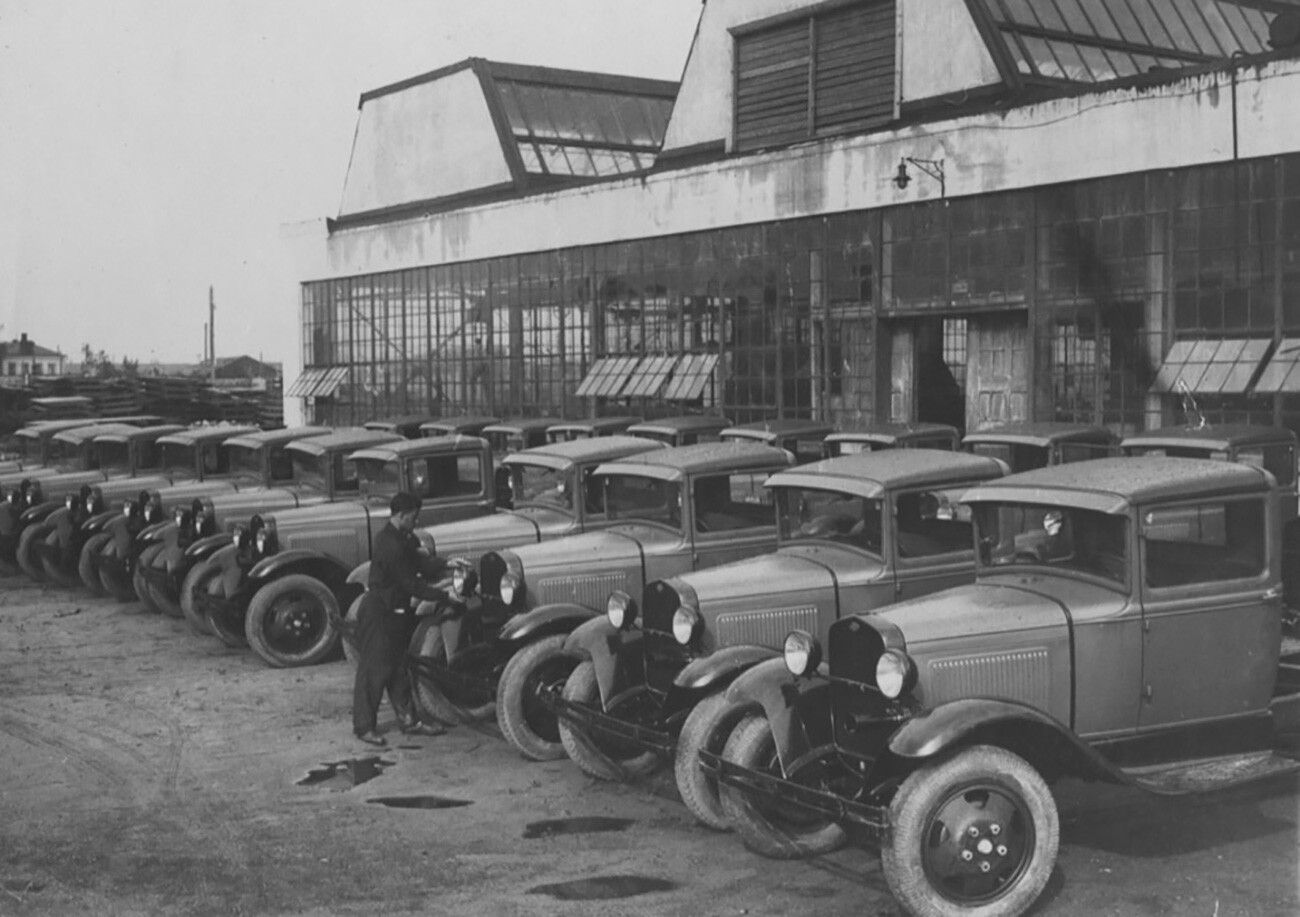
Moscow Museum/russiainphoto.ru
The Labor Day on May 1 was celebrated with pomp on the Red Square in Moscow.
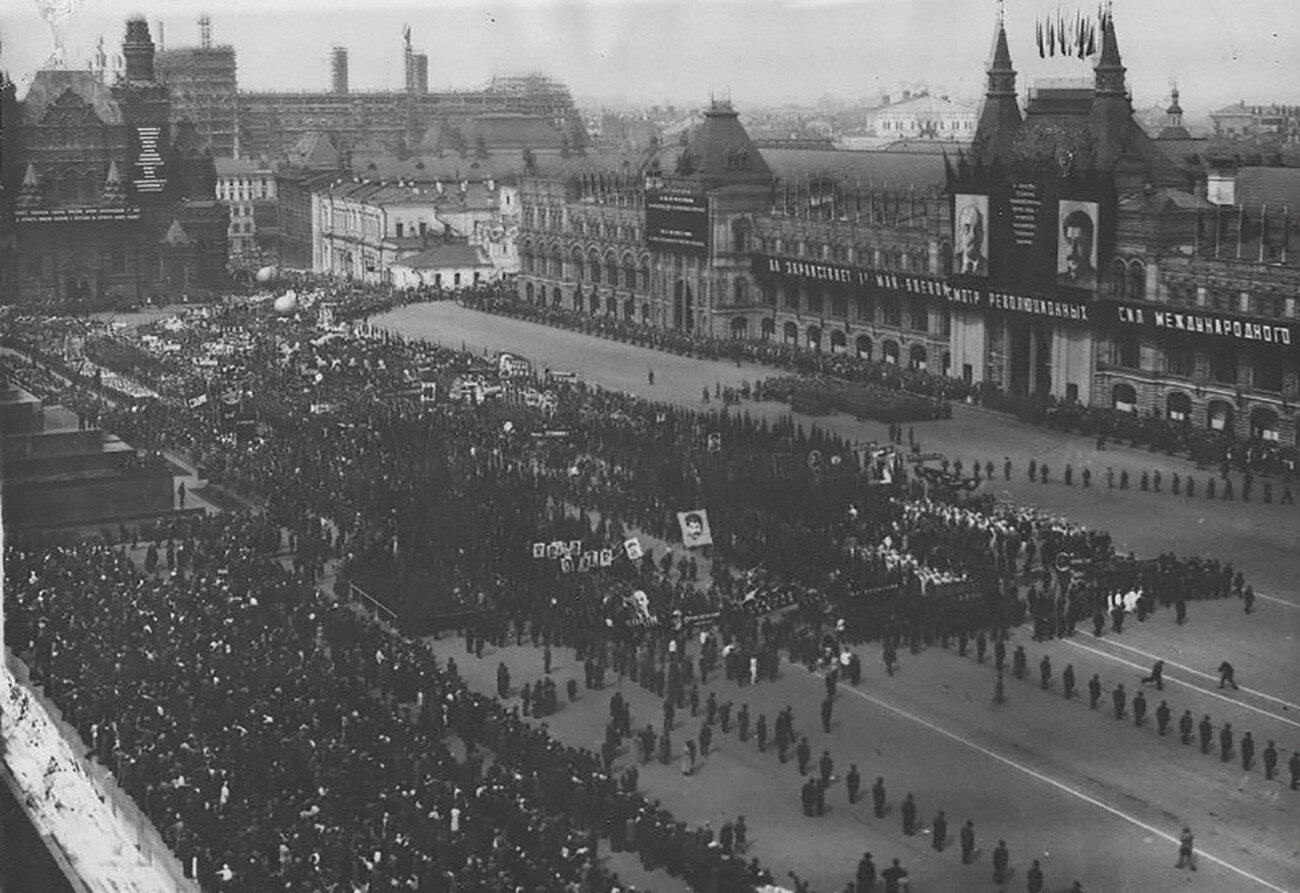
A.Matveyev/MAMM/MDF/russiainphoto.ru
The 17th Congress of the All-Union Communist Party (Bolsheviks) in early 1934 was officially called the ‘Congress of Winners’ and proclaimed the successful results of the first five-year industrialization. Later, more than half of the delegates would be arrested or executed. The photo shows the presidium of the congress.
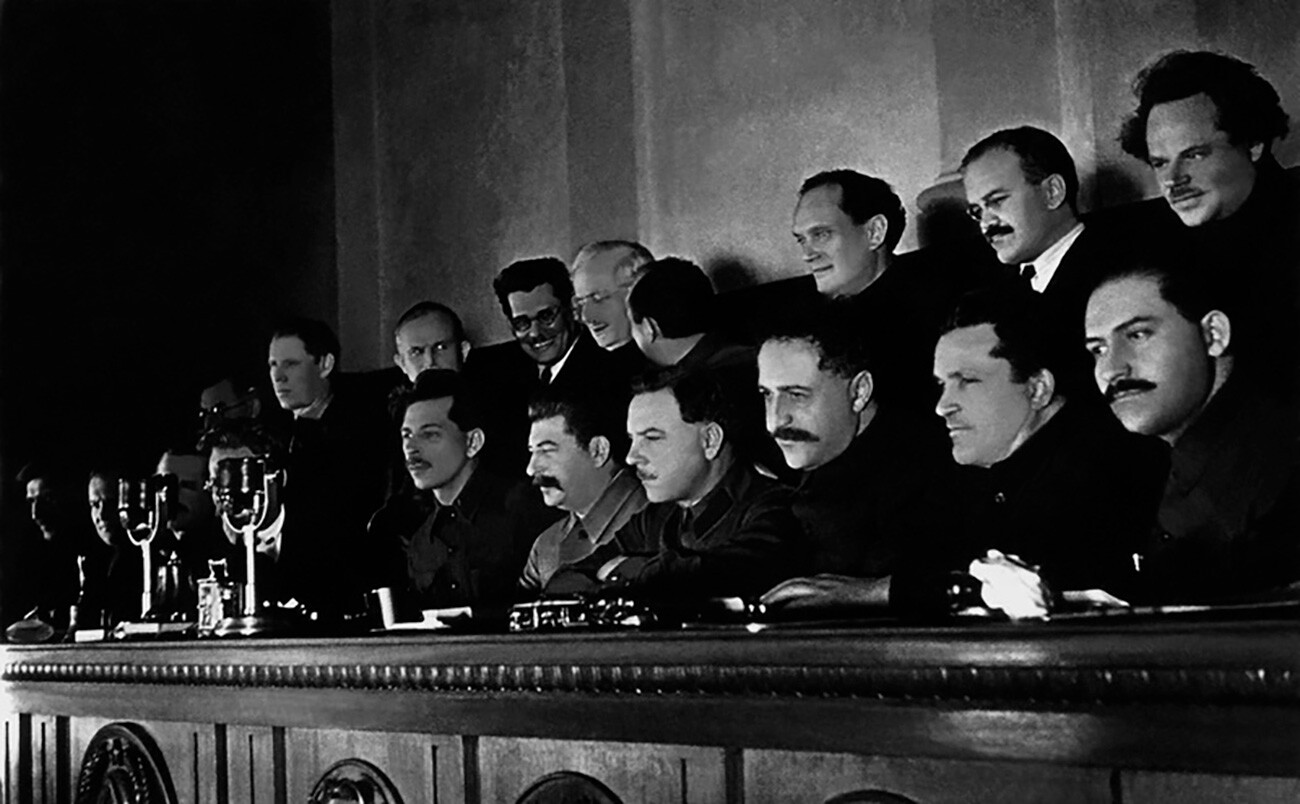
Russian Federation State Archive/russiainphoto.ru
By the year 1934, the Gulag was already in operation; by the previous year, the White Sea-Baltic Canal had been built by prisoners in record time and other extensive construction projects were underway. But, there were no mass repressions yet. The photo below shows prisoners at a penal labor colony near Chelyabinsk.
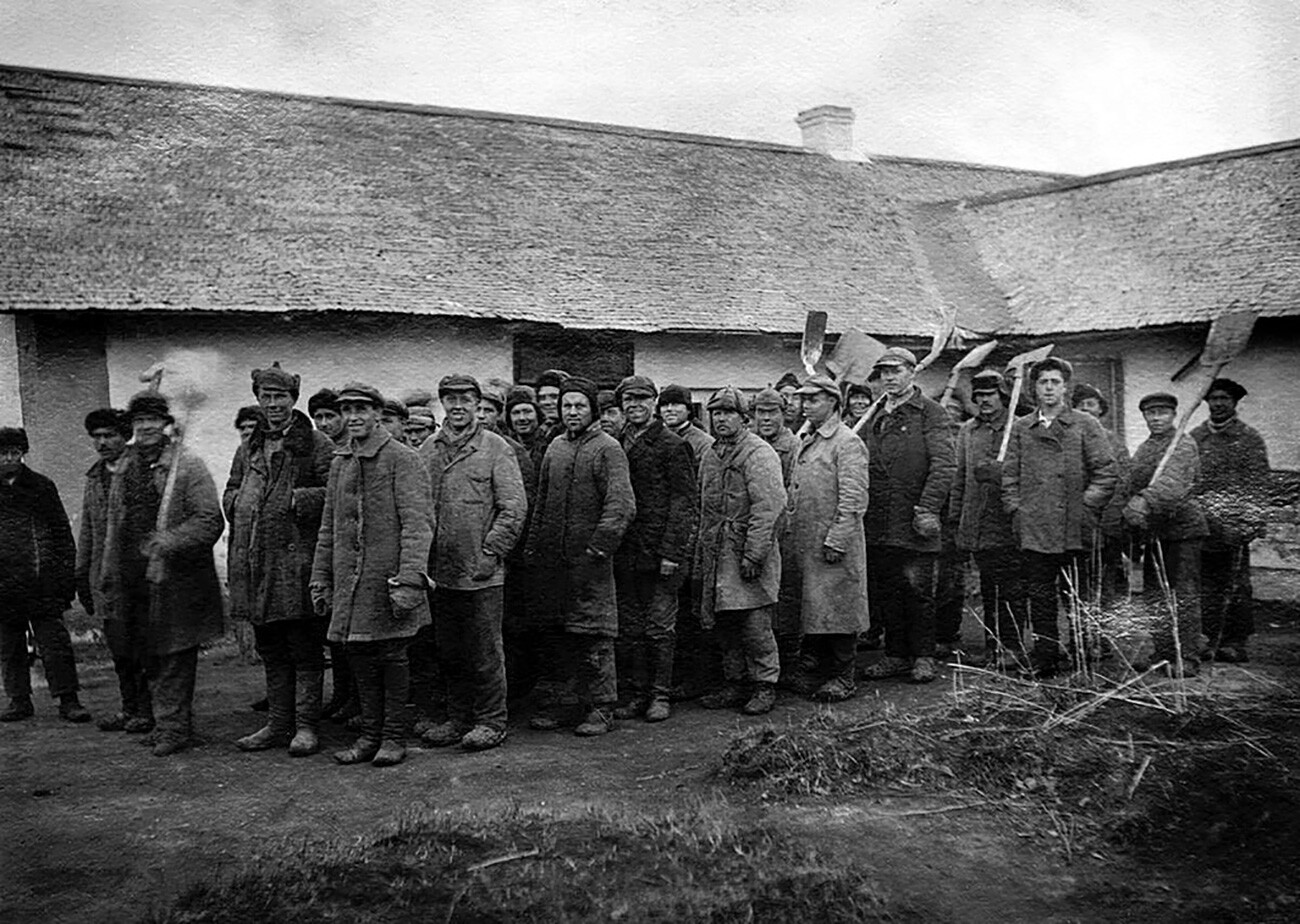
South Ural State Historical Museum/russiainphoto.ru
On December 1, 1934, Sergei Kirov, head of the city’s party branch and an associate of Stalin, was assassinated in Leningrad. It is believed that his murder was the reason for the start of Stalin’s so-called ‘Great Purge’ or, simply, mass repression in the USSR. In the photo below – Joseph Stalin and Andrei Zhdanov at Kirov’s funeral.
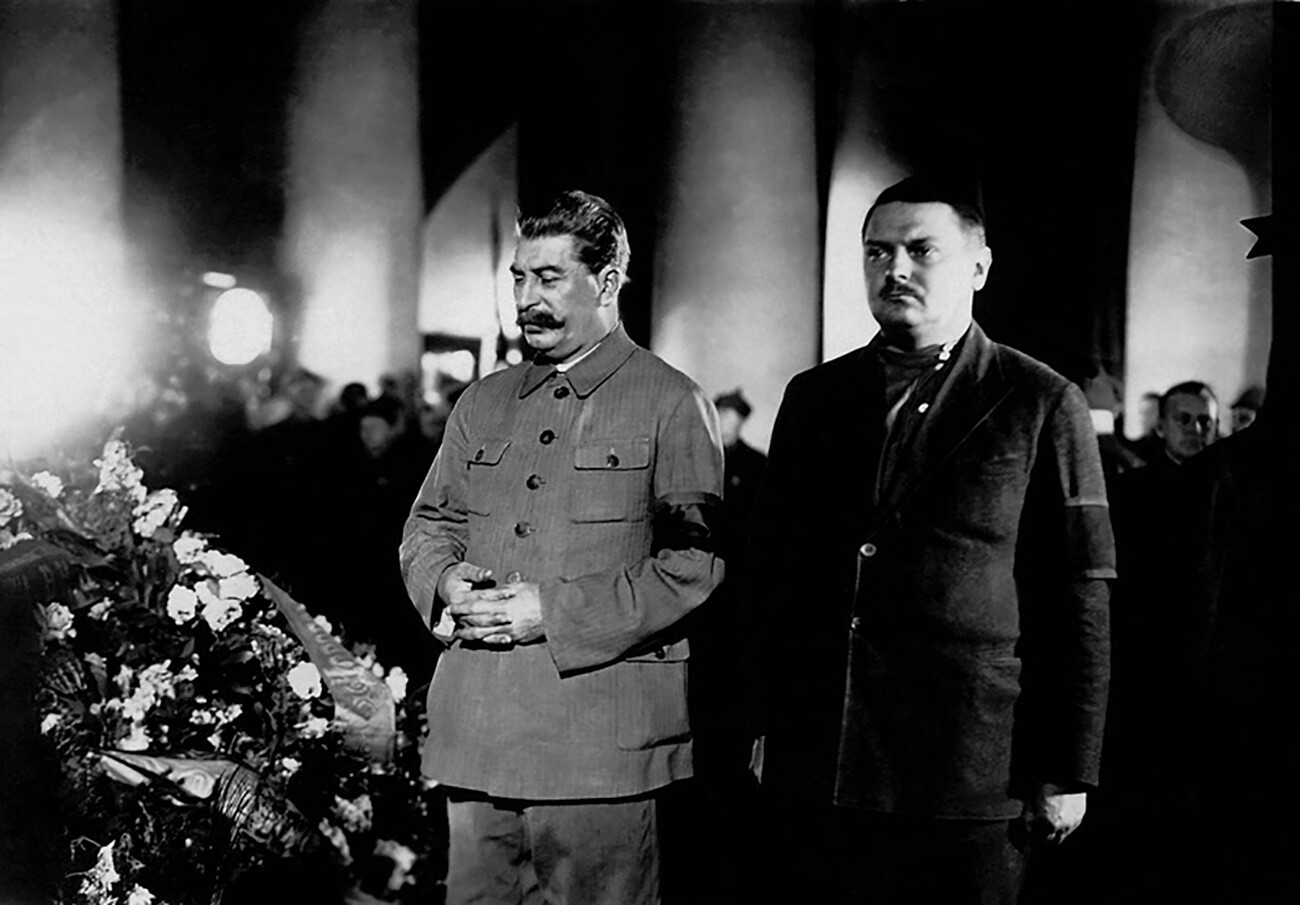
State Museum of Political History of Russia/russiainphoto.ru
Another important event in 1934 was the First All-Union Congress of Soviet Writers. Its honorary chairman was Maxim Gorky, the country’s main proletarian writer and a real star and cult figure. Already during his lifetime, streets, parks were named in his honor – even an entire city, his native Nizhny Novgorod, was renamed Gorky.
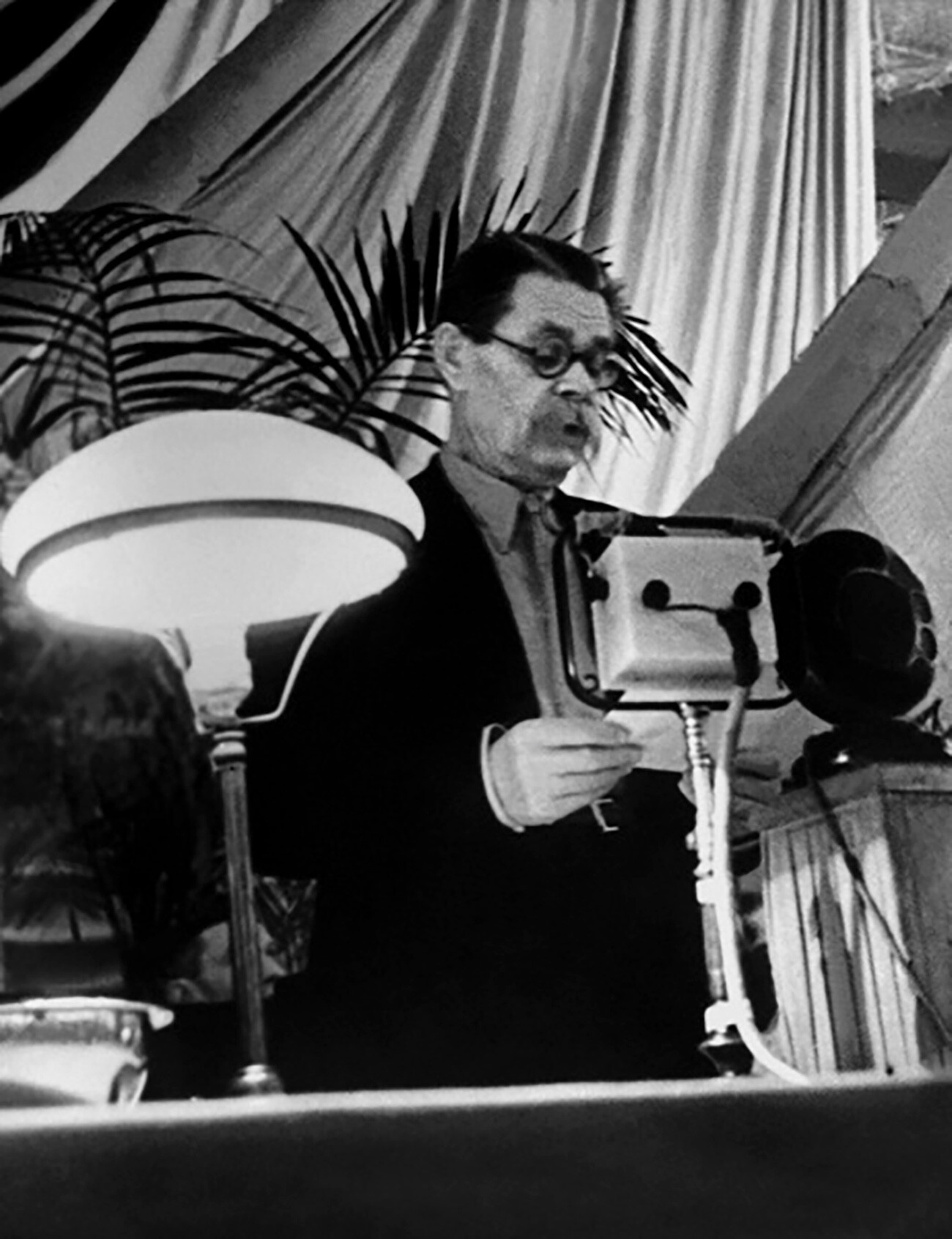
Ivan Shagin/MAMM/MDF/russiainphoto.ru
Another star of the literary world in 1934 was writer Mikhail Sholokhov. By that time, three volumes of his cult novel about the Civil War, ‘The Quiet Don’, had already been published. And the country was eagerly awaiting the finale (it would be released in 1940). It is said that the book was read and personally approved by Stalin, despite the fact that the protagonist never fully joined the Bolsheviks.
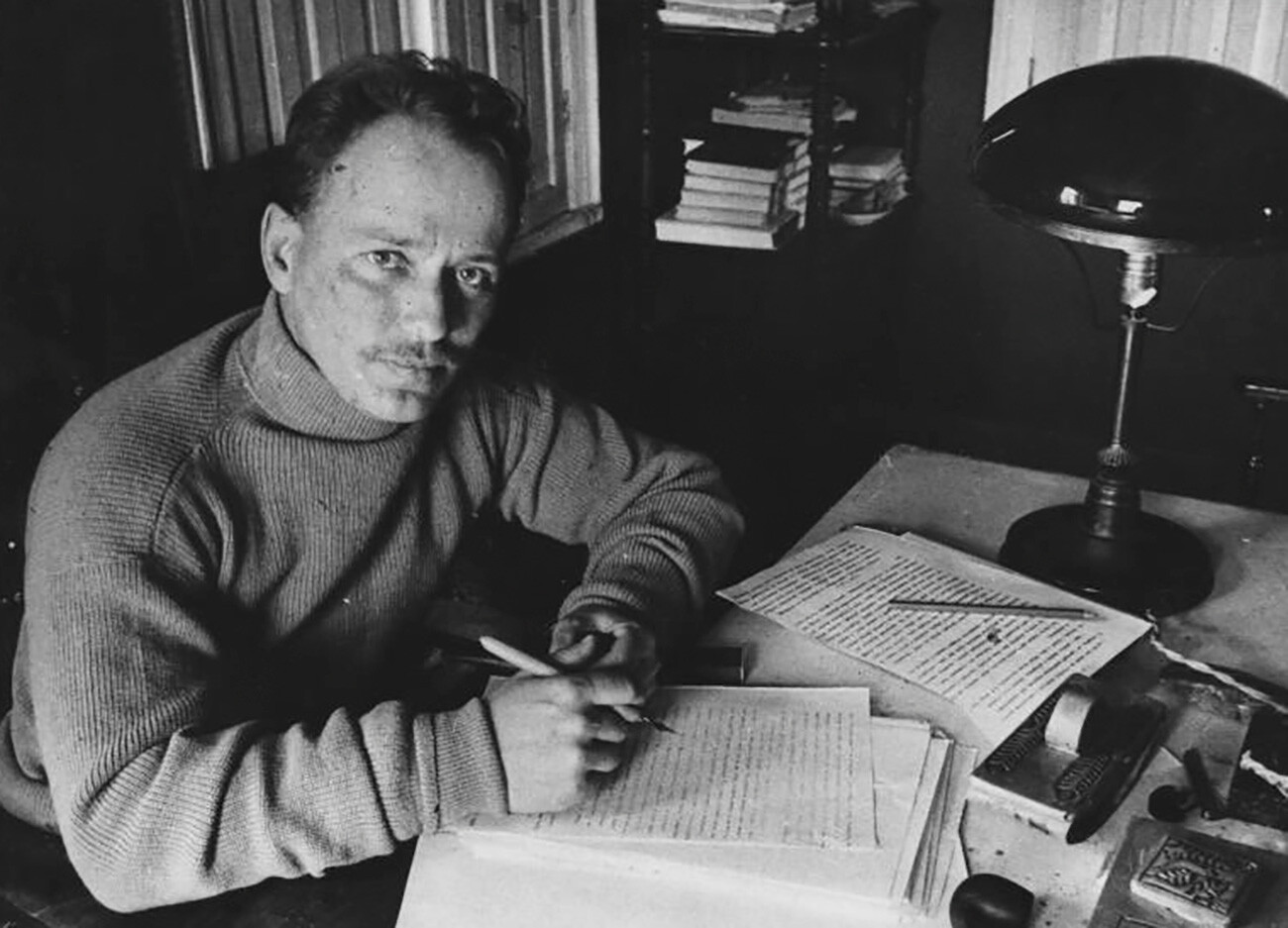
Viktor Temin/MAMM/MDF/russiainphoto.ru
In 1934, the British writer H. G. Wells visited the USSR for the third time and was a guest of honor.
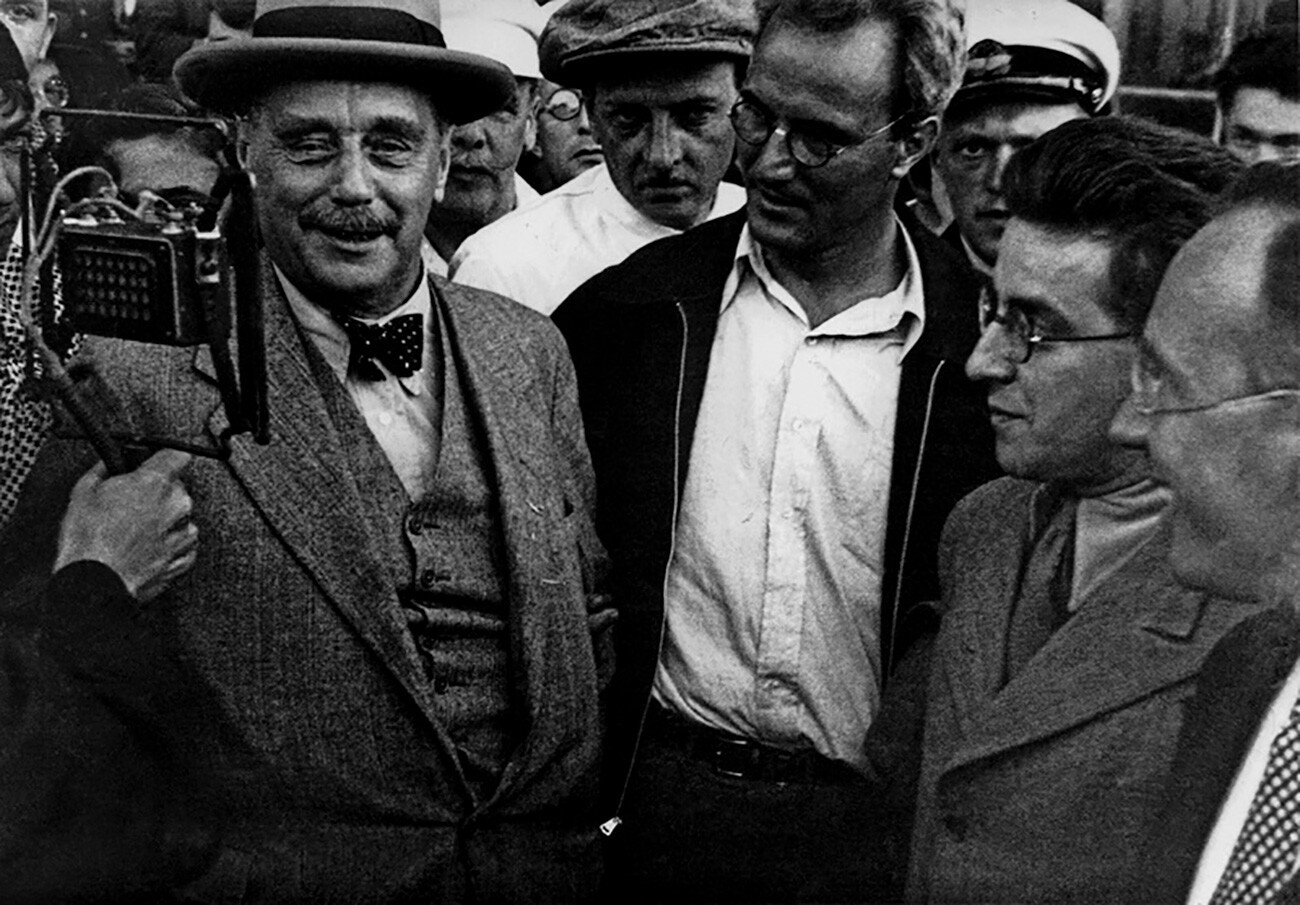
State Archive of Film and Photo Documents/russiainphoto.ru
Many foreigners sympathizing with socialism and Stalin personally came to Soviet Moscow. In the photo below, actors of the Mosfilm studio (star Lyubov Orlova pictured in the center) pose with French communist writer Henri Barbusse.
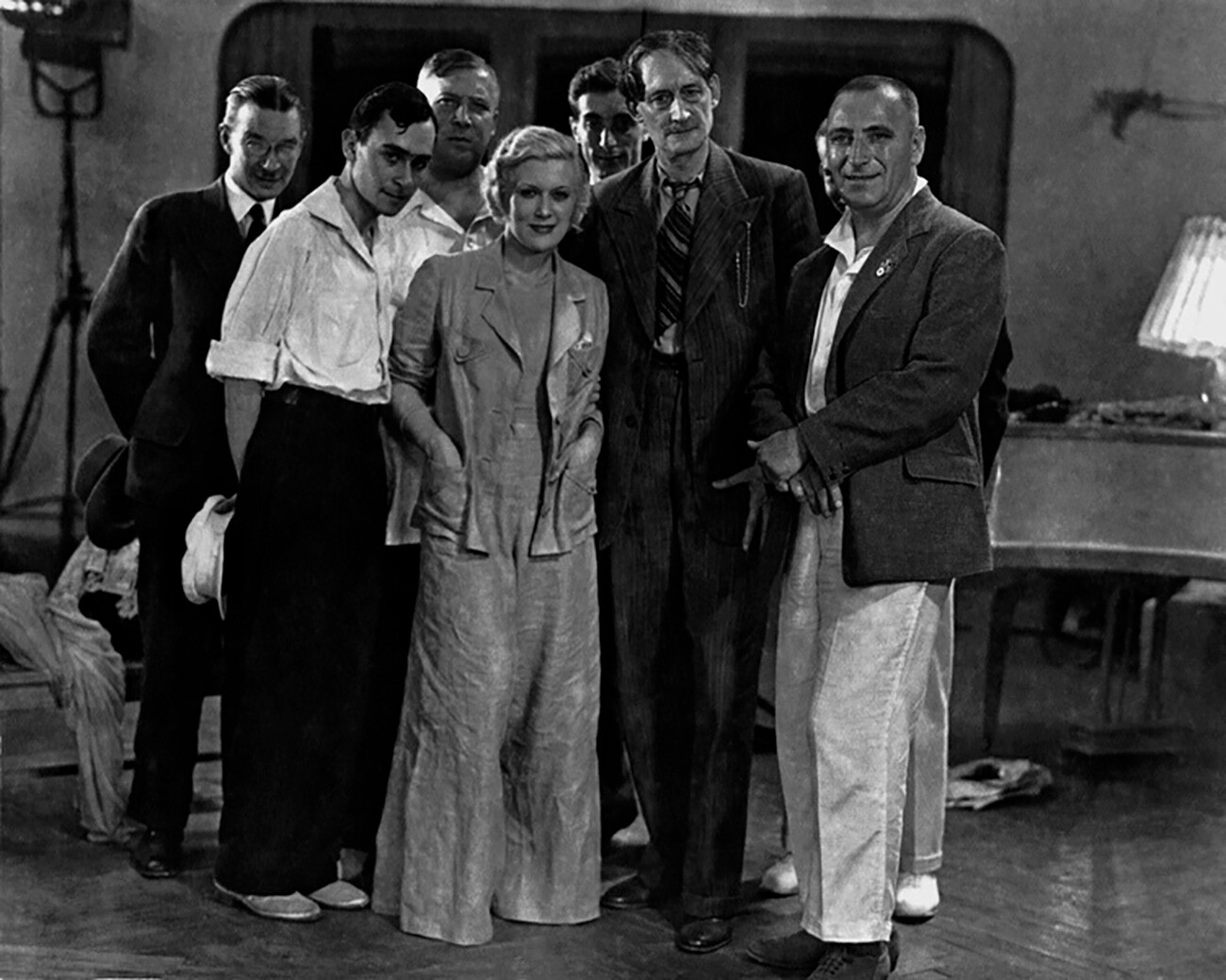
Russian State Archive of Literature and Art/russiainphoto.ru
In the 1930s, the USSR was actively exploring the Arctic. Back in the Summer of 1933, the ‘Chelyuskin’ steamship set out on an expedition along the Northern Sea Route, but it became trapped by ice and drifted with the entire crew for almost five months.
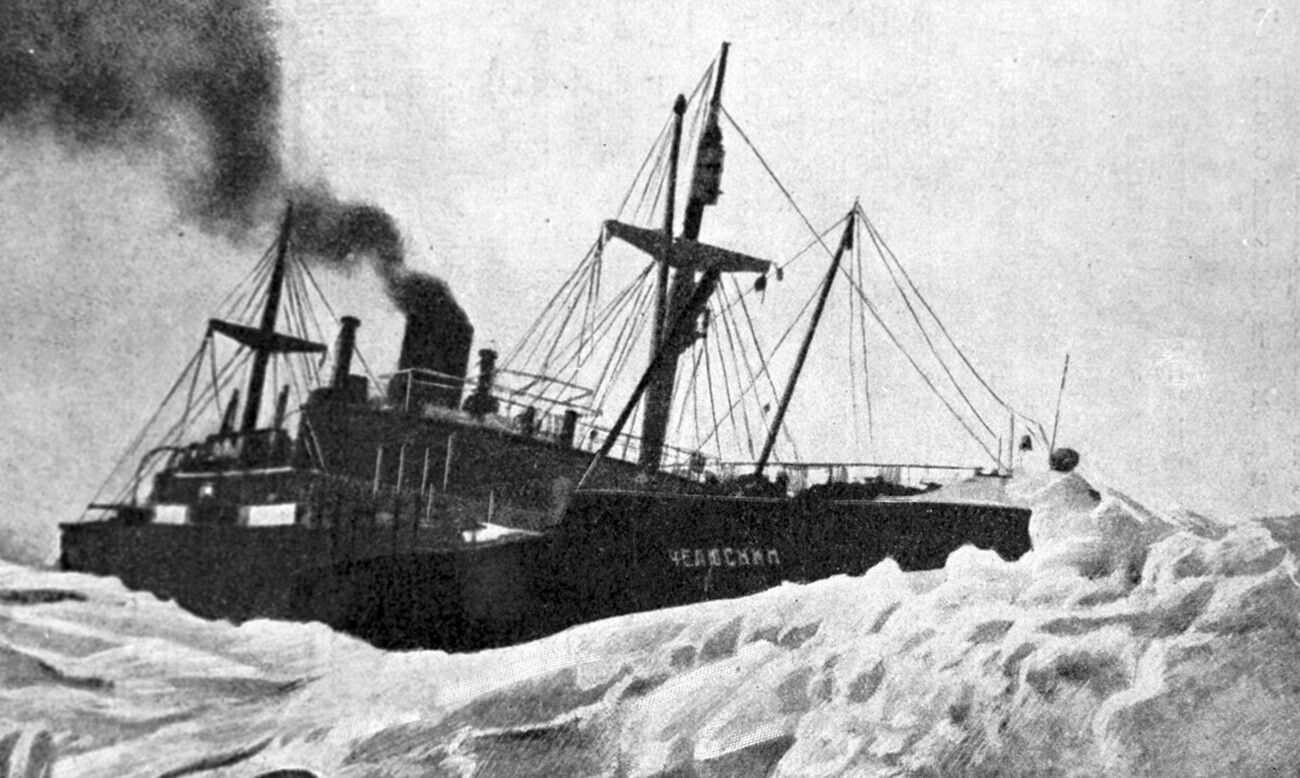
Sputnik
On February 13, 1934, the ship sank, but the passengers managed to evacuate. For two months, they survived on the ice floe while a rescue operation was underway. Pilots made 23 flights, taking more than a hundred ‘Chelyuskin’ crew to the mainland.
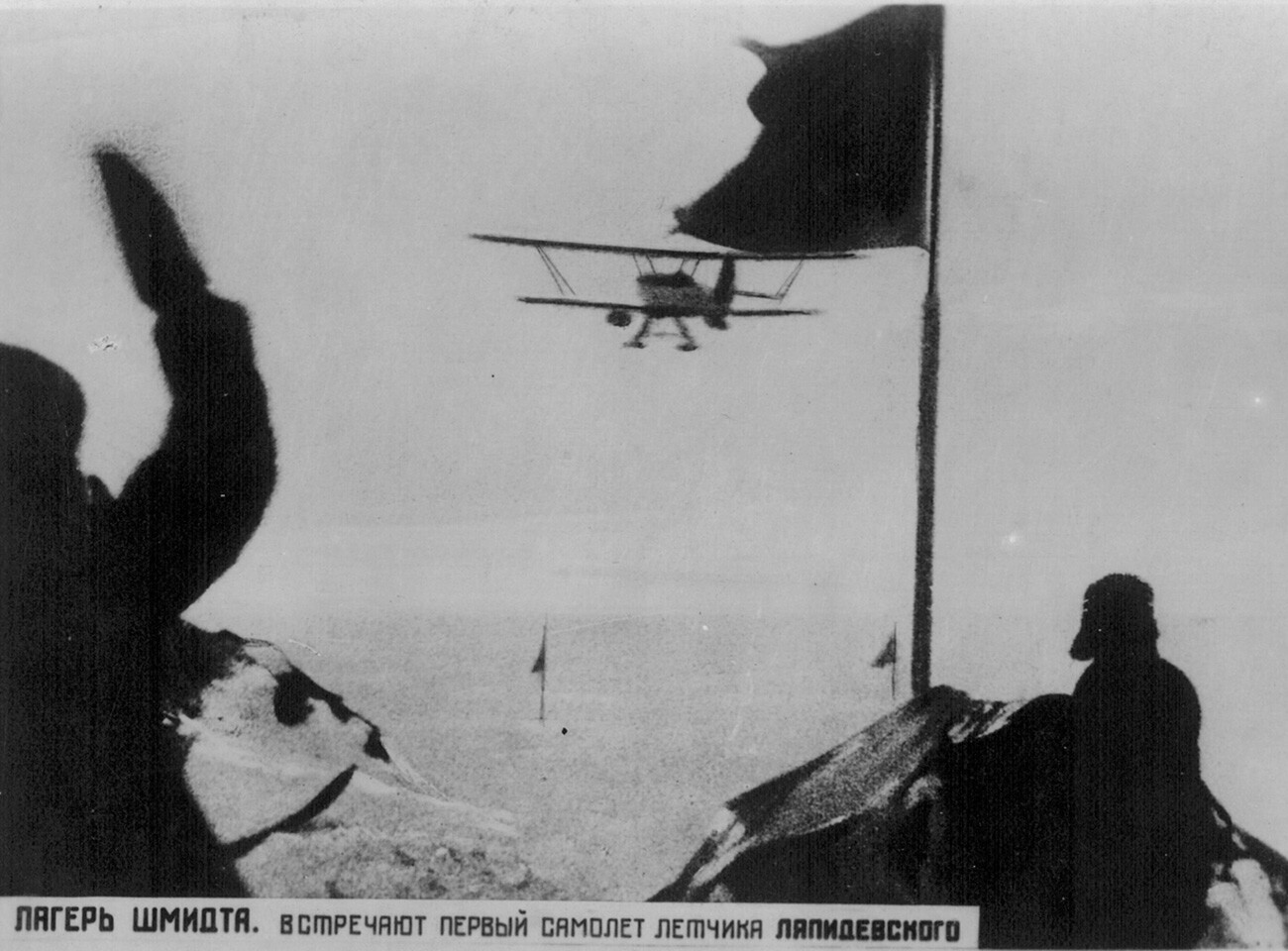
Public domain
In Moscow, the Chelyuskinites were solemnly welcomed with flowers already at the station and a ceremonial reception was also held on the Red Square. The pilots who rescued the crew became the first men in history to receive ‘Hero of the Soviet Union’ awards.

Anatoly Yegorov/MAMM/MDF/russiainphoto.ru
Many Soviet children dreamed of becoming pilots and aviation modeling clubs began to open everywhere.
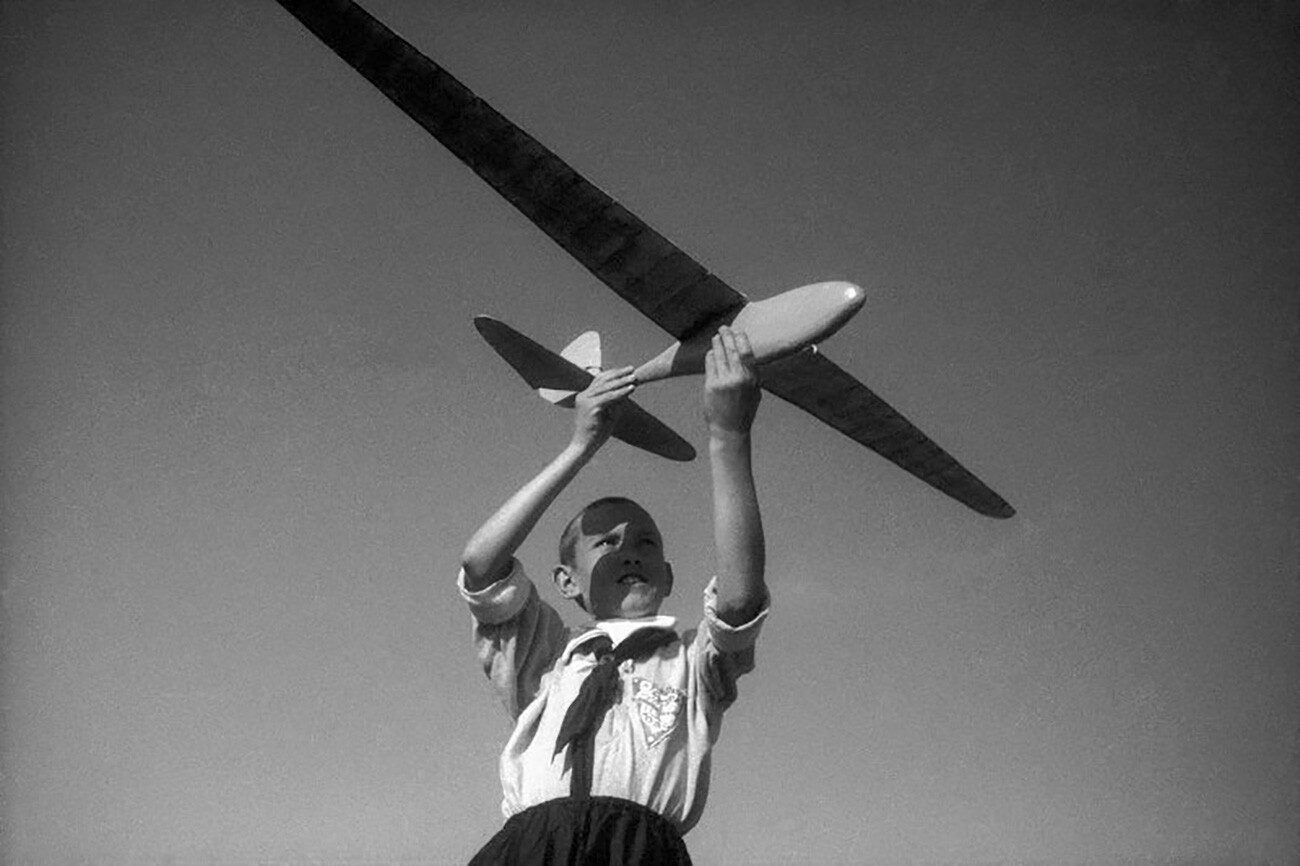
Mikhail Prekhner/MAMM/MDF/russiainphoto.ru
By the way, in 1934, the USSR had not yet completely turned into a puritanical country – and a naked body was commonplace (especially if it was fit and healthy). So, a young lady taking a sunbath in a transparent swimsuit was the norm.
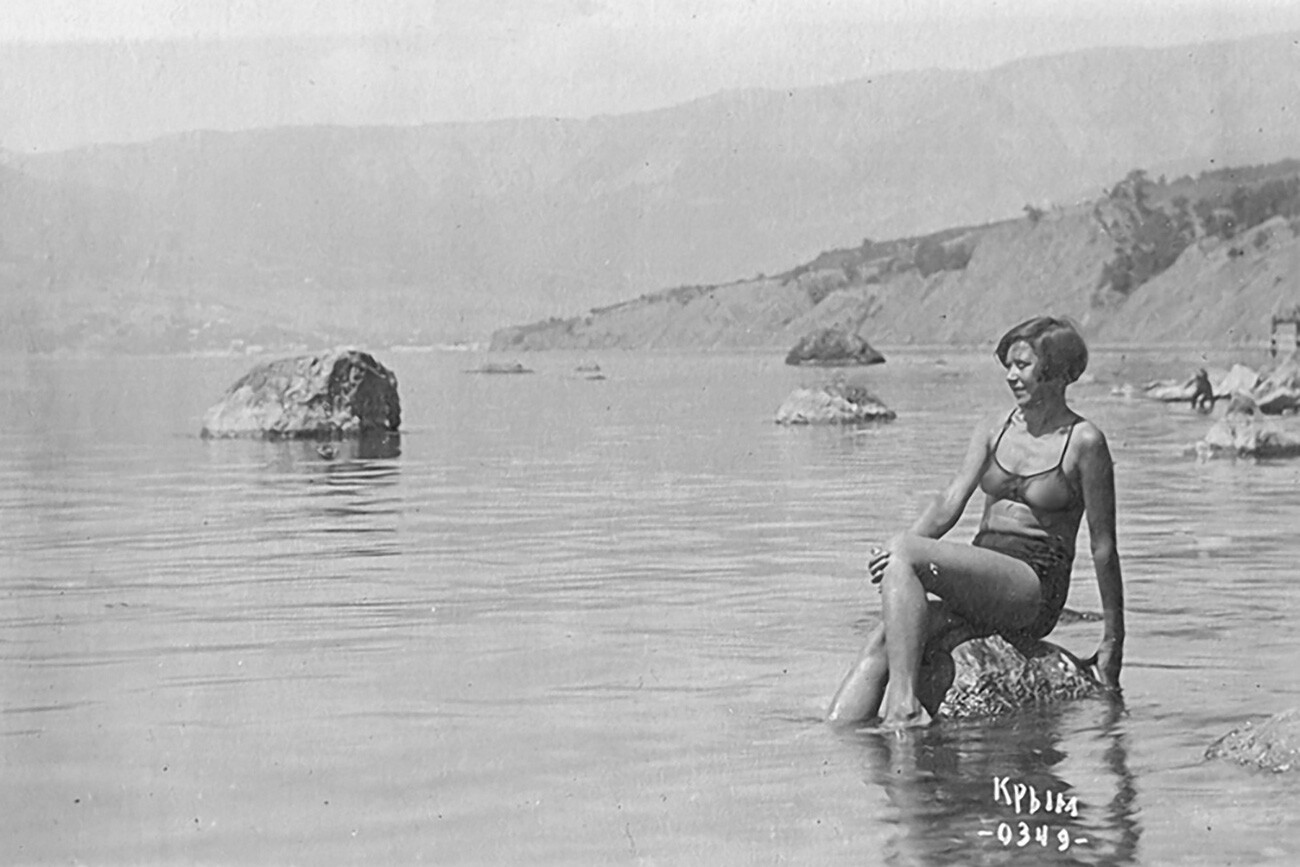
Leonoro Karel archive/russiainphoto.ru
Actually, women in the USSR were becoming more equal members of society and taking up many jobs that had previously been considered “masculine”. Many female journalists and photographers emerged, covering both construction sites and sporting events. Famous photographer Alexander Rodchenko called the shot below: ‘Three women reporters: Krasnyavskaya, Elizaveta Ignatovich and Evgenia Lemberg’
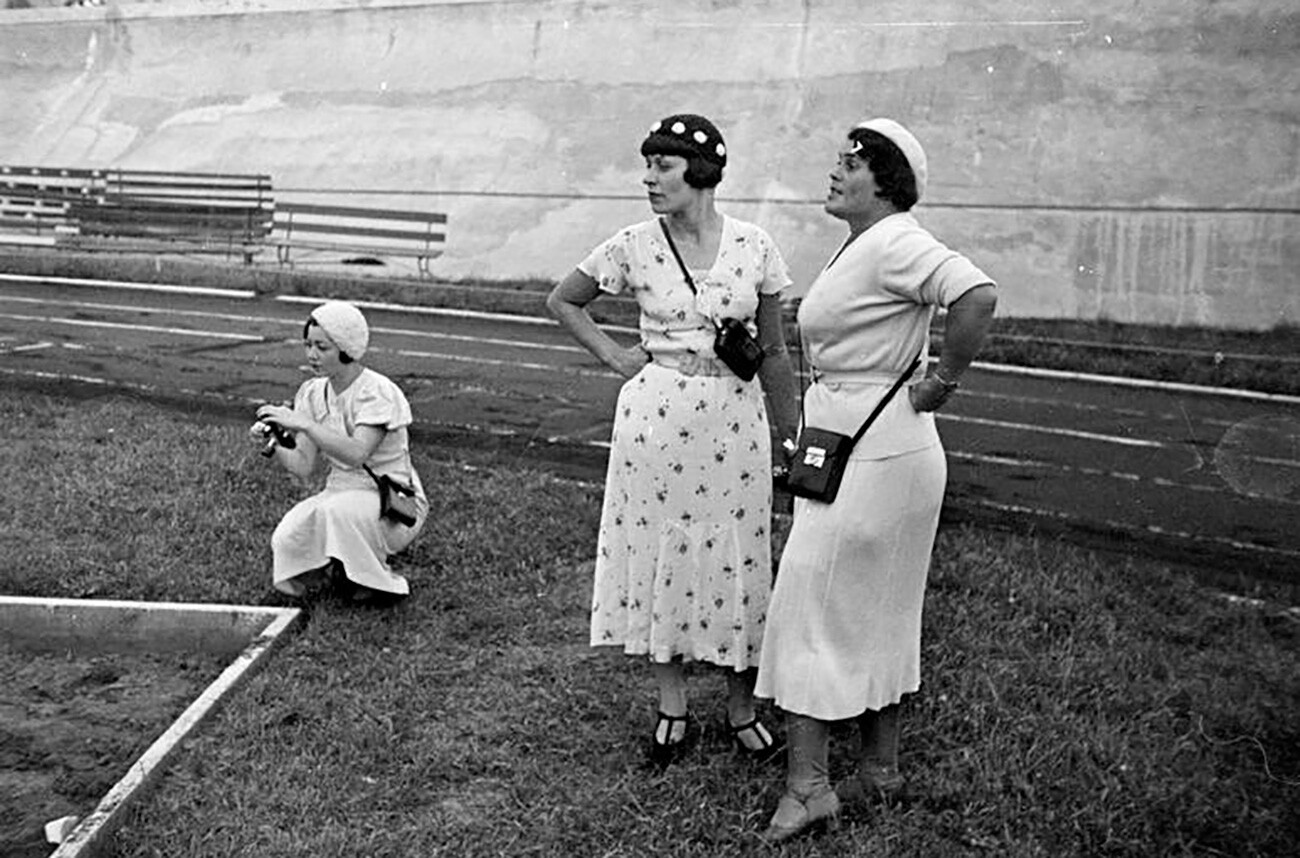
Alexander Rodchenko/MAMM/MDF/russiainphoto.ru
Physical health of Soviet people was also paid special attention to. After all, a builder of communism had to be strong and enduring. The photo below shows physical training at a Red Army summer camp.
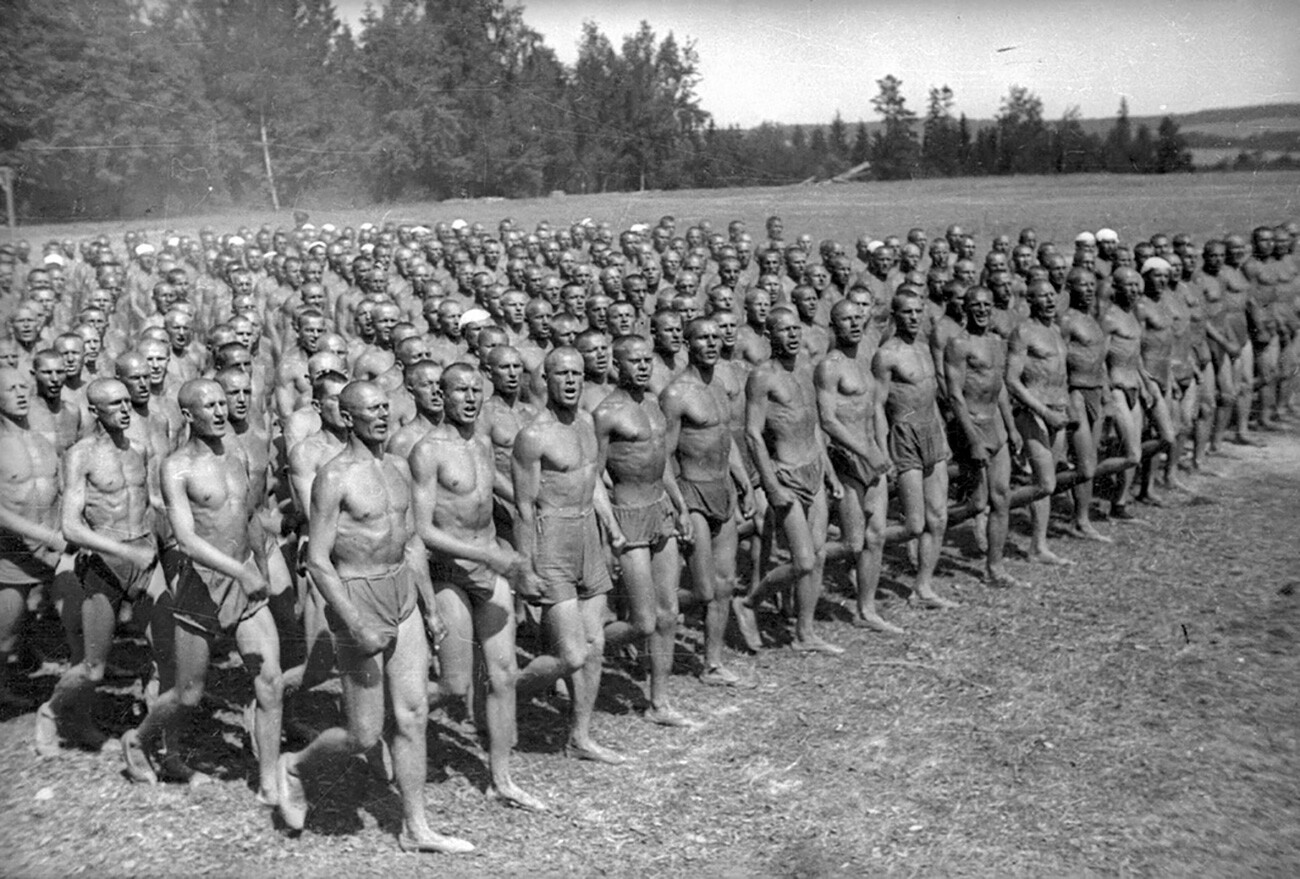
Alexander Ustinov/Ninel Ustinova archive/russiainphoto.ru
Alexander Rodchenko’s famous photo titled ‘Jump into the water’ was taken in 1934 at the Dynamo stadium in Moscow.
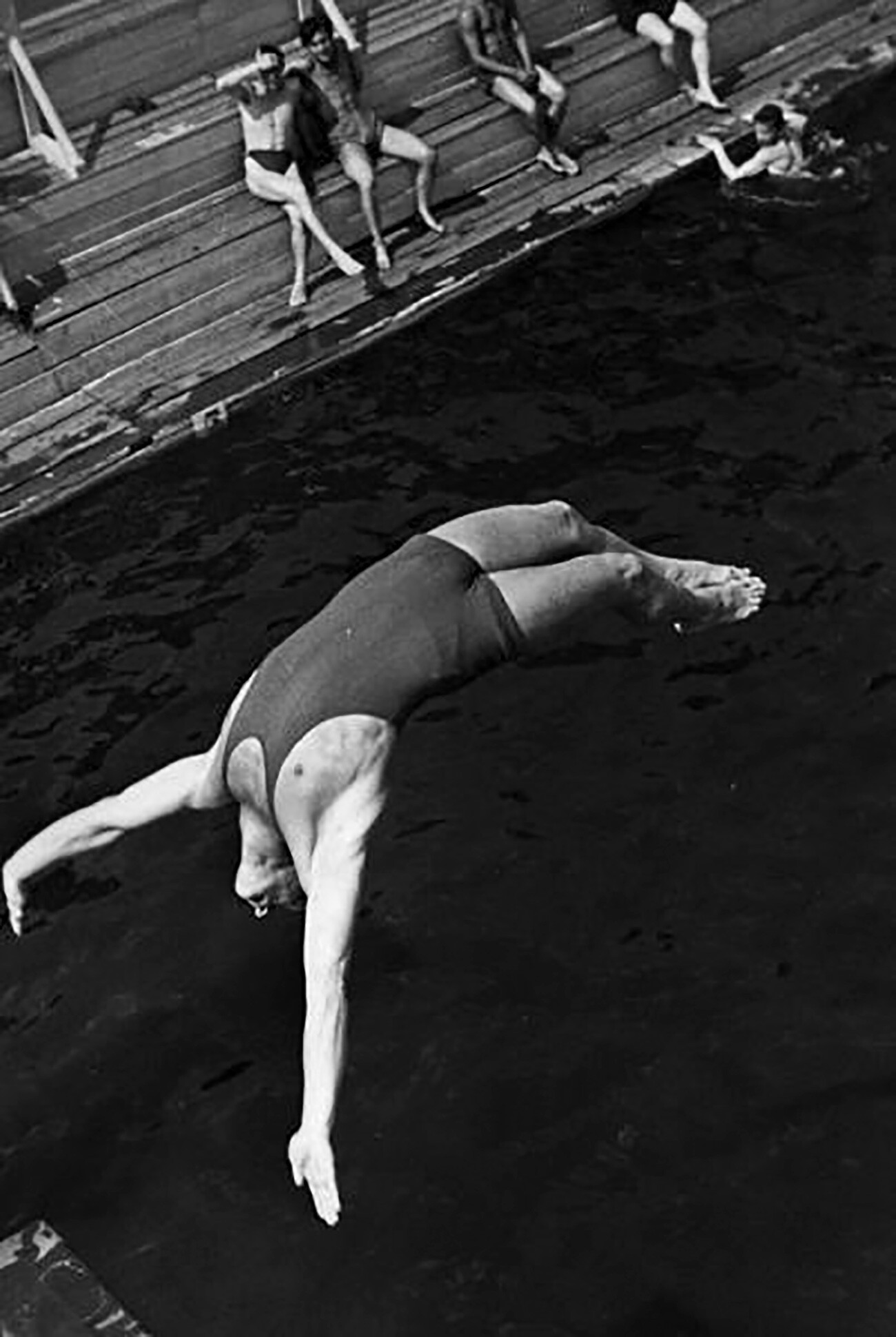
Alexander Rodchenko/MAMM/MDF/russiainphoto.ru
Children in the Soviet Union were engaged in physical training from an early age. In summer, they did exercises, swimming and active games, while, in winter, they were skiing and ice skating.

South Urals State Historical Museum/russiainphoto.ru
Let’s take a look at a few more pictures from ordinary Soviet life. Below are some students at a lecture at the Moscow State University.
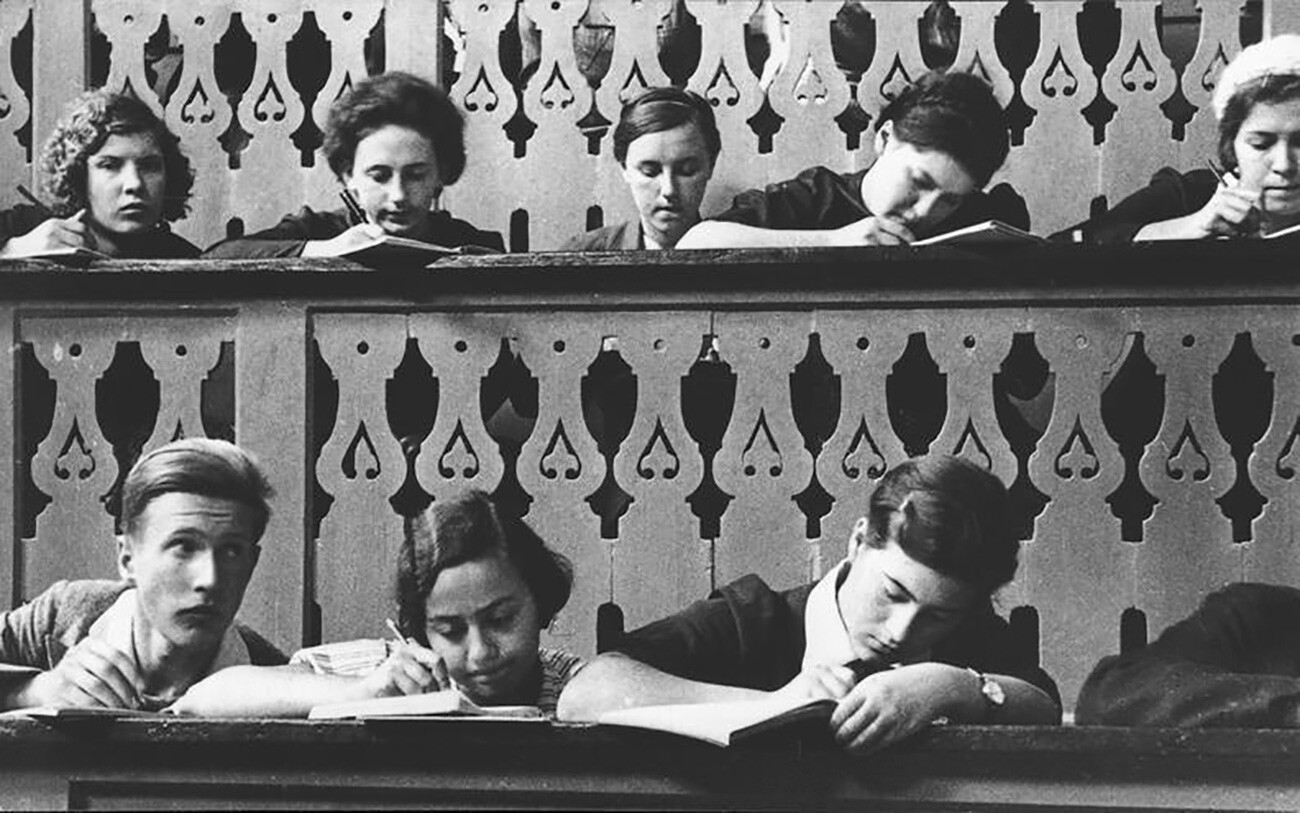
Ivan Shagin/MAMM/MDF/russiainphoto.ru
And here is the training of service dogs in the Red Army.
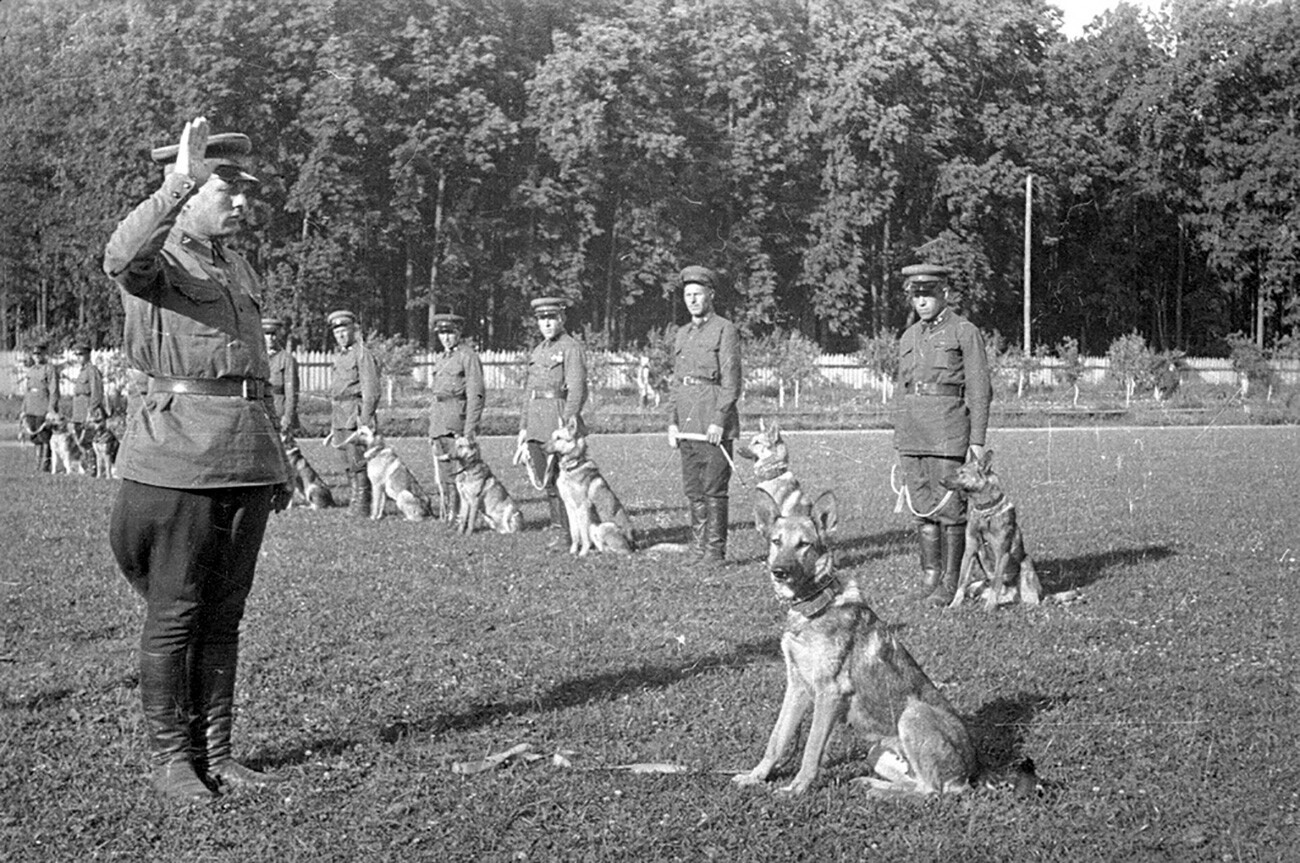
Alexander Ustinov/Ninel Ustinova archive/russiainphoto.ru/russiainphoto.ru
The 1930s were also the years of active collectivization of agriculture. The popular words ‘Kolkhoz’ (collective farm) and ‘kolkhoznik’ (its members) entered the language. The following photo shows collective farmers standing on a hayfield.
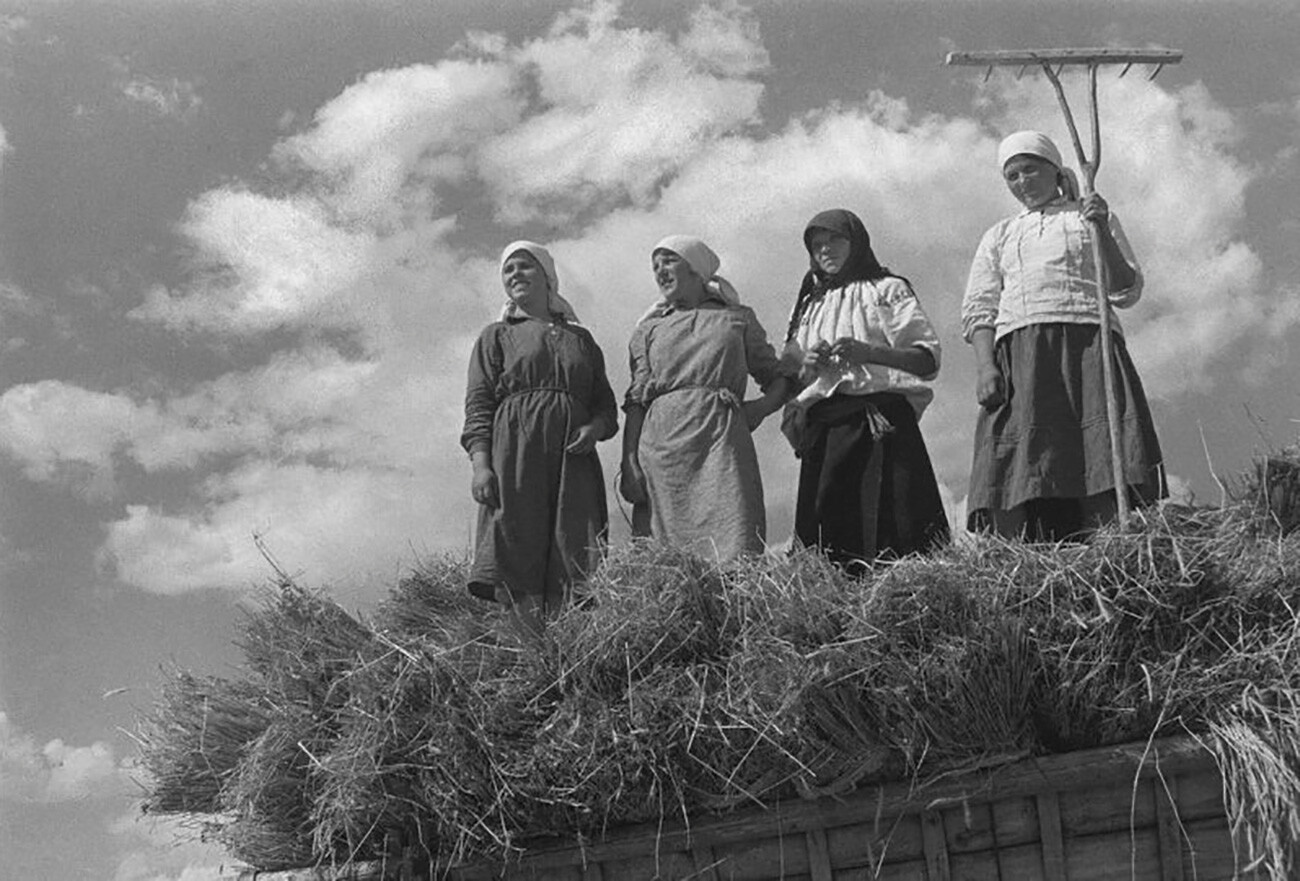
Mikhail Prekhner/MAMM/MDF/russiainphoto.ru
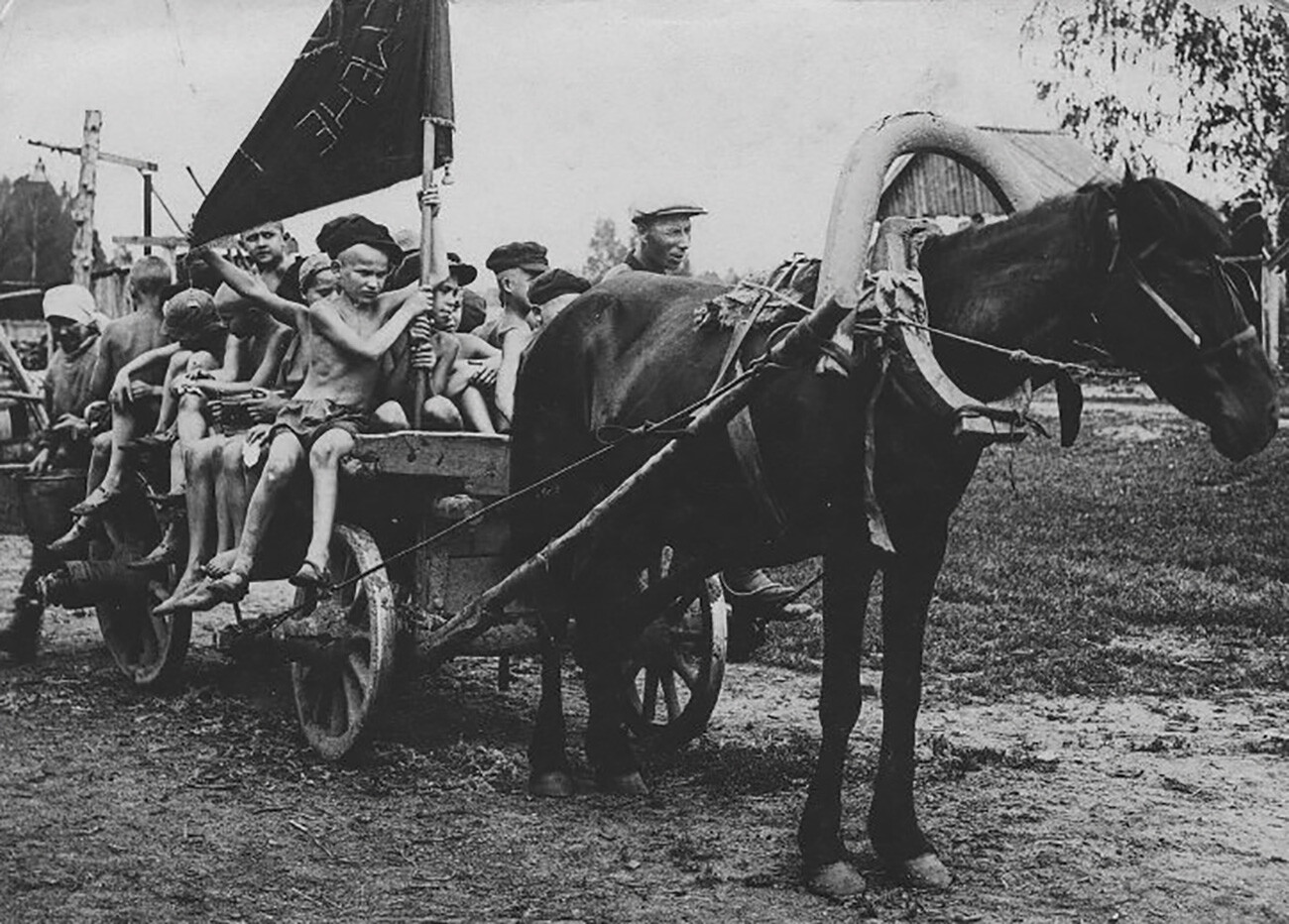
Many Soviet photographers began taking pictures of collective farm life. The photo below shows peasants returning home from work on public land.
Tea time in a rural house. Surprisingly, despite all the campaigns against religion, icons are still hanging in the hut pictured below.
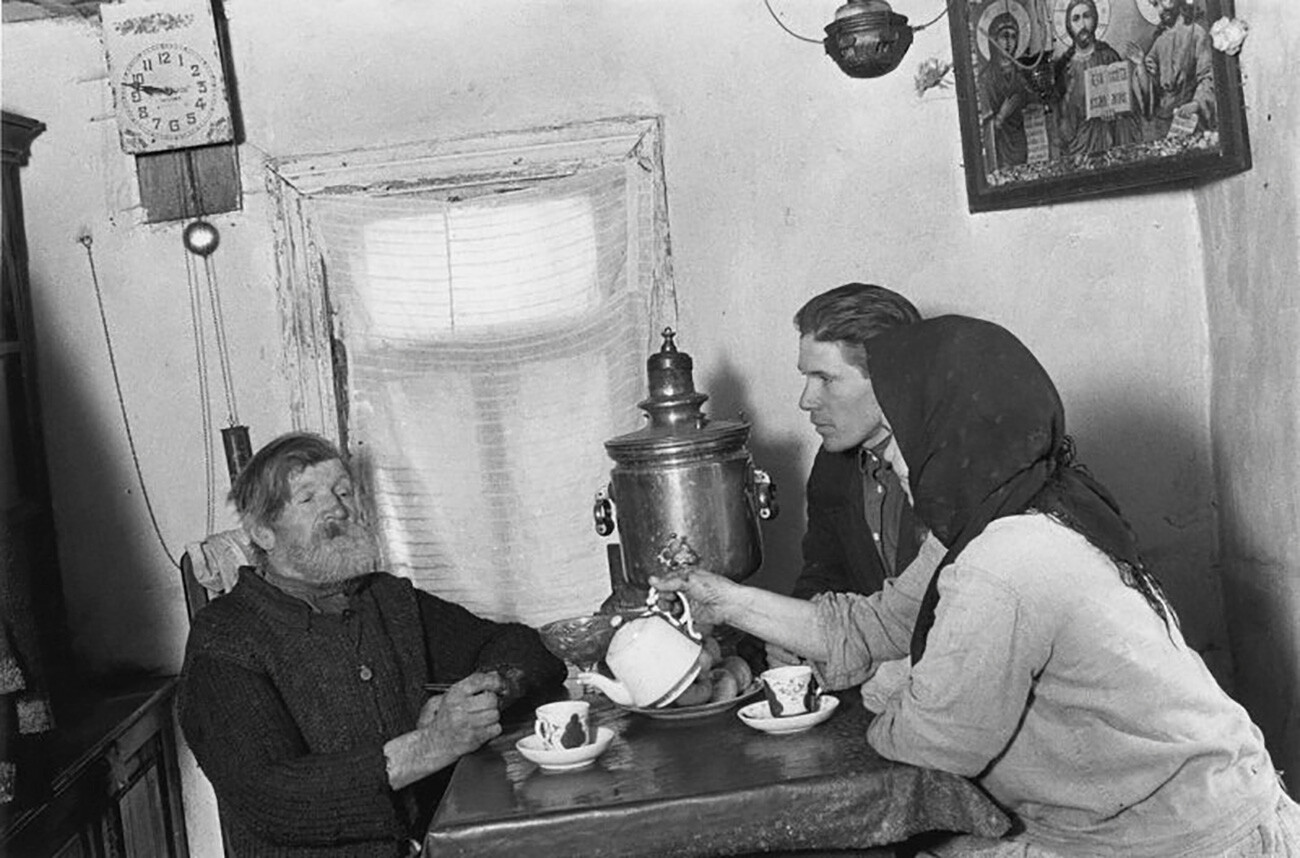
Mikhail Prekhner/MAMM/MDF/russiainphoto.ru
A female harmonist performs in the Caucasus.
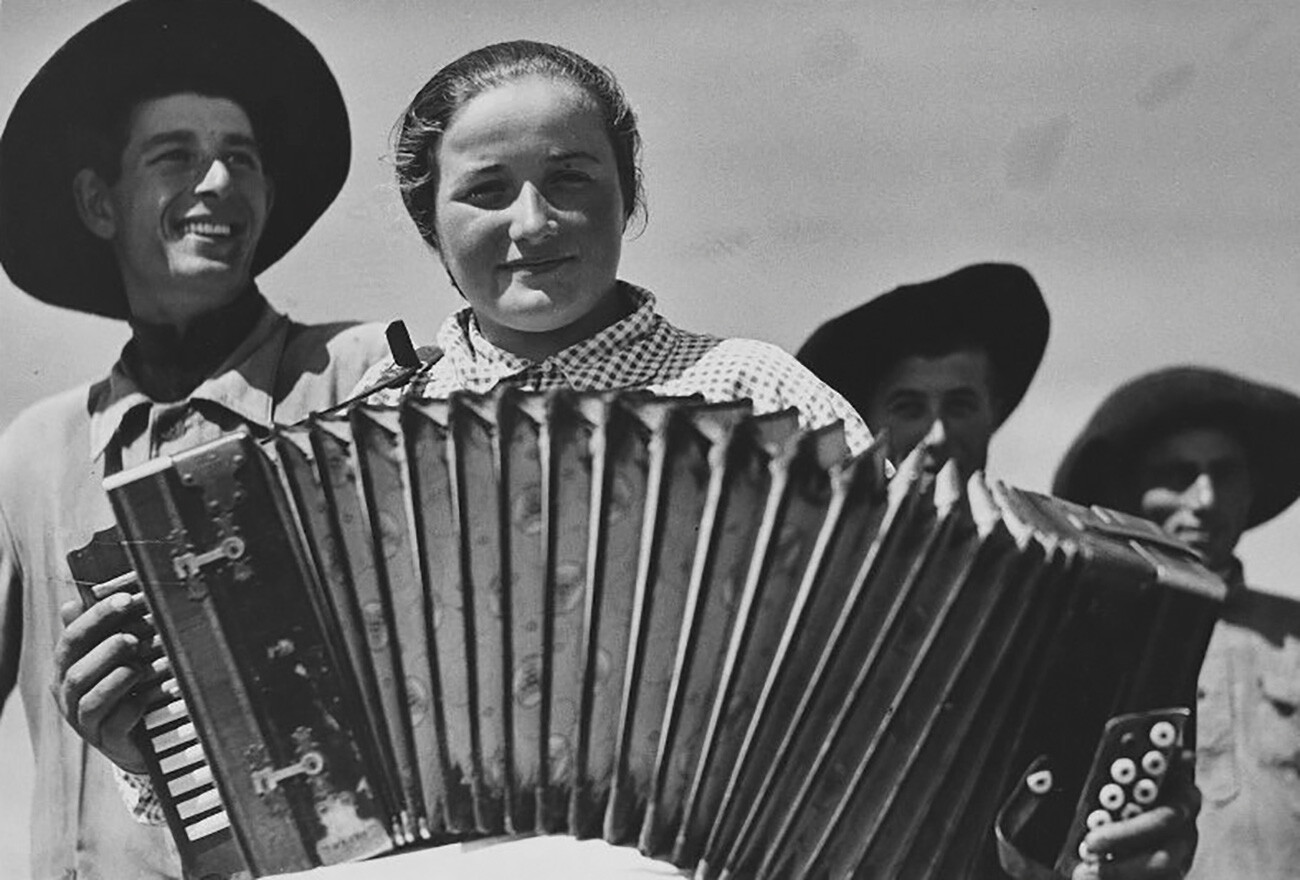
Mark Markov-Grinberg/MAMM/MDF/russiainphoto.ru
Dear readers,
Our website and social media accounts are under threat of being restricted or banned, due to the current circumstances. So, to keep up with our latest content, simply do the following:
- Subscribe to our Telegram channel
- Subscribe to our weekly email newsletter
- Enable push notifications on our website
- Install a VPN service on your computer and/or phone to have access to our website, even if it is blocked in your country
[ad_2]


Entertainment
Dubai launches ‘Dubai+’ family streaming platform to boost digital media and creative economy



Entertainment
Canada Super 60 set to dazzle with star-studded concert line-up at Vancouver’s BC Place


Dh500,000 fine, immediate closure: UAE cracks down on unlicensed universities

Sharjah announces residential parking permit in 3 neighbourhoods


