Connect with us

Business

Dubai retains top spot as global leader in Greenfield FDI

Published

on

Spread the love

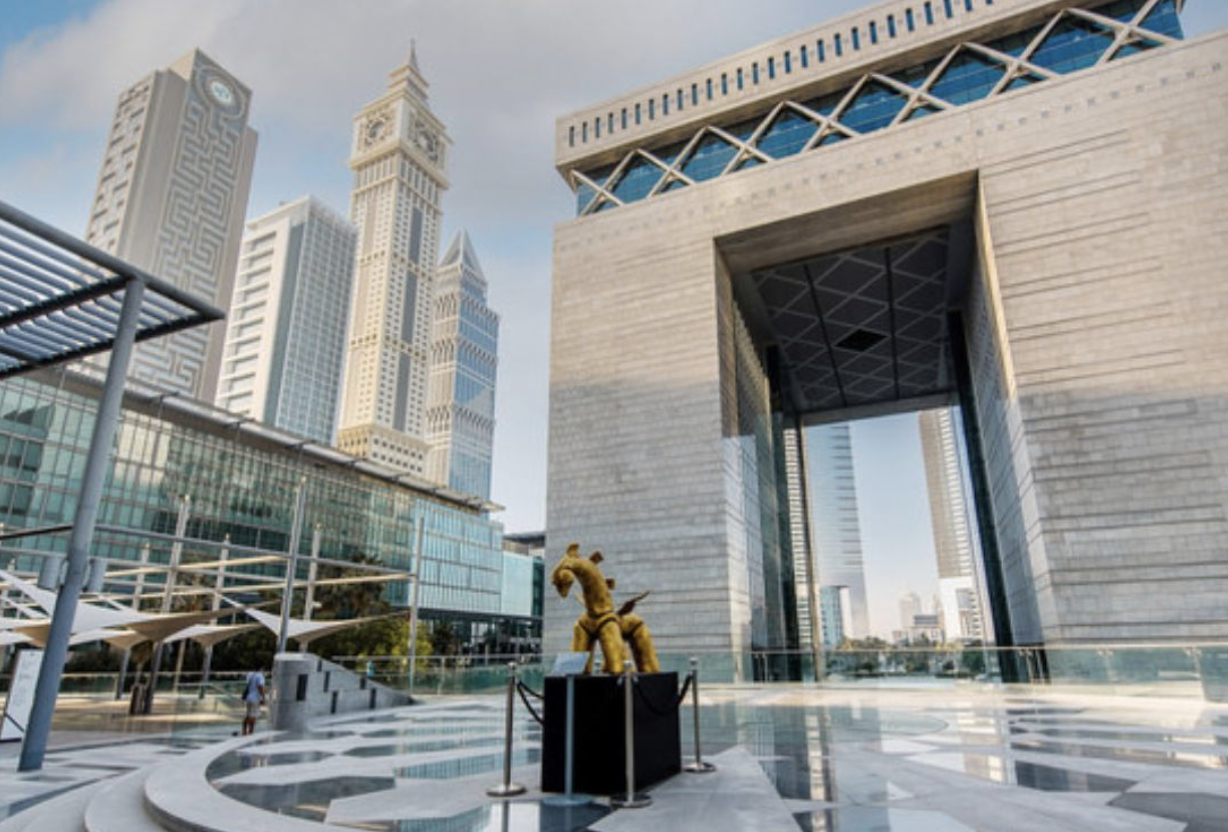
Dubai has once again cemented its status as the world’s No.1 destination for Greenfield Foreign Direct Investment (FDI) projects, maintaining its leading position for the fourth consecutive year, according to the latest data from Financial Times Ltd.’s ‘fDi Markets.’

In 2024, Dubai attracted an estimated Dh52.3 billion ($14.24 billion) in FDI capital, marking a 33.2% increase from Dh39.26 billion ($10.69 billion) in 2023. This represents the highest FDI value recorded for the emirate since 2020, underscoring its appeal as a prime global investment hub.

The emirate also achieved a new milestone by recording 1,117 Greenfield FDI projects in 2024, the highest in its history. In total, Dubai announced 1,826 FDI projects, an 11% increase from 2023, reinforcing its ability to attract international investment. The influx of FDI generated 58,680 new jobs in 2024, reflecting a 31% increase from the previous year and further demonstrating Dubai’s role as a major employment driver.

Strategic Vision and Investment Leadership

Dubai’s consistent FDI growth is the result of strategic economic planning, spearheaded by His Highness Sheikh Mohammed bin Rashid Al Maktoum, Vice President and Prime Minister of the UAE and Ruler of Dubai, and supported by Sheikh Hamdan bin Mohammed bin Rashid Al Maktoum, Crown Prince of Dubai.

The city’s investment policies align with the Dubai Economic Agenda D33, which aims to double the size of the emirate’s economy by 2033 and position it among the world’s top three urban economies.

Sheikh Hamdan stated, “Dubai’s ability to sustain its No.1 global ranking in Greenfield FDI attraction is a testament to its strategic vision and investor-centric approach. Despite global economic challenges, Dubai continues to offer a stable, forward-looking business environment that fosters long-term growth and innovation.”

What is Greenfield investment?
Greenfield investment (GI) refers to a type of foreign direct investment (FDI) where a company establishes operations in a foreign country. The company constructs new (green) facilities (sales office, manufacturing facility, etc.) cross-border from the ground up.

A Global Investment Magnet

Dubai’s ability to attract international capital is driven by its world-class infrastructure, investor-friendly regulations, and strategic geographic position. In 2024, the city ranked third globally in terms of job creation through inward FDI, up from fourth in 2023, while maintaining its top ranking in the Middle East and Africa (MEA). Key sectors contributing to this growth include business services, software and IT, real estate, financial services, and industrial equipment.

For the third consecutive year, Dubai was ranked No.1 globally in attracting Headquarter (HQ) FDI projects, securing 50 major HQ investments in 2024 alone. The city also saw a rise in investments across advanced sectors such as artificial intelligence (AI), cybersecurity, and e-commerce, further strengthening its position as a global technology and innovation hub.

Investment Confidence and Market Leadership

Helal Saeed Almarri, Director General of the Dubai Department of Economy and Tourism (DET), highlighted the emirate’s resilience in attracting capital. “Dubai’s ability to continuously draw foreign investment amid evolving global economic conditions is a reflection of its strong governance, strategic planning, and robust business ecosystem.”

According to ‘fDi Markets’ data, Dubai led in Greenfield FDI projects across multiple industries, including financial services, real estate, and technology. The emirate’s share of global FDI projects in Advanced Information Technologies (AIT) increased from 7.3% in 2023 to 8% in 2024, reinforcing its leadership in the digital economy.

Key Investment Sources and Sectors

Dubai’s top five FDI source countries accounted for 63% of total investment inflows in 2024, with India leading at 21.5%, followed by the US (13.7%), France (11%), the UK (10%), and Switzerland (6.9%).

The top sectors attracting FDI capital included hotels & tourism (14%), real estate (14%), software & IT services (9.2%), building materials (9%), and financial services (6.8%). Meanwhile, the most active sectors in terms of FDI projects were business services (19.2%), food & beverages (16.5%), and software & IT services (14.3%).

Future Outlook: Sustaining Growth Amid Global Shifts

Dubai’s outlook for FDI in 2025 remains positive despite global economic uncertainties. The emirate is expected to maintain its strong investment momentum, particularly in high-tech and innovation-driven sectors. With an investor-friendly regulatory environment and a focus on long-term economic stability, Dubai continues to attract major private equity and sovereign investors.

As the city advances toward its ambitious economic goals, Dubai remains a global benchmark for investment excellence, economic resilience, and business-friendly policies. Its ability to consistently deliver on its strategic vision ensures that it remains a top destination for international investment, trade, and innovation in the years ahead.

(Source: Wam)

With over 35 years of experience in journalism, copywriting, and PR, Michael Gomes is a seasoned media professional deeply rooted in the UAE’s print and digital landscape.

Continue Reading
Advertisement

Announcements

Dubai Loop explained: What Elon Musk’s underground transport project means for city’s residents

Published

on

Spread the love

Getting around Dubai could soon become much faster and easier. The city has confirmed that work on the Dubai Loop, an underground high-speed transport system developed by Elon Musk’s Boring Company, is set to begin soon, starting in some of Dubai’s busiest areas.

The announcement was made by Matar Al Tayer, Director General and Chairman of the Board of Executive Directors of the Roads and Transport Authority (RTA), at the World Government Summit.

The project aims to cut travel times, reduce traffic congestion, and make daily commutes smoother, especially in high-density districts.

So, what exactly is the Dubai Loop?

The Dubai Loop is a network of underground tunnels where electric vehicles will transport passengers directly from one station to another, without stopping in between. Think of it as skipping traffic lights, junctions and road congestion altogether.

Once completed, the system will span 24 kilometres and could move up to 20,000 passengers every hour, with plans to expand capacity even further in the future.

Where will it start?

The first phase of the project will launch in key areas that many residents already commute through daily:

  • Dubai International Financial Centre (DIFC)
  • Dubai Mall area

These locations were chosen because they see some of the heaviest traffic in the city, especially during peak hours.

When is it happening?

According to Dubai’s Roads and Transport Authority (RTA), construction on the first phase will start immediately once contracts are finalised.

  • First phase: 6km (costing Dh600 million)
  • Total project: 24km (Dh2.5 billion)
  • Estimated completion: Around two years

How fast will it be?

Very fast. The vehicles inside the Dubai Loop could travel at speeds of up to 160km/h, meaning residents could move between major destinations in just minutes.

Why underground?

By going underground, Dubai avoids:

  • Road closures and surface disruption
  • Weather-related delays
  • Expensive road expansion projects

The tunnelling technology used is also cheaper and faster than traditional road construction, helping the city deliver infrastructure efficiently.

How will this help residents?

For people living and working in Dubai, the Dubai Loop could mean:

  • Shorter commutes in congested areas
  • Less time stuck in traffic
  • Better connections between business districts, malls and transport hubs
  • A smoother “first and last mile” journey to metro stations

The system is expected to serve around 13,000 passengers daily in its early stages, with numbers growing as the network expands.

Has this worked elsewhere?

Yes. A similar underground transport system already operates in Las Vegas, where it has carried more than 2 million passengers since 2021. Dubai’s version will build on that experience, adapted for local needs.

What’s next?

Dubai Loop is part of the emirate’s broader push towards smart, sustainable transport. If successful, the network could expand to more areas of the city, helping residents get from A to B faster, without adding more cars to the roads.

For Dubai residents, this could mark the beginning of a new era of stress-free commuting beneath the city streets.


Continue Reading

News

A new neighbourhood hangout is coming to Dubai, and it’s designed around everyday living

Published

on

Spread the love

Life in Jumeirah Lakes Towers is set to get a major upgrade. DMCC, in partnership with Dubai-based developer Sweid & Sweid, has unveiled BAY360, a new mixed-use lifestyle destination that promises to make daily life in JLT easier, greener and more connected.

Planned as a community-first hub rather than a traditional retail development, BAY360 is all about convenience at your doorstep. Think morning grocery runs, casual coffee by the lake, wellness appointments, family-friendly spaces and evening padel matches, all within walking distance.

Set along Lake D, the development will retain most of the existing waterfront, ensuring the area’s open, lakeside feel remains intact. The design focuses on pedestrian-friendly spaces, encouraging residents to stroll, linger and socialise, while seamlessly blending into the existing neighbourhood.

At the heart of BAY360 will be a 22,000-square-foot Spinneys supermarket, offering a modern, premium grocery experience for JLT residents. Surrounding it will be a curated mix of cafés and restaurants, including lake-facing dining spots with outdoor terraces, ideal for relaxed breakfasts, sunset dinners or casual meet-ups.

The lifestyle offering goes beyond food. BAY360 will also include medical facilities, wellness and lifestyle retail, rooftop padel courts, and outdoor family spaces, all designed to support day-to-day living rather than just weekend visits. An underground car park with around 300 spaces will help keep the area accessible without cluttering the streets.

The project also forms part of a wider refresh of the JLT public realm. DMCC and Sweid & Sweid will upgrade the areas around Lake D, introducing more greenery, seating and walkways, and creating a clearer pedestrian route connecting the metro station to JLT Park. The goal is simple: make moving around JLT smoother, safer and more enjoyable.

With completion expected by the end of 2027, BAY360 aims to become a natural extension of daily life in JLT, a place where errands, exercise, dining and downtime all come together in one thoughtfully designed space.

For residents, it’s less about a new development and more about a better way to live in one of Dubai’s most established neighbourhoods.

Continue Reading

Announcements

UAE NRIs can now own bigger stakes in Indian companies: Budget 2026 Doubles Investment Limits

Published

on

Spread the love

The Union Budget 2026-27 has opened up new opportunities for Non-Resident Indians (NRIs) looking to invest and participate in India’s growth story. From equity ownership to real estate and tax incentives, here’s what NRIs need to know:

Higher Equity Ownership Limits

  • Individual NRI investors can now hold up to 10% in listed Indian companies, double the previous limit of 5%.
  • The aggregate NRI ownership limit increases from 10% to 24%, allowing greater influence in high-growth sectors like technology, healthcare, and consumer goods.
  • This reform makes India’s capital markets more accessible and attractive for global Indian investors.

Simplified Real Estate Transactions

  • NRIs buying property from Indian residents no longer need a Tax Deduction and Collection Account Number (TAN) to deduct tax at source, reducing compliance burdens.

Tax Incentives for NRIs

  • Five-year tax exemption for overseas income earned by NRIs visiting India under government-notified schemes.
  • Exclusion of certain non-resident businesses under presumptive taxation from Minimum Alternate Tax (MAT).
  • Time-bound relief measures for small taxpayers with foreign assets or legacy non-disclosures, enabling voluntary compliance.

Why It Matters

  • Increased ownership gives NRIs more influence and strategic control in Indian companies.
  • Simplified regulations reduce compliance headaches for both investments and real estate transactions.
  • Encourages deeper NRI participation in India’s fast-growing economy.

NRI Action Points:

  • Review your portfolio exposure and consider increasing stakes in Indian equities.
  • Work with financial advisors familiar with NRI rules to ensure compliance.
  • Diversify across sectors while monitoring currency and tax implications.

India is signalling confidence in the global Indian diaspora by making it easier to invest and participate in the country’s economic growth. NRIs now have a clear pathway to take a larger stake in Indian companies, own property with ease, and enjoy tax benefits, making this a pivotal moment for global Indian investors.

Continue Reading

Popular

© Copyright 2025 HEADLINE. All rights reserved

https://headline.ae/