
Announcements
This bank in UAE has given salary hikes to adjust for inflation

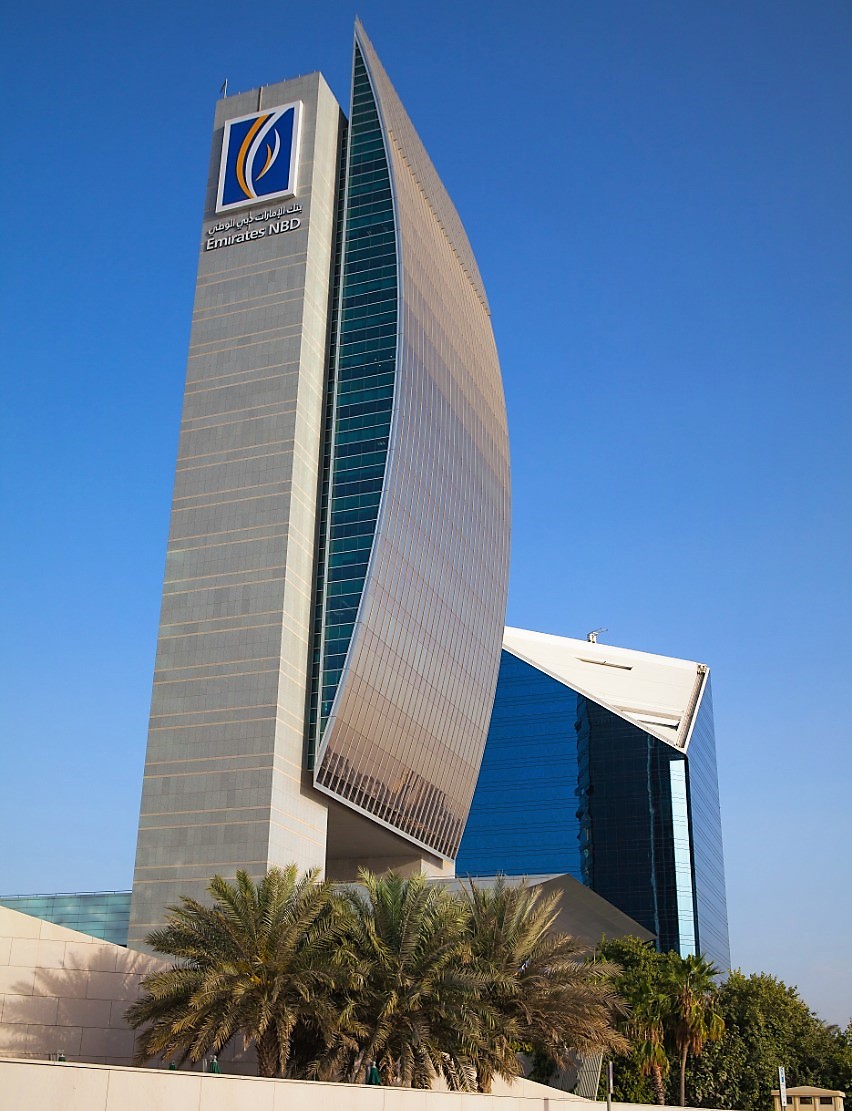
Dubai’s biggest bank Emirates NBD has given most employees a pay rise of up to 8% to help cushion against rising costs of living driven by inflation, two sources familiar with the matter have told Reuters.
The increases varied according to seniority and were part of a mid-cycle salary adjustment for inflation, with top executives receiving smaller or no increases, the sources said.
Most employees received a pay rise of between 5% and 8%, with lower-paid staff receiving the biggest increase, one of the sources, who has direct knowledge of the matter, said.
Emirates NBD, majority owned by Dubai’s government, said it did not comment on staff-related matters.
“As a people-first organization and a leading employer, Emirates NBD has remained committed to initiatives and policies that support staff well-being, while adopting a robust employee recognition program,” a spokesperson added in an emailed response to a Reuters query.
It was not immediately clear if the salary increases were only for employees in the country. The bank also has operations in Egypt, India, Turkey and elsewhere.

Annual inflation in the oil-producing Gulf state reached 3.4% in the first quarter, according to the central bank, which has projected 5.6% inflation for the year. The UAE has not published monthly inflation figures this year.
The trajectory of price increases represents a significant turnaround from deflation throughout 2019, 2020 and the first seven months of 2021.
In recent months people have voiced concerns over increasing living costs in the UAE, with retail fuel prices now up around 55% so far this year, falling from a high of about 80%.
The UAE is the only Gulf Arab country without a cap on domestic fuel prices, leading to petrol costs surging at the pump.
Dubai average rental prices for apartments and townhouses rose by 29% and 33% in the first half of the year and for villas by 64%, according to Betterhomes, as the property market continued a strong post-pandemic recovery.
Emirates NBD in late July reported a 42% jump in second quarter profit to 3.5 billion dirhams ($952.98 million).
The Central Bank of the UAE has increased its base rate a cumulative 225 basis points since March in parallel with the US Federal Reserve, because its currency is pegged to the dollar, as central banks globally battle historic inflation.
— Reuters


Announcements
Inside The Plaza at Uptown Dubai: An open-air venue set to transform the city’s business and events scene


In a city that thrives on bold ambition and global connection, a new landmark has quietly taken its place at the heart of Dubai’s business future.
DMCC has officially opened The Plaza at Uptown Dubai, a 21,000 square metre open-air destination designed to host everything from high-level corporate summits to large-scale concerts and community gatherings.
For UAE residents and business leaders alike, this isn’t just another development announcement. It’s a signal that Uptown Dubai is stepping into a new era.
A new gathering space in town

Strategically positioned at the centre of Uptown Dubai, The Plaza physically connects the iconic Uptown Tower with the district’s wider commercial and residential community.
Designed to accommodate up to 4,000 guests, the venue features advanced staging, lighting and digital display infrastructure, enabling year-round programming and rapid event turnover.
For Dubai’s fast-moving corporate ecosystem, that means seamless hosting of:
- Global trade conferences
- Finance and technology forums
- Industry expos
- Cultural performances
- Community celebrations
In a city known for world-class event venues, The Plaza adds something different: scale, accessibility and integration within a thriving business district.
For UAE residents, the venue offers more opportunities for networking, collaboration and global visibility without leaving the city.
Next business hub taking shape

The Plaza’s launch comes as Uptown Dubai moves into its next development phase.
Currently under construction:
- Two commercial towers (23 and 17 storeys)
- 62,000 square metres of additional Grade A commercial and retail space
Once complete, the full district will deliver:
- 538,000 square metres total gross floor area
- 232,000 square metres dedicated to Grade A commercial office space
What’s in it for residents
For professionals, it means:
- More international events are hosted locally
- Increased networking and industry exposure
- Expanded commercial opportunities
For residents, it offers:
- Open-air concerts and cultural events
- Community experiences within a premium urban setting
- A new social hub integrated into Dubai’s skyline
Announcements
Sheikh Mohammed appoints Abdulla bin Damithan to lead Dubai Ports body as DP World names new CEO


India–UAE flight update: Air India, IndiGo, SpiceJet add extra services for stranded passengers

Dubai new public safety law: What residents need to know


