Connect with us

Real estate

BCD Global launches first Dubai project in Warsan as Dubai’s residential market eyes strong 2026 growth

Published

on

Spread the love

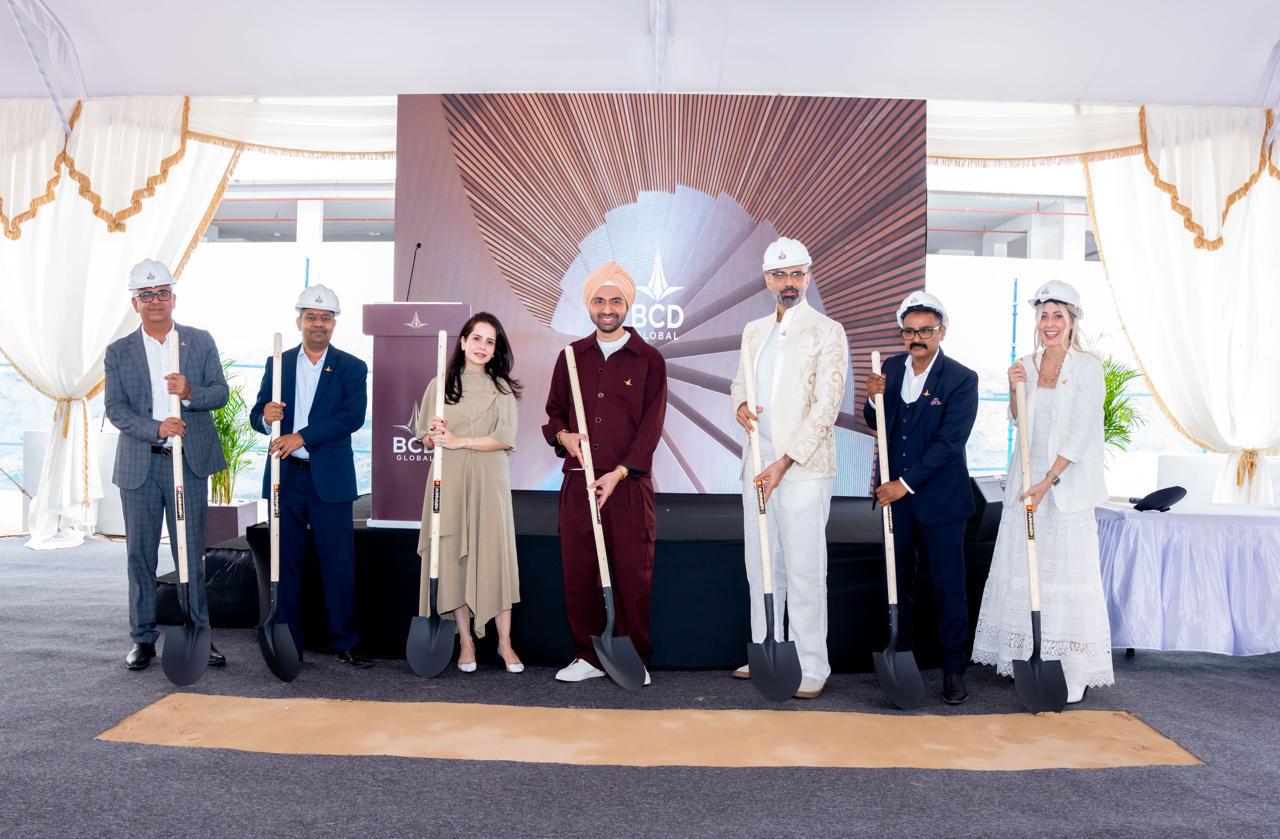
BCD Global has officially broken ground on its first Dubai project in the fast-growing Warsan district, right as the city’s residential market gears up for a strong 2026.

This freehold development brings one- and two-bedroom homes designed for mid-market buyers and long-term investors, built with durability, compliance, and sustained value in mind.

“Breaking ground is a moment of accountability,” said Chairman Dr. Angad Singh Bedi, as BCD Global begins construction backed by a zero-debt, vertically integrated platform and a legacy of delivering 155+ million sq ft across 7 countries.

“With this project, the focus is on durability, in design, in compliance and in value creation over time,” he added.

Dubai’s property story continues to impress
• Dh917 billion in transactions in 2025 (+20% YoY)
• Prices around Dh1,597/sq ft
• Rental yields holding strong at 6-8%, outperforming many global markets

As Dubai becomes BCD Global’s Middle East HQ, the focus is clear: Freehold ownership, full RERA compliance, and homes built for long-term rental demand, not short-term speculation.

“Dubai remains one of the few global cities where residential real estate still offers a compelling combination of yield, transparency and long-term growth,” said Amit Puri, CEO of the 70-year-old legacy Indian company that announced its formal entry into the Middle East, naming Dubai as its regional headquarters at the start of the year. 

“This project has been structured to align with that reality, freehold ownership, full regulatory compliance and a product designed for sustained rental demand rather than short-term speculation.”

With nearly 300,000 new homes expected by 2028 and rental demand projected to stay resilient in 2026, this project marks the first step in a broader pipeline targeting Dh300 million in revenue by Q1 2026, starting with its first project in Warsan.


With over 35 years of experience in journalism, copywriting, and PR, Michael Gomes is a seasoned media professional deeply rooted in the UAE’s print and digital landscape.

Business

Dubai rental trends: Where expats can get the most value

Published

on

Spread the love

Dubai continues to attract professionals, families, and digital nomads seeking long-term apartment rentals, thanks to its strong economy, modern lifestyle, and world-class infrastructure.

However, for newcomers, finding the right apartment that fits both budget and lifestyle can feel overwhelming.

Here are some of the top areas in Dubai for long-term rentals, based on tenant preferences, amenities, and rental trends:

Think luxury

  • Dubai Marina
    Still one of the most in-demand expat hubs, prices vary a lot by tower, view, and furnishing.
    Typical rents:
    Studio: Dh55,000 – 110,000
    1BR: Dh75,000 – 135,000
    2BR: Dh110,000 – 200,000
    3BR: Dh200,000 – 350,000

  • Market note:
    Median rent sits around Dh130,000 across unit types
    Waterfront views and newer towers push prices to the top end.

    Palm Jumeirah (Palm Islands)
    This is a completely different tier—think luxury, beachfront, and limited supply.
    Typical annual rents:
    1BR (apartments): Dh 140,000 – 200,000
    2BR: Dh 250,000 – 350,000
    3BR apartments: Dh 500,000 – 700,000

Best for families with quality living

  • Dubai Hills Estate:
    Green, peaceful, and family-focused. Popular for expat families, with top schools and long-term tenant stability.

Typical rents:

  • 1BR: Dh80,000–120,000
  • 2BR: Dh130,000–190,000
  • Jumeirah Village Circle (JVC):
    Affordable, community-driven living with parks and strong rental yields. Ideal for families seeking quiet suburban life.

Typical rents:

  • Studio: Dh45,000–65,000
  • 1BR: Dh65,000–95,000

Best for professionals and city life

  • Business Bay:
    A central business hub with high demand, perfect for young professionals and entrepreneurs.

Typical rents:

  • Studio: Dh60,000–85,000
  • 1BR: Dh85,000–130,000
  • Downtown Dubai:
    Premium urban lifestyle near offices, dining, and entertainment.
  • 1BR: Dh110,000–180,000
  • 2BR: Dh180,000–280,000
  • Dubai Marina:
    Vibrant waterfront living with high-rise apartments and strong rental appeal.
  • Studio: Dh70,000–95,000
  • 1BR: Dh95,000–140,000

Best for affordable rentals and value

A practical choice for professionals working in tech or nearby zones. Known for quieter living and relatively lower rents.

International City
Remains one of Dubai’s most budget-friendly areas, popular for first-time expats or singles.
Typical rents:

  • Studio: Dh30,000–45,000
  • 1BR: Dh45,000–65,000

Al Barsha
Well-connected (especially via metro) and still offers decent value compared to newer developments.
Typical rents:

  • 1BR: Dh70,000–100,000
  • 2BR: Dh100,000–150,000

Discovery Gardens 

This is firmly in the ‘affordable but spacious’ category. This neighbourhood is popular with expats who want bigger apartments without Marina-level prices.

 Typical annual rents:

  • Studio: Dh 30,000 – 55,000
  • 1BR: Dh45,000 – 72,000
  • 2BR: Dh65,000 – 110,000
  • 3BR: Dh90,000 – 120,000

 Market reality:

  • Average rents sit around Dh 54,000 – 68,000/year, depending on unit type
  • Studios start at Dh 47,000, while 2BR units can go up to Dh 110,000
  • Still one of the best ‘space-for-money’ areas in Dubai, with larger layouts than newer buildings

How it compares 

  • Discovery Gardens: Budget-friendly + bigger units + metro access
  • Cheaper than JVC and much cheaper than Dubai Marina
  • Trade-off: Older buildings + less ‘premium’ feel

For expats prioritising affordability, older central neighbourhoods such as Al Karama, Bur Dubai, and Deira continue to offer relatively lower rents compared to newer communities.

On the fringe

Further savings can be found in areas like Al Qusais, Muhaisnah, and outer residential zones, where rents are more accessible, but often at the cost of longer commute times and fewer modern amenities.

Typical budget range (older areas):

  • Studio: Dh28,000–50,000
  • 1BR: Dh45,000–75,000

Why Dubai is still ideal for long-term rentals

  • Flexible payment options (1–4 cheques or annual upfront)
  • High-quality amenities (gyms, pools, parking in most buildings)
  • Strong, expat-driven rental market
  • Wide mix of luxury, mid-range, and budget communities

How to choose if you’re new to the city

With rising rents, the decision often comes down to trade-offs:

  • Want energy and convenience? – Business Bay, Downtown, Marina
  • Want space and community living? – Dubai Hills, JVC
  • Want affordability? – Silicon Oasis, International City, Deira

In 2026, several residents are compromising on location to gain space or save 15–25% on rent, especially with hybrid work becoming common.

Continue Reading

Business

Dubai’s Burj Al Arab is getting a facelift: Inside the iconic hotel’s first major renovation

Published

on

Spread the love

The world’s most famous ‘seven-star’ hotel is officially getting some work done. For the first time since its doors swung open in 1999, the Burj Al Arab is undergoing a massive restoration. Don’t worry, though, the sail-shaped structure isn’t going anywhere. Jumeirah Group is just making sure this Dubai luxury property stays looking fresh for the next generation.

What’s the plan

This isn’t just a quick coat of paint. We’re talking about an 18-month phased restoration led by the renowned designer, Tristan Auer. If the name sounds familiar, it’s because he’s the mastermind behind the stunning Hotel de Crillon in Paris and a protege of the legendary Philippe Starck.

The hotel will, however, be running during the renovation process, which also includes modernising the interiors. 

Why is Burj famous

The Burj Al Arab is more than just a place to sleep, rest and enjoy the luxury comforts, it’s basically the face of Dubai. Here’s a quick refresher on why this building is iconic:

  • The height: It towers at 321 meters on its own private island.
  • The bling: The interiors are packed with marble, gold leaf, and Swarovski crystals.
  • The icon status: From helipad tennis matches with Roger Federer to its massive 450kg crystal chandelier, it put Dubai on the luxury map 27 years ago.

Preserving the icon

As Dubai grows, the city is shifting its focus toward preserving its modern icons. By giving the Burj Al Arab a thoughtful facelift now, they’re ensuring that the ‘Sail of Dubai’ remains the ultimate symbol of global luxury without losing the original character that made it famous in the first place.

According to the Jumeirah Group, the renovation is aimed at preserving one of the emirate’s most famous symbols for future generations.

Continue Reading

Announcements

What Abu Dhabi’s new real estate rules mean for buyers, developers and investors

Published

on

Spread the love

Abu Dhabi has introduced a new set of regulations through the Department of Municipalities and Transport (DMT) to strengthen oversight of the property market and protect investor interests. Here’s a simple breakdown of what’s changing and why it matters.

What are these new decisions about?

The rules are part of updates to the emirate’s real estate law and aim to:

  • Improve transparency
  • Protect buyers’ money
  • Reduce disputes
  • Create a more investor-friendly market

They are being implemented with oversight from the Abu Dhabi Real Estate Centre.

Stricter rules for escrow accounts

Developers often use escrow accounts to fund construction.

What’s new?

  • Withdrawals before 20% project completion are now tightly regulated
  • Developers must provide bank guarantees and approved cost plans

Why it matters:
This ensures buyers’ money is not misused and projects stay financially secure.

Clearer rules for jointly owned properties

This applies to buildings, communities, and shared facilities.

What’s new?

  • Defined roles for owners, developers, and property managers
  • Standardised management of common areas

Why it matters:
Better maintenance, fewer disputes, and clearer accountability.

Owners’ committees get a unified framework

Owners’ committees help manage residential communities.

What’s new?

  • Standard bylaws across Abu Dhabi
  • Clear rules on how committees are formed and operate

Why it matters:
More organised community management and stronger owner participation.

Compensation and refunds made clearer

Covers situations where:

  • Buyers default on payments
  • Projects are cancelled and units resold

What’s new?

  • Defined compensation percentages for developers
  • Clear timelines and procedures for buyer refunds

Why it matters:
Creates a fair balance between developers and buyers while speeding up dispute resolution.

These changes aim to:

  • Boost investor confidence
  • Strengthen market transparency
  • Align Abu Dhabi with global real estate standards

In short, the new framework is designed to make the property market safer, clearer, and more efficient for everyone involved, from first-time buyers to large-scale investors.

Continue Reading

Popular

© Copyright 2025 HEADLINE. All rights reserved

https://headline.ae/