Connect with us

UAE

Sheikh Mohammed announces massive ‘Dubai Walk’ project to make city pedestrian-friendly

Published

on

Spread the love

After Dubai’s aim to become a bicycle-friendly city, the emirate announced an extensive plan to make an integrated walking network on Saturday, December 7.

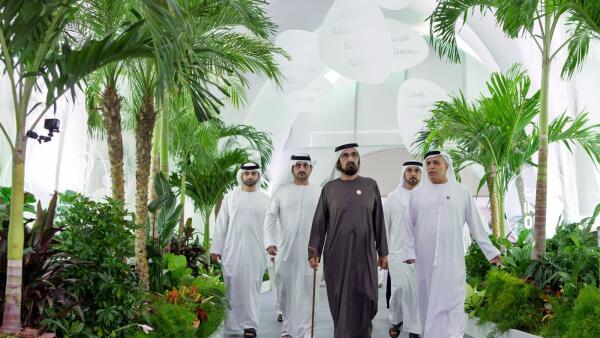
His Highness Sheikh Mohammed bin Rashid Al Maktoum, Vice-President and Prime Minister of UAE and Ruler of Dubai, took to X to inform residents of the development of walkways spanning 3,300km in a project named ‘Dubai Walk’.

This massive project, set to begin in two areas – Museum of the Future and Al Ras – is an effort to make the city pedestrian-friendly all year long. Corridors and areas between buildings will feature innovative cooling solutions.

Aside from the pathways, it also includes the construction of 110 pedestrian bridges and tunnels, 112km of waterfront pathways, 124km of green walking trails, and 150km of rural and mountainous pedestrian paths.

Initial pathways

The initial implementation of the project will take place at two iconic locations, which will give pedestrians a glimpse into the the past and the future of the city.

1. Museum of the Future:

The pathways will showcase the emirate’s futuristic vision and will include a 2km-long bridge, a climate-controlled walkway, open spaces, and commercial areas.

This pathway will connect major hubs, including the Dubai World Trade Centre, Museum of the Future, Emirates Towers, Dubai International Financial Centre, and metro stations.

2. Al Ras:

This location will take pedestrians back to the past with a 15km trail. It will bring historical and waterfront areas to life while also incorporating green spaces and public displays.

3-phase implementation plan

The ‘Dubai Walk’ project will roll out in three phases, focusing first on key areas such as Al Barsha 2, Al Khawaneej 2, and Al Mizhar 1, and later expanding to 160 neighbourhoods. It will include pathways for neighbourhoods, urban areas, and tourist spots.

Three main bridges will be built, these are:

1. A bridge on Al Ittihad Street connecting Al Nahda and Al Mamzar.

2. A bridge on Tripoli Street linking Al Warqa and Mirdif.

3. A bridge on Dubai-Al Ain Road connecting Dubai Silicon Oasis and Dubailand.

The plan aims to establish more than 6,500km of interconnected pathways through the emirate – of which 3,300km will be created, while 2,300km of pathways will be rehabilitated by 2040. After 2040, additional pathways spanning 900km will be built.

Smart app to be launched

A new smart application will also be launched, encouraging residents and visitors alike to walk. The application will track their walking route, steps and duration and will incentivise users for walking.

Users of the application can get points for walking and redeem them for discounts or credit in an e-wallet. The app will also inform users about local attractions, like art displays and events, making it a valuable tool for encouraging walking.

Redefining mobility

Redefining the concept of mobility, Sheikh Mohammed said that this is an effort to build a model for a city “where people live the best, happiest, most comfortable, healthy, and balanced lives.”

The Ruler added, “In the coming years, residents of Dubai will be able to move around by walking, cycling on dedicated tracks, using the city’s extensive road and bridge network, riding the metro with its new lines, taking water taxis, or even flying taxis on designated aerial routes.”

The project is in line with Dubai’s 20-minute city plan, where by 2040, residents will be able to access daily needs and destinations within 20 minutes by foot or bicycle.

As a trainee reporter and creative lead, I focus on curating engaging content and managing the social media presence for the company. I aim to connect audiences with relevant, impactful news through multiple digital platforms.

News

Landing a private-sector job just got a lot easier for Emiratis

Published

on

Spread the love

The Ministry of Human Resources and Emiratisation (MoHRE) has rolled out a new digital service called the Emirati Work Bundle in the Private Sector, designed to simplify everything from job hunting to pension registration, all in one streamlined journey.

Launched in collaboration with several local and federal government entities, the initiative is part of the UAE’s Zero Government Bureaucracy Programme and aims to make life easier for Emirati citizens entering the private sector, as well as for employers hiring them.

The new bundle connects multiple government platforms behind the scenes, allowing data to be shared automatically between MoHRE and key authorities, including ICP, GPSSA, Nafis, health entities, pension funds, and Digital Dubai. The result? Fewer forms, fewer steps, and faster approvals.

From the moment an Emirati registers on the Nafis platform and starts looking for a job, the system follows them through their hiring process, employment registration, and enrolment in pension and social security schemes, without the usual paperwork overload.

Officials say the goal is to save time, cut red tape, and improve the overall experience for both jobseekers and private-sector companies, while strengthening Emiratisation and ensuring Emiratis are properly registered for long-term social protection.

By standardising information requirements and integrating digital systems across government entities, the Emirati Work Bundle aims to deliver faster, smarter services and set a new benchmark for how government services work together in the UAE.

Continue Reading

News

Ramadan 2026 in UAE: Shorter winter fasting hours, possible 3-Day Eid weekend

Published

on

Spread the love

Good news for anyone already counting down to Ramadan, this year’s holy month is set to fall during the UAE’s winter season, making fasting more comfortable than usual.

According to astronomers, Ramadan will arrive toward the end of winter and the start of early spring, bringing milder temperatures, cooler evenings, and shorter fasting hours, expected to be around 30 minutes shorter than Ramadan 2025, making it one of the more comfortable Ramadans in recent years.

When Is Ramadan Likely to Start?

With Shaaban officially beginning on January 20, astronomers can now predict Ramadan’s timing more accurately. The UAE will look for the Ramadan crescent moon on February 17, though experts say it’s unlikely to be sighted that night.

The best chance to spot the crescent is expected on February 18, which would mean Ramadan begins on February 19. This date also aligns with the official calendar issued by Awqaf, adding weight to the prediction.

Could Eid Al Fitr be a Long Weekend?

Once Ramadan ends, all eyes will turn to the Shawwal moon. Astronomers say the most likely date to sight the Shawwal crescent is March 19, which would place Eid Al Fitr on Friday, March 20.

If confirmed, Eid holidays would run from March 20 to March 22, giving many residents a three-day weekend, a pretty great way to wrap up the holy month.

What About the Weather, Fasting Hours?

Because Ramadan falls during a seasonal transition this year, fasting should be more manageable. Expect pleasant evenings, cooler nights, and daytime temperatures ranging from the mid-20s°C early in the month, rising to the high-20s°C toward the end.

Iftar, Suhoor timings

Shorter fasting days will also mean earlier Iftar times, especially at the start of Ramadan. In Dubai, sunset, and Iftar, is expected to be around 6.15pm at the beginning of the month, moving to approximately 6.23pm by mid-Ramadan and 6.30pm toward the end. Abu Dhabi’s Iftar timings will be slightly later, with sunset expected around 6.19pm at the start, 6.26pm midway through the month, and 6.33pm by the final days.

As for Suhoor, the pre-dawn meal is expected to end between 5.00am and 5.20am during the early days of Ramadan, gradually shifting as the month progresses.

A winter Ramadan, shorter fasting hours, and the possibility of a long Eid weekend, this year’s holy month is shaping up to be a gentler one.

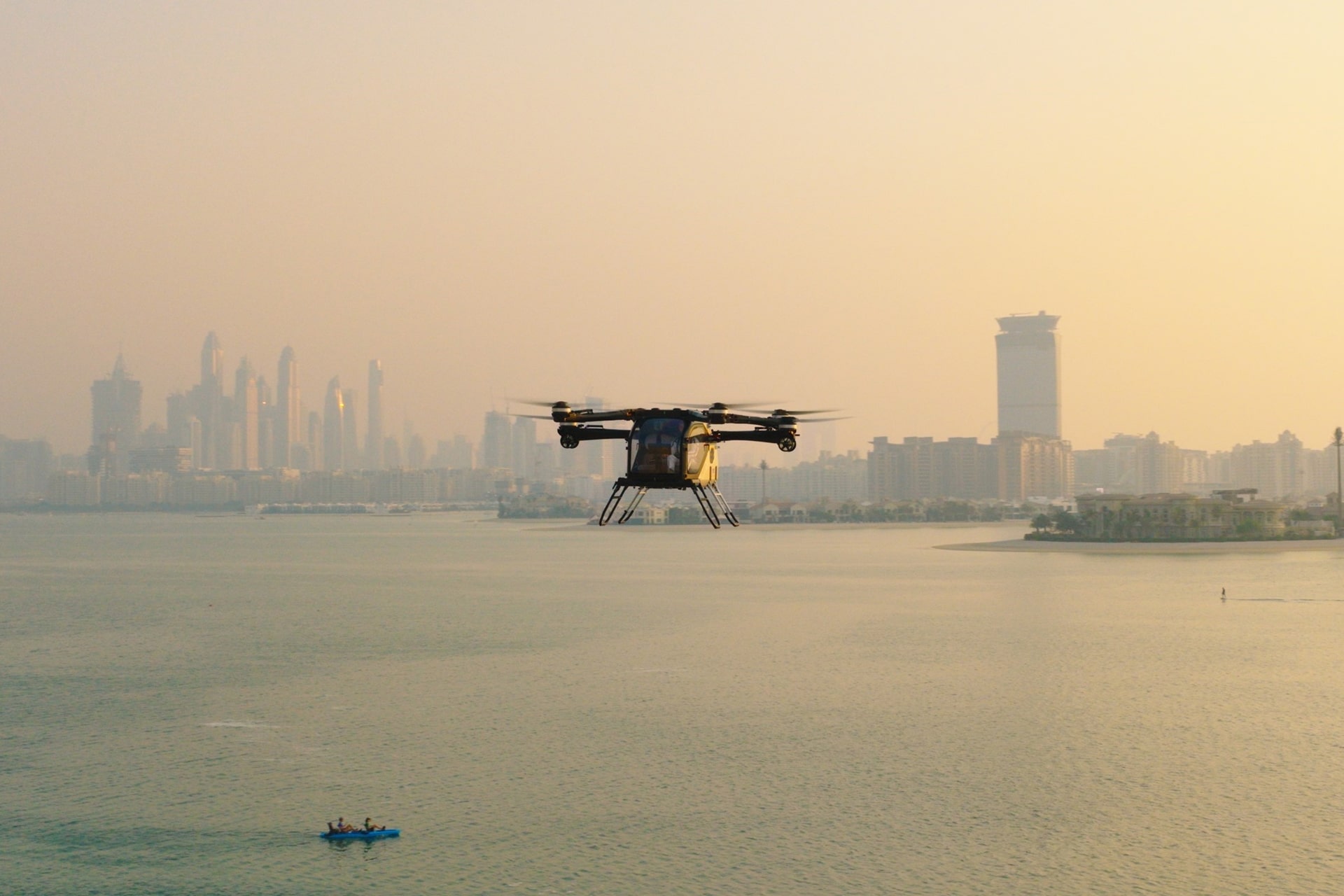
Now we wait for the sighting of the Ramadan moon. Last year, the UAE Council for Fatwa used AI-powered drones to sight the crescent marking the beginning of the holy month.

Continue Reading

News

2026 is Year of the Family: Here’s how the UAE is putting families first

Published

on

Spread the love

The UAE has officially declared 2026 as the Year of the Family, and at its heart, the message is simple: strong families build strong societies.

Announced under the directives of President His Highness Sheikh Mohamed bin Zayed Al Nahyan, the Year of the Family puts the spotlight on what has always been a cornerstone of life in the UAE, close-knit families, shared values and collective responsibility.

Far from being symbolic, the initiative is about recognising the family as the starting point of everything from social stability to national identity.

For decades, the UAE has placed people at the centre of development. Families here are not viewed simply as traditional units, but as spaces where values are shaped, identity is formed, and future generations are nurtured. That philosophy has guided national policies focused on wellbeing, education, healthcare and social protection.

Dispute resolution

Over the years, this approach has taken shape through modern family-focused legislation, updated personal status laws and dedicated dispute resolution centres designed to protect children, women and the elderly. Child protection remains a key priority, with laws like the Wadeema Law strengthening safeguards and ensuring the best interests of children are always front and centre.

The Year of the Family builds on this foundation and aims to accelerate progress. It will bring together government entities, the private sector and civil society to launch new initiatives, community programmes and research projects that support family life at every stage, from early childhood to parenthood and beyond.

Working parents support

Supporting working parents is also a major focus. Policies around flexible work, maternity and paternity leave, workplace nurseries and women’s empowerment continue to evolve, helping families balance modern life without compromising connection at home.

Housing, healthcare and education remain critical pillars too. From family-friendly neighbourhoods and green spaces to mental health services and early childhood development programmes, the UAE’s family-first approach is designed to improve quality of life in practical, measurable ways.

  • The Year of the Family revolves around three key ideas:
    Roots, by strengthening values and intergenerational bonds;
    Connections, by encouraging communication and closeness at home, and
    Growth, by giving families the tools they need to thrive.

At its core, the message is clear: When families are supported, society grows stronger, the future of the nation becomes more secure.


Continue Reading

Popular

© Copyright 2025 HEADLINE. All rights reserved

https://headline.ae/