
Lifestyle
HERE’S ALL YOU NEED TO KNOW ABOUT THE DUBAI WORLD CUP 2022


Giddy up folks, it’s almost time for the Dubai World Cup. The 26th edition of the most revered horse race of the year. The incredible sporting event has a total prize money of $30.5 million. Guess that explains why it’s considered one of the biggest sporting events in the Middle East.

Here’s a quick guide to the 2022 event:
What is the Dubai World Cup?
View this post on Instagram
Regarded as the pinnacle of the UAE racing calendar, the horse-racing event was launched by Sheikh Mohammed Bin Rashid Al Maktoum, Vice President and Prime Minister of the UAE and Ruler of Dubai, in 1996 at Nad Al Sheba Racecourse. Since 2006, the World Cup has been held at Meydan Racecourse.
Leave it to Dubai to build the excitement to the event with the Dubai World Cup Carnival, a pre-cursor to the actual races. The Carnival itself has numerous races including a $300,000 Ras Al Khor race set over 1,400 metres.
View this post on Instagram
Tell us more…
View this post on Instagram
There’s a reason why the $30.5 million meeting is one of the most eagerly anticipated sporting and social weekends in the city. Not only is it the world’s richest day of horseracing, the calibre of riders are the best in the world. There will be nine competitive races, each of which will be run for at least $1million this year.
The evening culminates in the Dubai World Cup 1 race leaving those that have just a passing interest in the equine entranced.
A big money event in Dubai? No surprise there. Are you going to be following the most expensive horse race in the world? Let us know which race you’re most excited for.


Lifestyle
Dubai to open 10 million sq ft Al Layan Oasis with huge lake, camping and desert experiences


Dubai is getting a brand-new desert destination, and it’s massive.
His Highness Sheikh Mohammed bin Rashid Al Maktoum, Vice President and Prime Minister of the UAE, and Ruler of Dubai, has approved Al Layan Oasis, a 10 million square foot eco-tourism and leisure project set to transform part of the emirate’s desert into a lake-centred retreat packed with walking trails, camping areas and family attractions.
Located about 50 minutes from Dubai city centre, the oasis is expected to attract 330,000 visitors a year.

A 2.5 Million Sq Ft Lake in the Desert
At the heart of Al Layan Oasis will be a 2.5 million sq ft lake, surrounded by:
- 14km of walking and cycling tracks
- Elevated pathways five metres above ground
- 1,000 parking spaces
- Sports and recreation facilities
- Camping and caravan zones
The elevated 4km track will offer panoramic desert views and connect to existing routes in Al Marmoom.

Four Zones for Families and Visitors
The destination will feature four themed areas:
- Camping Oasis: 100 caravan spots and a visitor centre
- Gathering Oasis: Open-air cinema, amphitheatre and food trucks
- Family Oasis: 28 shaded rest areas and children’s play zones
- Recreation Oasis: Retail, activities and leisure facilities
Officials say the project balances eco-tourism with environmental protection, expanding native planting and shaded areas to enhance comfort.
Part of Dubai’s Sustainability Plan
Al Layan Oasis forms part of Dubai Municipality’s Blue and Green Roadmap 2030, under a Dh4 billion package aimed at investing in nature to improve the quality of life.
The project also supports the Dubai 2040 Urban Master Plan and the emirate’s long-term sustainability and wellbeing goals.
Once completed, Al Layan Oasis is expected to become one of Dubai’s key desert lifestyle and eco-tourism destinations, offering residents and tourists a new way to experience nature without leaving the emirate.
Lifestyle
Umm Suqeim Beach redevelopment: What Dubai residents can expect from the Dh500 million upgrade

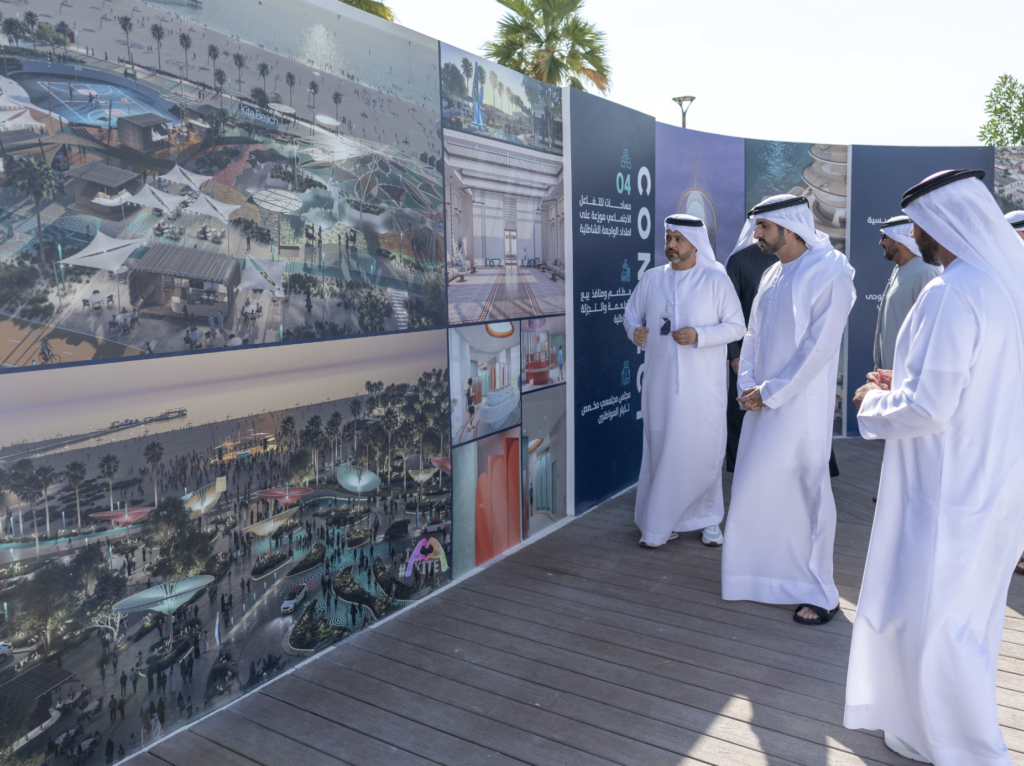
Dubai is set to transform Umm Suqeim Beach into a world-class waterfront destination after Sheikh Hamdan bin Mohammed bin Rashid Al Maktoum, Crown Prince of Dubai and Chairman of The Executive Council of Dubai, approved a Dh500 million master plan for its redevelopment.
The project, led by Dubai Municipality, is one of the emirate’s flagship beach development initiatives and aims to blend global design excellence with a distinctive Emirati identity, reinforcing Dubai’s position as a leading international tourism destination.
A future-ready beach destination
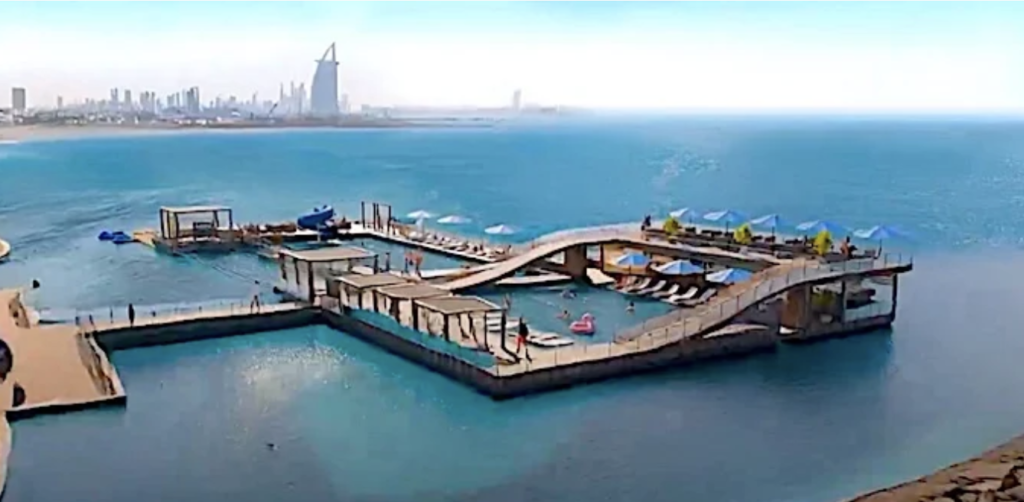
Spanning 3.1 kilometres and covering 445,000 square metres, the redevelopment will increase the beach area and developable spaces by 30 per cent. Smart lighting will illuminate 130,000 square metres of beachfront, enabling night swimming and extended evening activities.
Aligned with Dubai’s long-term vision
Sheikh Hamdan said the project reflects Dubai’s commitment to enhancing public spaces through innovative design, advanced urban planning and sustainable infrastructure, while prioritising quality of life for residents and visitors.
The Umm Suqeim Beach master plan supports the Dubai Quality of Life Strategy 2033 and the Dubai 2040 Urban Master Plan, focusing on sustainable waterfront development, healthy lifestyles and community wellbeing.
Extensive social, environmental and traffic studies were conducted, alongside community engagement, to ensure the project balances tourism growth with environmental protection and residential privacy.
Key features of the Umm Suqeim Beach redevelopment
- Capacity to welcome up to 6 million visitors annually
- 200% increase in parking, reaching approximately 2,400 spaces
- Six architecturally distinctive gateways reflecting local heritage
- Ten mobility hubs and 11 taxi pick-up and drop-off points
- Integrated cycling and e-scooter facilities
- A 38-metre observation tower inspired by Dubai’s maritime history
- Upgraded road access from Jumeirah Street with improved traffic flow
Sustainability and climate resilience
The project places strong emphasis on sustainability, including climate change adaptation measures such as a two-kilometre retaining wall, elevated beach levels, and an AI-powered smart facilities management system to enhance operational efficiency.
Boosting tourism and private sector participation
Dubai Municipality will actively engage private sector partners and investors, strengthening public-private partnerships and further supporting Dubai’s tourism economy.
Once completed, the redeveloped Umm Suqeim Beach is expected to become a globally recognised urban landmark, offering a destination that combines leisure, sport, culture and sustainability.
Announcements
Dubai unveils mega Dubai Food District, set to become one of the world’s largest food trade hubs


UAE warns drivers: Fines up to Dh2,000, 23 black points for risky driving during heavy rains

Rains in UAE: Free public parking extended in Sharjah amid unstable weather


