Connect with us

Health

Attention Dubai-Sharjah motorists: Daily traffic may be damaging your knees, doctor warns

Published

on

Spread the love

For thousands of UAE residents, the slow crawl between Dubai and Sharjah is more than a test of patience, it may be quietly hurting their health. Medical experts are now warning that those long, motionless minutes behind the wheel could be taking a serious toll on commuters’ knees.

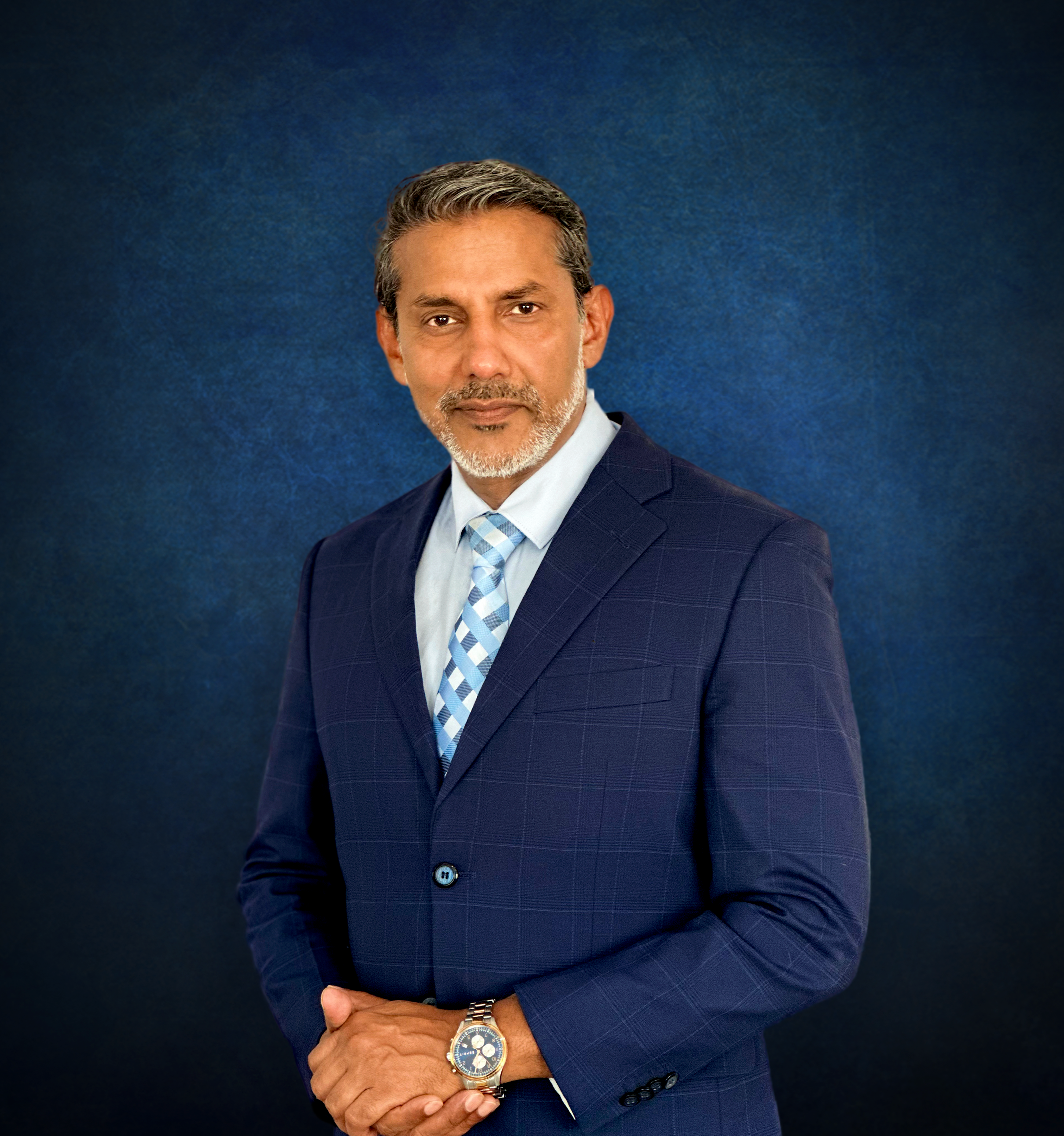
According to leading knee specialist Dr Azam Badar Khan, popularly known as Dr Knee, early knee pain and stiffness are becoming increasingly common among regular drivers stuck in daily congestion. What should ideally be a quick 30-minute trip often becomes a marathon commute well over an hour, and that prolonged immobility comes with consequences.

“Keeping your knees locked in one position for too long compresses the joint,” Dr Khan explains. 

“Over time, this leads to pain, swelling, and early degeneration, and we’re seeing this now even in people as young as 35.”

The routine grind between Dubai, Sharjah, and the Northern Emirates places constant, repetitive strain on drivers: accelerator–brake movements, limited opportunities to stretch, and steady pressure on the knee joint from sitting too long. 

Dr Khan says more than 40 per cent of his patients are between 30 and 50 years old, many of whom spend one to two hours a day in their cars. Over time, these long periods of inactivity weaken the quadriceps, the key muscle supporting the knee, making joints more vulnerable to injury and chronic discomfort.

But it’s not all bad news. Dr Knee stresses that a few simple adjustments can make a surprisingly big difference. Ensuring your seat is positioned so your knees don’t sit higher than your hips, avoiding overextension while driving, and taking quick “micro-breaks” to flex or gently stretch the legs can help restore circulation and reduce pressure. Strengthening the supporting muscles with just a few minutes of daily exercise also provides vital protection, while maintaining a healthy weight helps reduce unnecessary strain.

And there’s one post-commute habit Dr Khan wants drivers to ditch immediately: sitting cross-legged at home. After hours of knee compression in traffic, he says, this position only worsens stiffness and slows recovery.

“Traffic may be part of life here, but knee damage doesn’t have to be,” Dr Khan says.

Through his initiative, Let’s Walk Again with Dr Knee, he continues to push for early awareness and intervention. Upcoming knee-health camps and free check-ups across Dubai aim to help residents spot warning signs sooner, long before everyday activities become difficult.

“Prevention is always better than cure,” he adds. 

“Don’t wait for the pain to take over.”


With over 35 years of experience in journalism, copywriting, and PR, Michael Gomes is a seasoned media professional deeply rooted in the UAE’s print and digital landscape.

Business

UAE announces new pharmaceutical law to end medical product monopoly

Published

on

Spread the love

The Emirates Drug Establishment (EDE) has activated a new regulatory mechanism aimed at ending monopolistic practices in the UAE’s medical product market, marking a significant shift in how pharmaceuticals are distributed across the country.

Introduced under the 2024 federal law governing medical products, pharmacists and pharmaceutical establishments, the measure requires pharmaceutical companies to appoint more than one authorised agent for each medical product marketed in the UAE.

Officials say the move is designed to strengthen pharmaceutical security, ensure stable medicine supplies and enhance national preparedness during emergencies.

Ending single-agent control

Under the new framework, companies can no longer depend on a single distributor for a specific product.

By mandating multiple authorised agents, the EDE aims to:

  • Prevent supply disruptions
  • Improve distribution efficiency
  • Increase supply-chain flexibility
  • Eliminate monopolistic control over essential medicines

The authority said the mechanism will widen treatment options and promote healthier competition among distributors, ultimately benefiting patients and healthcare providers.

Boosting investment and market sustainability

Beyond addressing monopolies, the initiative is expected to make the UAE pharmaceutical sector more attractive to investors.

Officials note that diversified distribution channels reduce operational risks and enhance long-term sustainability, a key pillar in building a resilient healthcare ecosystem.

The reform aligns with the UAE’s broader strategy to modernise regulatory systems and position the country as a regional hub for life sciences and pharmaceutical trade.

Saeed bin Mubarak Al Hajeri, Minister of State and Chairman of the EDE’s Board of Directors, said the initiative reflects the UAE’s public policy approach to developing a robust national pharmaceutical ecosystem.

He emphasised the authority’s commitment to:

  • Diversifying supply chains
  • Enhancing regulatory efficiency
  • Creating a flexible legislative environment
  • Protecting public health

Officials stress that the mechanism goes beyond market competition. It serves as a strategic safeguard to ensure uninterrupted access to medicines during global disruptions or health emergencies.

What it means for the healthcare sector

The activation of the mechanism signals a transition toward a more competitive, transparent and secure pharmaceutical market.

  • For patients: Greater consistency in medicine availability
  • For distributors: Increased competition and operational flexibility
  • For investors: A stronger, more sustainable regulatory environment

As implementation of the 2024 federal law continues, further refinements are expected to shape the future of the UAE’s pharmaceutical supply chain and reinforce national health security.

Continue Reading

Health

Health alert: UAE issues warning after drug authority withdraws supplements over safety concerns

Published

on

Spread the love

Residents across the UAE have been urged to immediately stop using several health supplements and a laboratory product after the Emirates Drug Establishment (EDE) ordered their withdrawal from the market.

In four urgent circulars, the regulator announced the recall and ban of three food supplements and one medical product, citing safety concerns including unapproved ingredients, contamination risks and quality defects. The authority warned consumers not to purchase the named products, particularly through online sales platforms.

Businesses have also been instructed not to advertise, distribute, store or sell the affected items in pharmacies, medical warehouses, health shops or via e-commerce channels in the UAE.

Products that residents are advised to avoid

In its first alert, the EDE warned against an unauthorised supplement marketed as “Super Immune+”, stating that it contains unapproved ingredients, including dimethylaminoethanol (DMAE), molybdenum amino acid chelate, and boron citrate. The product was neither registered nor legally imported into the UAE.

A second circular ordered the withdrawal of WoundVite”, sold under the brand ZEN NUTRIENTS, after authorities identified the presence of a novel food ingredient not authorised under European regulations. The supplement had not undergone regulatory assessment in the UAE.

In a third notice, the EDE referenced a safety update issued by the U.S. Food and Drug Administration (FDA), coordinating with disease control authorities, regarding the recall of certain batches of “Rosabella Moringa Capsule” due to potential Salmonella contamination.

Separately, specific batches of the laboratory product “Isotonac-4” were recalled following a reported quality defect. The manufacturer and supplier have been instructed to implement an immediate withdrawal.

Public advisory

The EDE urged residents to verify the registration status of supplements and medical products before purchase and to avoid buying unverified health products from unofficial online sellers.

Consumers who have purchased any of the named items are advised to discontinue use immediately and consult a healthcare professional if they experience any adverse effects.

Authorities continue to monitor the market to ensure consumer safety and prevent the circulation of unauthorised health products.

Continue Reading

Health

Dubai launches unified health screening: Residency, medical fitness now processed in one digital application

Published

on

Spread the love

Dubai has introduced a new Unified Health Screening service that combines residency medical fitness tests and occupational health examinations into one streamlined digital process, with residency permits issued automatically once medical results are approved.

Launched under the City Makers initiative, the service is designed to simplify procedures for residents, professionals and employers across sectors. Instead of completing separate medical fitness and occupational health screenings, applicants can now finish all required examinations in a single visit.

How the unified health screening works

Through a smart digital platform, applicants select their profession and the system automatically determines the required medical tests. Once completed and approved, the results are digitally integrated across government entities. Residency permits are then issued automatically, eliminating duplication, paperwork and additional processing time.

The service connects databases between key authorities, allowing secure and real-time data exchange. Officials say this improves efficiency, reduces errors and supports preventive planning as Dubai continues to grow economically and demographically.

Government integration across dubai

The initiative was developed in collaboration with:

  • Dubai Health Authority (DHA)
  • General Directorate of Identity and Foreigners Affairs – Dubai (GDRFA Dubai)
  • Dubai Municipality
  • Supreme Legislation Committee
  • Department of Finance

Officials described the launch as a “qualitative leap” in government integration, highlighting its role in automating processes, accelerating data exchange and improving customer experience.

The new system also supports inspection teams by providing access to real-time occupational health data, enhancing compliance monitoring and emergency preparedness.

Where the Service Is Available

The Unified Health Screening service is currently available at Dubai Health medical fitness centres, including:

  • Al Garhoud
  • Al Nahda
  • Al Karama
  • Al Yalayis
  • Bur Dubai
  • Jebel Ali Free Zone
  • Zabeel
  • Smart Salem Centres

Authorities confirmed that additional centres will be added in the next phase to meet growing demand.

What Is the City Makers Initiative?

The City Makers initiative promotes cross-government collaboration to deliver integrated, customer-focused public services across Dubai.


Continue Reading

Popular

© Copyright 2025 HEADLINE. All rights reserved

https://headline.ae/