Connect with us

Business

Panel on corporate tax hears of opportunities and red flags

Published

on

Spread the love

Leading auditing and taxation firm Corporate Group sought to allay concerns over the looming regime of corporate tax in the UAE while highlighting the fact that a significant number of companies face the risk of fines in the absence of timely action.

A packed hall of entrepreneurs, CFOs and accounting heads from big companies attended a panel discussion organised by Corporate Group at the Radisson Blu Waterfront hotel in Business Bay on Tuesday. The audience heard from experts in the VAT, legal and Federal Tax Authority (FTA) domains on how time is running out for businesses to comply with the registration before the June 1 deadline.
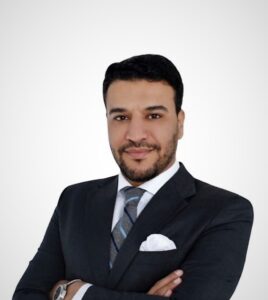
Mohamed Osman

“It is understandable that people have all sorts of questions especially when the framework of the law is still being fine-tuned by the government,” said Mohamed Osman, chairman at Corporate Group, who also specialise in audit and VAT services. “While it is true that not all are eligible or bound to pay the corporate tax rate of 9 percent, everyone has to register if they meet certain criteria.”

The UAE’s impending implementation of a 9% corporate tax is a drastic step in the traditionally tax-free country and hence vexing for many. However, some have welcomed the move even from a neutral, larger perspective.

David McCormack, Managing Director of Asset Capital Solutions who has managed more than $200 million of real estate investment for two private equity groups, said: “Countries like the UK or Australia, where I hail from, have high rates of corporate tax while it used to be zero here. However, any dealings that we did, irrespective of the merit, attracted misconceptions by many countries that we were trying to cheat on tax money. Now, that is getting out of the equation.”
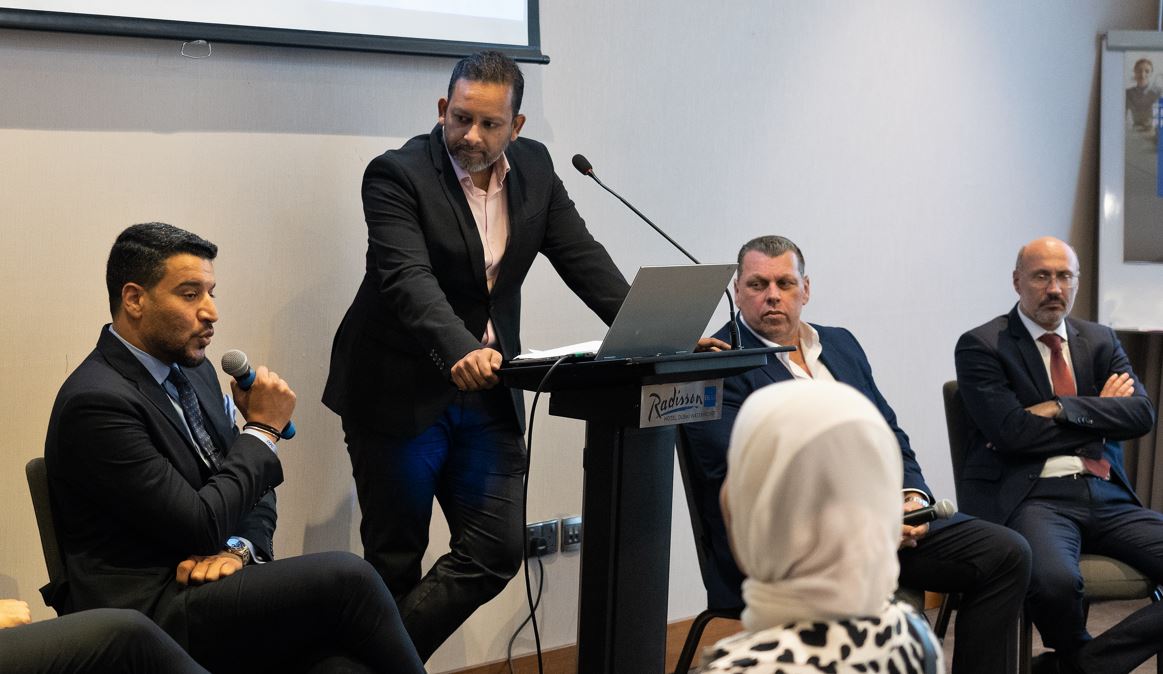
Mohamed Osman addresses the panel at a Dubai hotel on Wednesday. Supplied

Abdul Salim Seyudu, technical manager at an insurance company, said: “It was an informative session on a very relevant topic. With startups and the likes from all parts of the world coming to Dubai, everyone is looking at it with their own lens and needs. I remember VAT has now been here for five years and people are still searching for answers. Similarly for corporate tax, every piece of information is helpful at events like this.”

Questions arose from the packed hall with attendees seeking clarity on how the pending changes impacts their respective organisations or businesses. Many stayed behind much after the session to address more queries to the experts. There was also demand to have more such conferences in the near future.

“Education by way of seminars and such discussions is needed,” said Luca Angiolilli, the CG Tax Director with more than 20 years of experience in various countries. “Before starting the meet, seeing the enthusiastic response, we decided internally to have more such events.”

The presence of 45 free zones and their unique position from a taxation point of view in the economic framework of the UAE has made the introduction of CT more challenging. “The UAE has 45 free zones with some more coming up and in areas criss-crossing each other,” McCormack said.

“Many of the companies have registered where they shouldn’t have. Some free zone companies have slipped into the guise of another activity, which may have gone off the radar until now. And many don’t even have the option to open bank accounts and that is a fundamentally big problem in the current development of implementing corporate tax.”

All panelists agreed unequivocally that the initiative by Corporate Group has set the conversation going in the right direction. Yet, the lack of awareness and lackadaisical approach among business houses, SME and individuals must end soon with barely a couple of months left.

Business

Dubai’s unified car rental contract explained: What residents and tourists must know

Published

on

Spread the love

Dubai’s Roads and Transport Authority (RTA) is reinforcing stricter rules for car rentals across the emirate, and it’s good news for both residents and tourists.

At the heart of this move is a mandatory unified contract that all rental companies must follow. This contract standardises how rental agreements work, clearly laying out the rights and responsibilities of both renters and rental offices in a transparent way.

“We have also organised a series of awareness workshops for companies operating in the car rental sector across the emirate to familiarise them with the contract’s provisions, obligations, and implementation procedures,” said Ahmed Mahboob, CEO of the Licensing Agency at RTA.

What this means for drivers

  • Same rules everywhere
    Whether you rent from a big brand or a small office, the same contract applies across Dubai, no more confusing or inconsistent terms.
  • Stronger consumer protection
    The contract ensures:
    • No hidden fees (like surprise toll charges)
    • No unfair charges during accident repairs
    • Mandatory refund of your security deposit within a set timeframe
  • Digital and secure process
    Rentals are handled through the Transport Activities Rental System (TARS), with:
    • Identity verification
    • OTP-based digital signatures
    • Secure, automated contracts
  • Proof of vehicle condition
    Photos are taken at pickup and return, protecting you from disputes over damage.
  • Better awareness for renters
    The system is designed to reduce complaints and help users, especially tourists, fully understand their rights before signing.

This move aligns with Dubai’s push to enhance trust and transparency in services, reinforcing its reputation as a well-regulated, customer-friendly destination.

Continue Reading

Business

UAE denies claims of restrictions on investor funds, reaffirms open economy policy

Published

on

Spread the love

The UAE has firmly dismissed reports circulating on social media that suggest restrictions on investor funds, calling the claims inaccurate and misleading.

Officials clarified that there are no limits on the movement of capital or on foreign investors’ ability to manage and transfer their money. Authorities stressed that the country remains committed to maintaining an open, business-friendly environment aligned with international standards.

Commitment to investor confidence

The Ministry of Economy and Tourism reiterated that the UAE continues to support the free flow of capital, a key pillar in attracting global investment and ensuring long-term economic stability.

Officials emphasised that policies remain unchanged, reinforcing the country’s reputation as a reliable and transparent destination for businesses and investors.

Dubai reaffirms its position

In a statement shared on X, the Dubai Media Office also rejected the circulating claims, describing them as false. It highlighted that Dubai continues to stand as a leading global hub for business and investment, supported by a strong and resilient economy.

Call for accurate information

Authorities have urged the public and media outlets to rely on official sources when seeking information, warning against the spread of unverified claims online.

The clarification comes as the UAE contåinues to strengthen its position as a global financial and investment centre, built on openness, stability, and investor confidence.

Continue Reading

Announcements

How UAE’s new banking plan will support businesses and individuals

Published

on

Spread the love

The Central Bank of the UAE has rolled out a new financial support package designed to keep banks strong and ensure they continue supporting and safeguarding the broader economy amid global and regional uncertainty.

The package was endorsed during a high-level board meeting chaired by Sheikh Mansour bin Zayed Al Nahyan, underscoring the UAE leadership’s proactive approach to maintaining economic stability.

Built around five key pillars, the initiative is designed to provide banks with greater liquidity, enhanced flexibility, and temporary regulatory relief, ensuring they can continue to support businesses and individuals during uncertain times.

Under the new measures, banks will gain expanded access to liquidity, including the ability to utilise reserve balances and secure term funding in both dirhams and US dollars. This step is expected to keep credit flowing across key sectors of the economy.

The Central Bank has also introduced temporary easing of liquidity and funding requirements, giving financial institutions more room to continue lending. Capital buffer requirements will be relaxed as well, allowing banks to deploy excess capital to support economic activity.

Additionally, new provisions will offer greater flexibility in managing credit risk, including delaying the classification of certain loans affected by current market conditions—providing relief to borrowers facing temporary challenges.

Authorities emphasised that banks are expected to maintain lending and continue supporting customers as part of the UAE’s broader economic response strategy.

Despite global pressures, the UAE’s financial system has shown strong resilience. During its meeting, the Board confirmed that current market conditions have had no significant impact on the health of the banking sector or the efficiency of payment systems.

The Central Bank also highlighted the country’s robust financial position, with foreign exchange reserves exceeding AED 1 trillion and a strong monetary base. The UAE’s banking sector, valued at over AED 5.4 trillion, continues to demonstrate solid fundamentals.

With liquidity levels remaining high and reserves strong, the CBUAE reaffirmed its readiness to take further action if needed to protect financial stability and sustain economic growth.

Continue Reading

Popular

© Copyright 2025 HEADLINE. All rights reserved

https://headline.ae/