Connect with us

News

Shindagha Tunnel to be reopened on March 16

Published

on

Spread the love

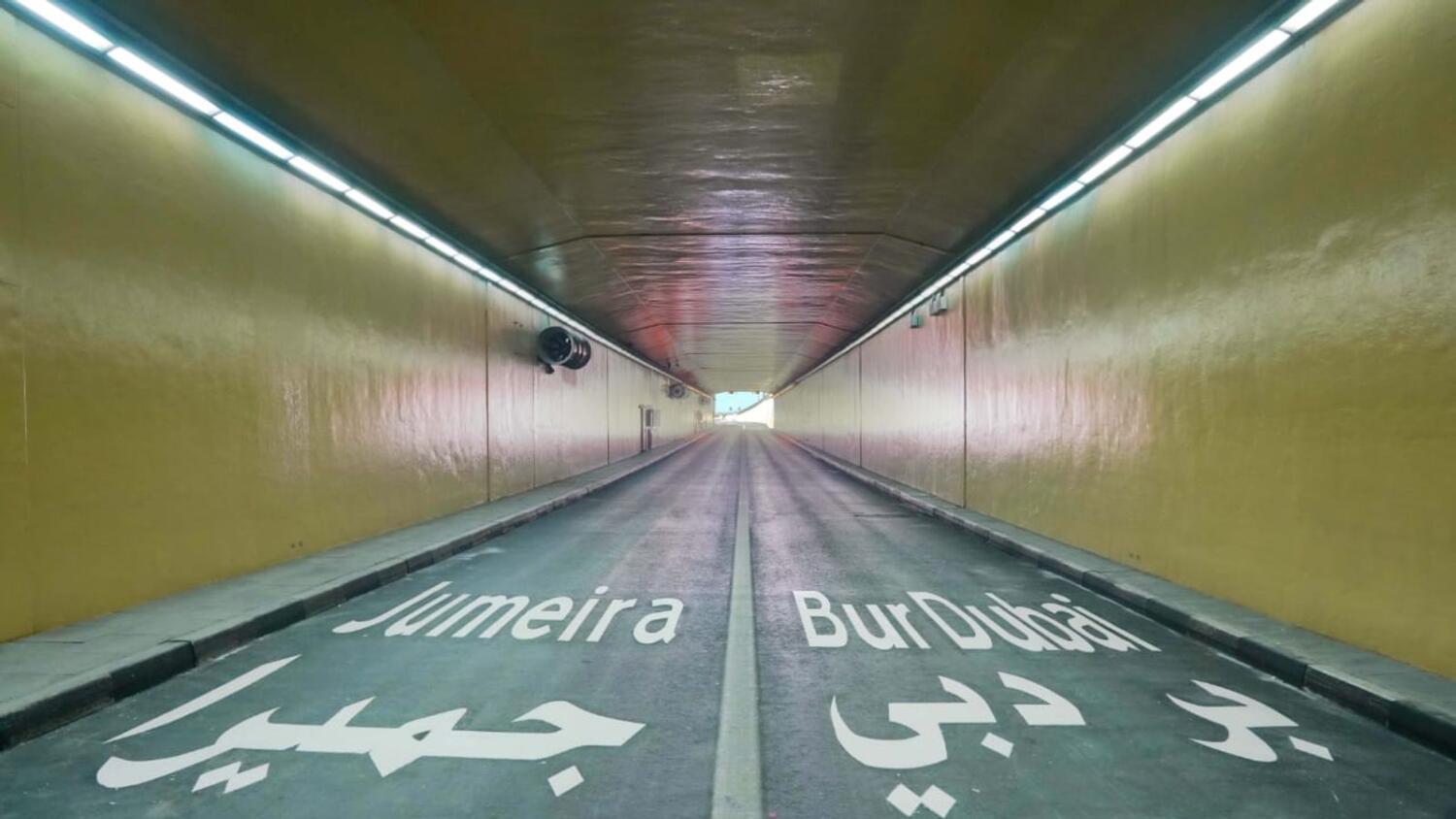
Shindagha Tunnel will be reopened for traffic in the direction from Deira to Bur Dubai on March 16, Dubai’s Roads and Transport Authority (RTA) has announced. It’s being reopened as the work to connect the Infinity Bridge and the new bridges with the tunnel has been completed.

With the reopening of the tunnel and connecting it with the new bridges along the Shindagha Corridor, the road capacity will go up by 3,000 vehicles per hour. This will bring the total capacity of the corridor to 15,000 vehicles per hour.
Changes to the directional signs in the area have been made. This has been done so that there’s a smooth flow of traffic from Deira as the Shindagha Tunnel reopens. The RTA has asked drivers to follow speed limits and comply with the directional signs to their destinations as follows:

— The traffic movement towards the Falcon Junction must move rightwards at the 2-lane exit of the bridge (BR2).

— The traffic towards Jumeirah has to move leftwards at the single-lane exit of the bridge (BR1). It should cross the Falcon Junction through the three-lane northern bridge in the direction of Jumeriah.

— The traffic inbound from the roundabout over Shindagha Tunnel can go towards Deira by taking the free rightward lane heading to the Infinity Bridge or head directly to Bur Dubai and Jumeirah through Bridge (BR2) in the direction of the Falcon Junction.

— The traffic inbound from Al Mamzar, Al Khaleej Street and Omar bin Al Khattab Street can head to Bur Dubai and Jumeirah through the Infinity Bridge or Shindagha Tunnel.

— The traffic inbound from Palm Deira Metro Station and Corniche Street can head to the entry of Infinity Bridge through the upper deck of Corniche Street.

News

UAE warns retailers of fines up to Dh100,000 for unauthorised Ramadan price hikes

Published

on

Spread the love

Retailers and traders across the UAE have been warned against increasing prices of essential food items during Ramadan without prior approval, with authorities confirming that violators face fines of up to Dh100,000 and possible temporary closure of their establishments.

The Ministry of Economy and Tourism, in coordination with local authorities nationwide, has intensified inspections to ensure compliance with the 2022 Pricing Policy for Essential Consumer Goods, which strictly prohibits price increases on nine key food items without official approval.

9 Essential items under strict monitoring

The regulated items include:

  • Cooking oils
  • Eggs
  • Dairy products
  • Rice
  • Sugar
  • Poultry
  • Legumes
  • Bread
  • Wheat

How residents can file a complaint

Residents who notice discrepancies at supermarkets or grocery stores can formally file complaints, but knowing the correct process is key. If you believe a retailer has raised prices unfairly, here’s exactly what to do.

Step 1: Check the shelf price vs checkout price

Before filing a complaint, confirm there is an actual discrepancy:

  • Compare the shelf price with the scanned price at checkout.
  • Ensure promotional offers are clearly stated.
  • Check whether discounts apply only to loyalty card members.

Step 2: Keep proof of purchase

Your complaint is unlikely to proceed without documentation. Make sure you keep:

  • The purchase receipt or invoice
  • The name and branch of the retailer
  • Details of the product and price difference
  • Photos (if possible) showing shelf pricing

Without supporting evidence, the complaint may be dismissed.

How to file complain in each emirate

For most emirates (Except Dubai, Abu Dhabi, and Ajman)

  1. Visit the Ministry of Economy and Tourism website: www.moet.gov.ae
  2. Click on eServices
  3. Select Consumer Protection and Commercial Control Services
  4. Choose Resolve Consumer Complaints
  5. Fill in your details and upload supporting documents

Complaints are typically resolved within one week.

For Dubai

  • Visit: www.consumerrights.ae
  • Click Consumer Complaints
  • Complete the online form and upload evidence

You can also call the helpline: 600 545 555

For Abu Dhabi

Residents can complain through:

  • Call: 800 555 (Abu Dhabi Government Contact Centre)
  • Email: contact@tamm.abudhabi
  • Visit any TAMM service centre

For Ajman

For retailers licensed in Ajman:

  1. Visit www.ajmanded.ae
  2. Click Consumer Protection
  3. Select Request for Complaint
  4. Submit the purchase invoice and supporting documents

Note: The retailer must hold an Ajman-issued commercial licence.

What happens when you file a complaint

Authorities will investigate the case. If a violation is confirmed:

  • Sales of the product may be suspended immediately
  • Retailers may receive written warnings
  • Fines can range from Dh500 to Dh100,000
  • Repeat offenders may face temporary closure

In severe cases, stricter penalties may apply.

With grocery spending typically rising during Ramadan, authorities urge residents to stay vigilant. Taking a few seconds to check your receipt could help prevent unfair pricing and protect household budgets across the UAE.

Continue Reading

Health

Dubai launches unified health screening: Residency, medical fitness now processed in one digital application

Published

on

Spread the love

Dubai has introduced a new Unified Health Screening service that combines residency medical fitness tests and occupational health examinations into one streamlined digital process, with residency permits issued automatically once medical results are approved.

Launched under the City Makers initiative, the service is designed to simplify procedures for residents, professionals and employers across sectors. Instead of completing separate medical fitness and occupational health screenings, applicants can now finish all required examinations in a single visit.

How the unified health screening works

Through a smart digital platform, applicants select their profession and the system automatically determines the required medical tests. Once completed and approved, the results are digitally integrated across government entities. Residency permits are then issued automatically, eliminating duplication, paperwork and additional processing time.

The service connects databases between key authorities, allowing secure and real-time data exchange. Officials say this improves efficiency, reduces errors and supports preventive planning as Dubai continues to grow economically and demographically.

Government integration across dubai

The initiative was developed in collaboration with:

  • Dubai Health Authority (DHA)
  • General Directorate of Identity and Foreigners Affairs – Dubai (GDRFA Dubai)
  • Dubai Municipality
  • Supreme Legislation Committee
  • Department of Finance

Officials described the launch as a “qualitative leap” in government integration, highlighting its role in automating processes, accelerating data exchange and improving customer experience.

The new system also supports inspection teams by providing access to real-time occupational health data, enhancing compliance monitoring and emergency preparedness.

Where the Service Is Available

The Unified Health Screening service is currently available at Dubai Health medical fitness centres, including:

  • Al Garhoud
  • Al Nahda
  • Al Karama
  • Al Yalayis
  • Bur Dubai
  • Jebel Ali Free Zone
  • Zabeel
  • Smart Salem Centres

Authorities confirmed that additional centres will be added in the next phase to meet growing demand.

What Is the City Makers Initiative?

The City Makers initiative promotes cross-government collaboration to deliver integrated, customer-focused public services across Dubai.


Continue Reading

News

Dubai Ramadan 2026: Free mosque parking all day, 2-hour evening free window confirmed

Published

on

Spread the love

Dubai motorists will benefit from free mosque parking throughout Ramadan, while public parking across the city will include a daily two-hour free window around Maghrib.

Dubai’s public parking operator, Parkin, confirmed that all mosque-designated parking zones marked M and MP will be free all day during the holy month.

For regular public parking zones, fees will apply in two phases from Monday to Saturday:

  • 8am to 6pm
  • 8pm to 12 midnight

Parking will be free daily from 6pm to 8pm, giving residents a two-hour window around sunset when many are heading to Iftar or attending Maghrib prayers.

Sundays and public holidays will remain free, as per the standard policy.

Meanwhile, Dubai’s Roads and Transport Authority (RTA) also confirmed that multi-storey parking facilities will continue operating 24 hours a day, although charges will apply as usual in those facilities.

The evening free period is expected to ease congestion near mosques and dining areas, particularly during peak Iftar hours when traffic volumes typically spike across the emirate.

Residents are advised to check signage carefully, especially in mixed-use areas, and ensure they are parked in designated mosque zones if relying on the full-day exemption.

Ramadan parking adjustments form part of Dubai’s annual measures aimed at easing mobility and supporting residents during the holy month.


Continue Reading

Popular

© Copyright 2025 HEADLINE. All rights reserved

https://headline.ae/