
Connect with us

News

Exercising during Ramadan: Tragic MMA fighter’s death highlights dangers of extreme workouts

Published

on

Spread the love

Ramadan is a time of spiritual reflection and fasting, but that doesn’t mean you have to give up exercise. However, with long hours of fasting and changes in meal timing, it’s crucial to adjust workouts to suit your body’s needs. Exercising too intensely, especially while fasting, can lead to serious health risks, including dehydration, dizziness, and even rare but potentially fatal conditions.

The tragic case of Australian MMA fighter Jake Sendler serves as a reminder of the dangers of overexertion. The 21-year-old collapsed in the ring during a match in Melbourne on March 3 and succumbed to complications ten days later. His death has been linked to excessive physical stress. 

It was later revealed that Sendler was suffering from rhabdomyolysis, a condition in which muscle fibres break down due to extreme overexertion, an underlying health issue, or physical trauma.

While this extreme case highlights the risks of pushing the body too far, it’s especially important during Ramadan to strike a balance between staying fit and prioritising health. Choosing low-intensity workouts, staying hydrated after Iftar, and listening to your body can help prevent dangerous consequences while keeping you active during the holy month.

What is Rhabdomyolysis?

Rhabdomyolysis, often called “rhabdo,” occurs when extreme physical exertion causes muscle tissue to break down rapidly, releasing harmful toxins into the bloodstream. These toxins can overwhelm the kidneys, leading to acute kidney failure, heart complications, and even death. Symptoms include severe muscle pain, weakness, dark-coloured urine, and extreme fatigue — many of which can be mistaken for common workout soreness or dehydration.

In Sendler’s case, he initially dismissed his symptoms, believing them to be part of the usual strains of his intense training regimen. However, his condition worsened, requiring multiple surgeries and blood transfusions before he ultimately passed away on March 13.

Risks of Extreme Training

Dehydration and excessive exertion are significant risk factors for rhabdomyolysis. When the body is pushed beyond its limits, muscles become deprived of oxygen and nutrients, leading to cell breakdown. In severe cases, it triggers widespread organ failure.

Recognise Warning Signs

Many fitness enthusiasts unknowingly put themselves at risk of rhabdomyolysis. Overexertion, particularly in high-intensity training programs such as CrossFit, ultra-marathons, and MMA, can push muscles to the point of collapse. The key to prevention is awareness and early intervention.

Critical warning signs to watch for:

  • Unusual muscle pain or swelling that persists beyond typical post-workout soreness.
  • Dark, tea-coloured urine — a telltale sign that muscle proteins are overwhelming the kidneys.
  • Extreme fatigue and confusion that extend beyond normal exhaustion.
  • Decreased or no urination, indicating possible kidney failure.

If any of these symptoms occur after intense exercise, immediate medical attention is crucial. Treatment often involves intravenous fluids to flush toxins from the system and, in severe cases, dialysis or surgical intervention.

Dangers of dropping weight quickly

Sendler’s death has also reignited discussions about the dangers of extreme weight-cutting in sports. While dropping weight quickly before a bout fr fighters is a common practice, medical experts warn that it can have deadly consequences, including dehydration, heat stroke, and rhabdomyolysis.

Striking a Balance in Fitness

Exercise is vital for good health, but overdoing it can be dangerous. Fitness enthusiasts, athletes, and trainers must recognise that more is not always better. Proper hydration, adequate recovery time, and listening to one’s body are essential to preventing overtraining injuries and conditions like rhabdomyolysis.

(Source: Agencies)

With over 35 years of experience in journalism, copywriting, and PR, Michael Gomes is a seasoned media professional deeply rooted in the UAE’s print and digital landscape.

News

RAK reopens all hotel beaches after closures following oil spill

Published

on

Spread the love

All hotel beaches across Ras Al Khaimah have reopened, the emirate’s Public Services Department (PSD) has announced, following temporary closures and a phased reopening earlier this month.

The department confirmed that hotel beaches are now accessible to residents and visitors, while urging the public to continue following safety instructions and guidelines issued by the relevant authorities.

Precautionary beach closures

The reopening follows precautionary beach closures announced on October 24, after the UAE Ministry of Climate Change and Environment confirmed an oil spill from a tanker on October 23.

The incident raised concerns about possible coastal pollution and environmental safety, prompting authorities in Ras Al Khaimah to temporarily close beaches across the emirate.

Beaches reopened in phases

Authorities had previously announced a phased reopening of beaches as safety measures and assessments continued.

The latest announcement confirms that all hotel beaches in Ras Al Khaimah have now reopened.

Residents and tourists can return to the emirate’s hotel beach facilities, while remaining alert to any updated instructions from local authorities.

Public urged to follow safety guidelines

Despite the reopening, the Public Services Department has advised residents and visitors to follow official safety guidance.

Beachgoers are encouraged to pay attention to instructions issued by relevant authorities and comply with any precautionary measures that may be introduced.

The reopening marks a return to normal beach access in Ras Al Khaimah following the temporary restrictions linked to the oil spill.

Continue Reading

News

UAE telecom operator offers 55GB of free mobile data for customers for the Eid Al Etihad celebrations


Published

on

Spread the love

UAE telecom operator du is giving eligible customers 55GB of free national mobile data to celebrate the country’s 55th Eid Al Etihad, marking the UAE’s National Day celebrations on December 2, 2026.

The limited-period promotional offer provides an additional 55GB of mobile data at no extra cost. According to a subscription confirmation message from du, the free data bundle will remain valid until December 4.

The offer gives customers an opportunity to stay connected during the National Day holiday period, whether they are travelling between emirates, attending celebrations or sharing festive moments online.

How to get du’s Free 55GB data bundle

Customers who successfully activate the special Eid Al Etihad offer will receive a confirmation message from du.

The confirmation message reads:

“You have successfully subscribed to the Eid Al Etihad bundle with free 55 GB national data.”

The message also confirms that the additional data allowance will be available until December 4, 2026.

How long is the free 55GB data valid?

The free 55GB national data bundle is valid until December 4.

Customers are advised to check the validity period and their remaining data balance to make the most of the promotional offer before it expires.

The 55GB allowance is intended for domestic use within the UAE and does not cover international roaming.

Customers should check their eligibility, activation status and applicable terms through du’s official customer service channels.

Continue Reading

News

Motorists stay alert: Abu Dhabi warns of fake QR codes on parking payment machines

Published

on

Spread the love

Q-Mobility, operator of Abu Dhabi’s Darb toll system and public and private parking services, has warned motorists and residents about fake QR codes spreading on parking payment machines.

The fraudulent QR codes may redirect users to fake websites designed to steal personal information, banking details and other sensitive data.

Avoid suspicious QR codes
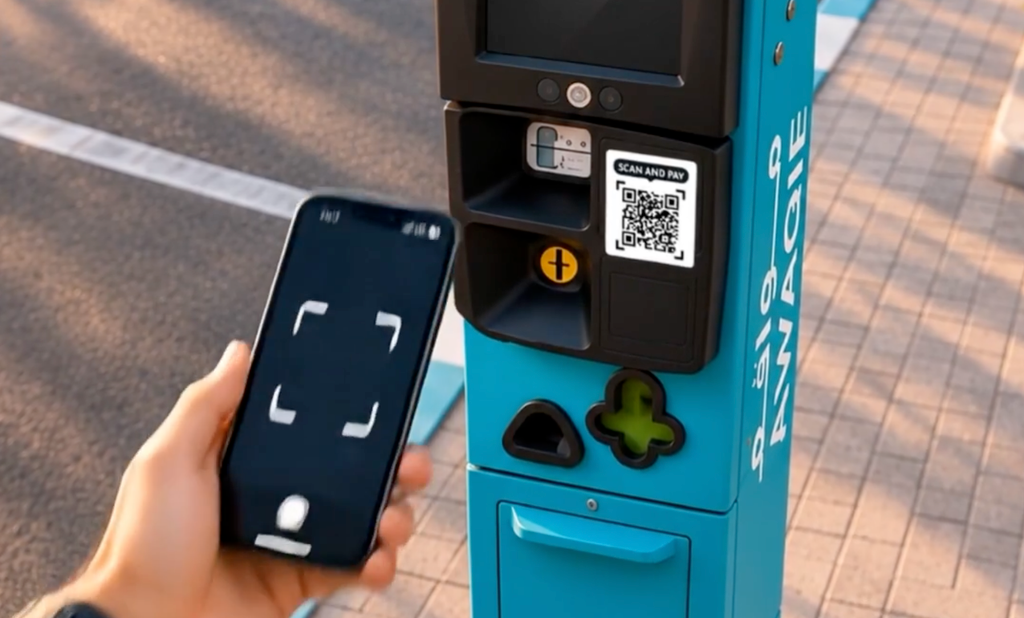
In an awareness advisory, Q-Mobility urged customers to remain cautious and avoid scanning unauthorised QR codes or stickers placed on parking payment machines.

The company also warned users against opening suspicious links or sharing sensitive information, including personal details, bank account information and one-time passwords (OTPs), on unverified websites.

Use official apps only to pay parking fees
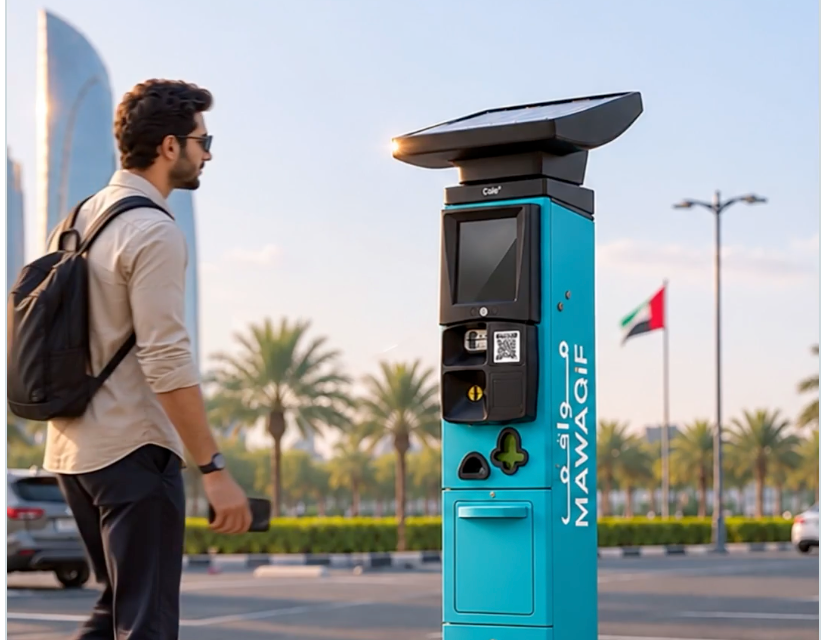
To prevent online fraud, Q-Mobility advised customers to use authorised payment channels when paying parking fees.

Motorists are encouraged to pay through the official Darb and TAMM applications rather than scanning unfamiliar QR codes on parking payment devices.

Stay alert against online payment scams

The company stressed that taking precautions while making digital payments is essential to protecting personal and financial information.

Customers should always verify payment links, avoid sharing OTPs and use trusted platforms to reduce the risk of falling victim to cyber fraud.

Authorities and service providers continue to encourage the public to stay vigilant against increasingly common digital payment scams.

Continue Reading

Popular

© Copyright 2025 HEADLINE. All rights reserved

https://headline.ae/