Connect with us

Lifestyle

Want to be a millionaire in the UAE? Punch the Big Ticket to a new life

Published

on

Spread the love

Abu Dhabi’s Big Ticket lottery draw is the oldest, tried and still trusted, and hence ruling roost despite emerging competition, the hosts of the draw have said at an event in Dubai.

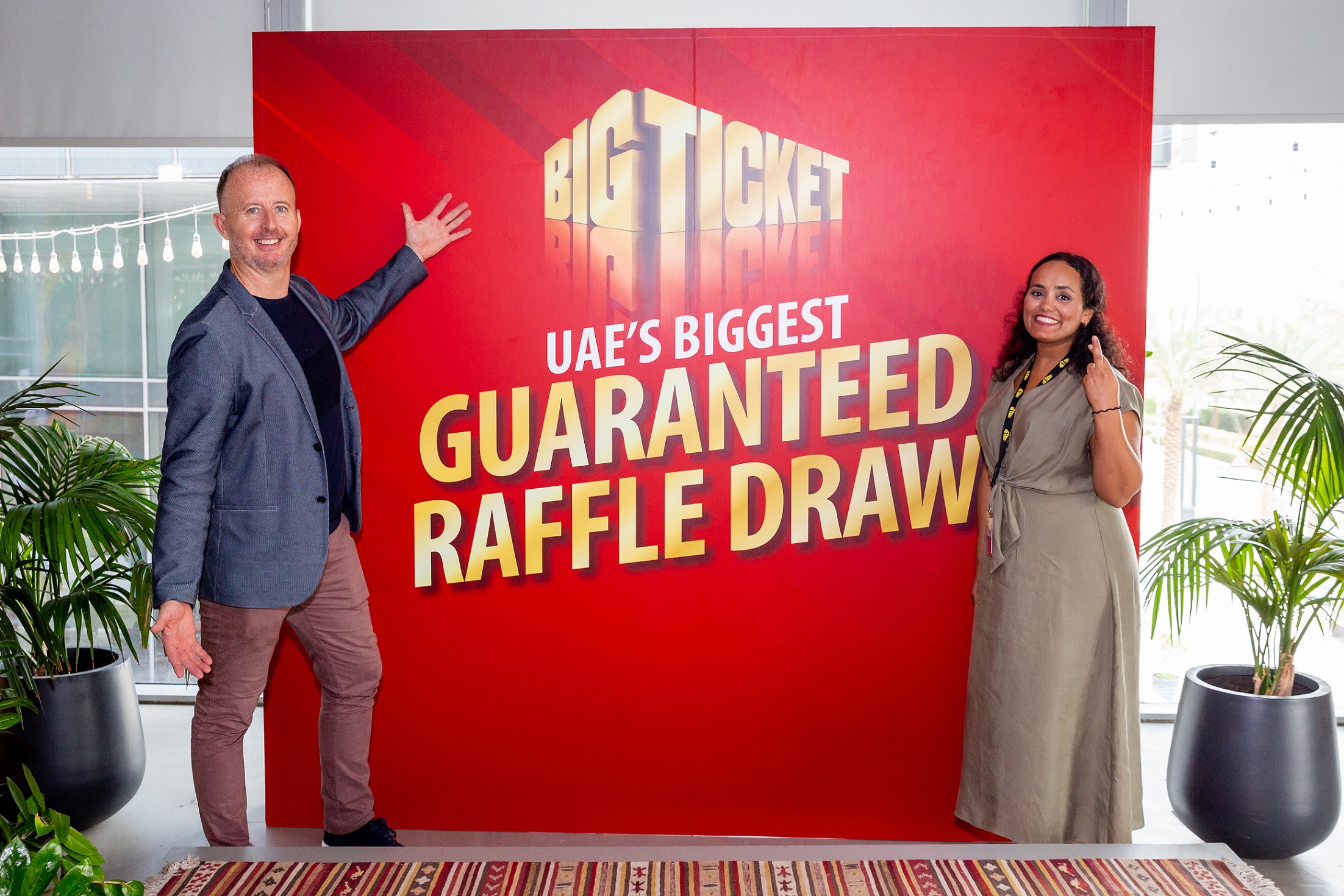
Still going with their first names, Richard and Bouchra, introduced four winners from different backgrounds and for different amounts in front of some media representatives at One Life Cafe on Wednesday in an effort to reach out to the masses.
Big-Ticket-lottery-draw

Richard, left, and Bouchra host Abu Dhabi’s Big Ticket draw on the third of each month. Photos Red Havas ME

“We are the oldest one; we are the only one that never changed our format; we are transparent and we declare our prizes at the start of it and irrespective of how many tickets are sold we give away the prize – guaranteed – in full view of everyone; and there is no rollover,” says Richard. “We get a winner regardless of anything from the name picked out of the drum (of tickets) in front of you, all secured and audited for.”

Originally conducted by the Abu Dhabi Airport Company, the Big Ticket moved under the aegis of Abu Dhabi Duty Free, a similar branding as their counterparts in Dubai.

There is no denying the fact that the Big Ticket has had to evolve a bit going with competition with Mahzooz and Emirates Draw coming in with their own varying formats.

However, with varying amounts each month, Big Ticket has changed lives of thousands with many people clubbing together in the hope to punch the big ticket to fulfil their dreams. This year alone, Big Ticket awarded 60 cash prize winners, whose winnings equate to a total prize value of over AED110 million.

“We are indeed privileged to be life-changers for many and it is such a satisfying job,” says Bouchra. Both hosts had plenty of anecdotes to share of people’s reactions and disbelief. There have been instances when Big Ticket had to go out of the way and spread out messages in public for the winners to get in touch.

“In the rare occurrence that we don’t find the winner – it has happened for the lesser prizes only – we wait for six months before giving it to charity,” a marketing official explained without being named because he was not authorised to speak.

The experiences of the winners gathered separately vouched for the efforts of Big Ticket as they shared their initial feeling of numbness and reality sinking in late for couple of them.

There were inspiring stories of Leena Jalal, Jacob Roy, Shahid Mahmood, and Safwan Nizameddin, a passport holder of St Kitts and Nevis in the Caribbean.

“They say that Big Ticket only favours only one or two nationalities, but I am testimony to the fact that it is for everyone. One should have the belief,” said Nizameddin, the oldest of the four but the latest grand prize winner.

Lives changed

Leena, an Indian expat currently residing in Abu Dhabi, shared that she bought the ticket only days prior to the draw with many of her colleagues and friends, and was the luckiest one whose name was chosen after months of trying. Leena seeks to make a difference, just like Big Ticket, and is currently in talks with local charities to donate a percentage of her winnings, while the remaining amount will go towards supporting her family back home.

Jacob, another Indian expat residing in Abu Dhabi since 1990, discussed his commitment to a group of 12 friends that have been pitching in to purchase Big Ticket raffles on a monthly basis, for five years. He won Dh300,000 representing a group of buyers. “I tell others, consider buying the ticket as a job. We are all here as expats to change our lives and BT can do that for us. I and few others also chip in with extra if we have to make up the necessary amount at times.”

Shahid Mahmood is a Dubai-based Pakistani employee working at a glass installation company. After five years of buying BT raffles every month, Shahid received the winning phone call that made his and his friend’s dreams come true with a Dh15m purse.

Big-Ticket-winners

Four Big Ticket winners and the event emcee Lekha Menon in Dubai. From left: Ms Menon, Leena Jalal, Shahid Mahmood, Jacob Roy and Safwan Nizameddin shared their experiences

A longtime resident of Abu Dhabi, Nizameddin has been purchasing tickets every month for the past two years. When the call came, Safwan says his sixth sense kicked in and he instinctually knew he had finally won. The executive manager of a company specializing in power generation is a family man at heart. He plans to use his winnings to purchase properties for his three children as an investment in their future and some for charity.

On a side note, regular buyers of Big Ticket have been curious to know the logic behind different prize amounts each month. Having started at one million dirhams, the highest on offer has been Dh25m although it 10-20 is the common range. Initially, Richard said “the idea behind it is to give it fresh a look, I guess”, but when prodded further, he conceded he wasn’t sure and never checked with his employers.

Nonetheless, the prizes given out on the third of each month remain substantial and undoubtedly have changed many lives.

News

Etihad Rail reveals UAE passenger network: Faster, easier travel for residents from 2026

Published

on

Spread the love

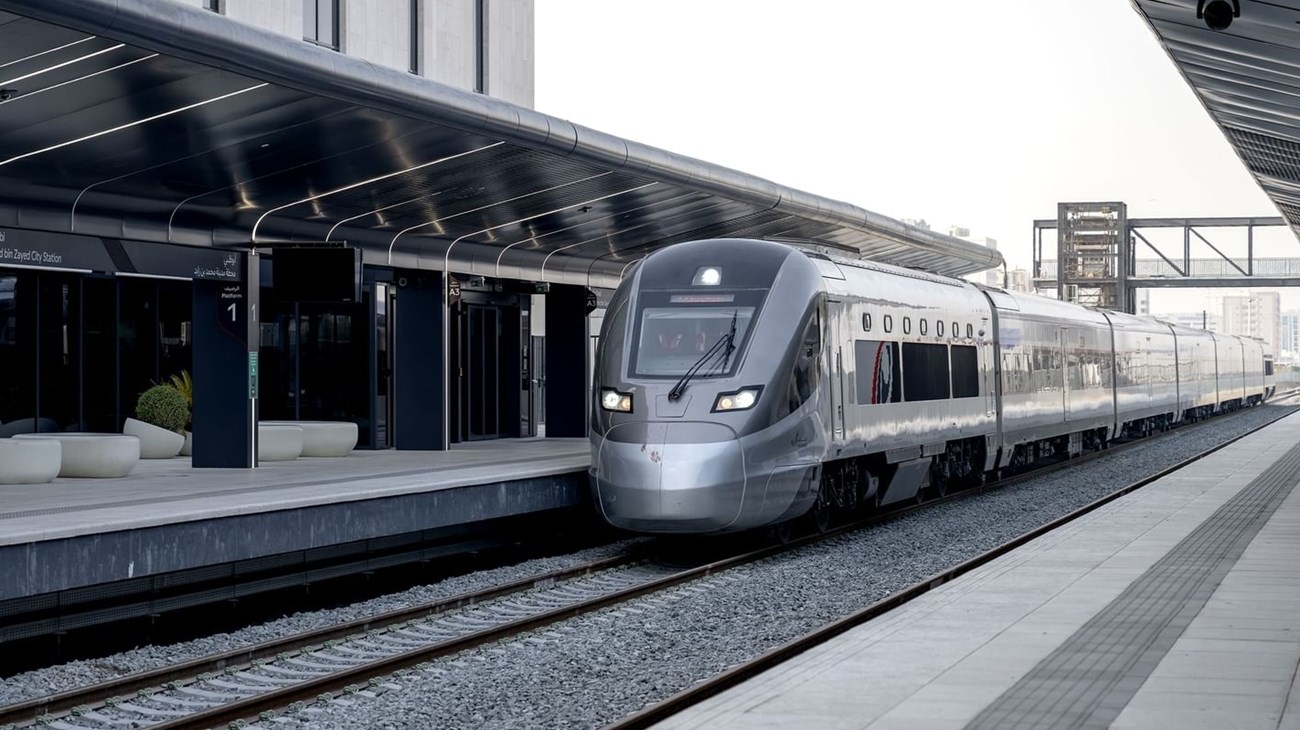
Residents in the UAE will soon have a new way to get around, with Etihad Rail unveiling the country’s first fully integrated passenger rail network connecting 11 cities and regions. Passenger services are expected to begin in 2026, offering a fast, reliable, and comfortable alternative to road travel.

New stations

Seven new stations will open in Al Sila, Al Dhannah, Al Mirfa, Madinat Zayed, Mezairaa, Al Faya, and Al Dhaid, adding to previously announced stations in Abu Dhabi, Dubai, Sharjah, and Fujairah. The stations have been strategically placed to make commuting and travel between residential areas, business hubs, and key destinations easier for residents.

The trains will run on fixed schedules, with modern interiors, ergonomic seating, onboard Wi-Fi, and power outlets at every seat. Each train can carry up to 400 passengers, with the network expected to handle around 10 million passengers annually.

Abu Dhabi-Dubai in 57 minutes

Residents can expect travel times of 57 minutes from Abu Dhabi to Dubai, 105 minutes to Fujairah, and 70 minutes to Al Ruwais. The passenger network will link destinations from Al Sila in the west to Fujairah in the east, reducing dependency on cars and providing a convenient option for daily commuters and weekend travellers alike.

Etihad Rail confirmed that 10 of the 13 trains have already arrived in the UAE and completed safety testing. Officials said the system is being equipped with advanced technologies to ensure safety, efficiency, and reliable service for daily travel.

The network builds on Etihad Rail’s freight operations launched in 2023 and is part of the UAE’s vision for an integrated national transport system. A future high-speed rail line between Abu Dhabi and Dubai is planned, expected to cut travel time to just 30 minutes and support long-term economic growth.


Continue Reading

News

Dubai launches shared taxi service from DWTC and Al Maktoum Airport to cut traffic and fares

Published

on

Spread the love

Dubai’s Roads and Transport Authority (RTA) has rolled out a new taxi-sharing pilot service aimed at easing congestion and lowering travel costs from two of the city’s busiest transport hubs,  Dubai World Trade Centre (DWTC) and Al Maktoum International Airport.

Under the new six-month trial, passengers can book shared, discounted taxi rides from DWTC to Business Bay Metro Station, Al Satwa Bus Station and Dubai Marina Mall. From Al Maktoum International Airport, shared taxis will operate to Dubai Marina Mall, Business Bay Metro Station and Palm Jumeirah – Atlantis Monorail Station.

The move follows the strong success of the Dubai–Abu Dhabi shared taxi service launched last year, which recorded a 228 per cent surge in ridership between Ibn Battuta Mall and Al Wahda Mall.

RTA said the initiative aims to reduce traffic congestion, cut fares for passengers, and deliver environmental benefits by lowering the number of single-occupancy taxi trips on busy roads.

Adel Shakri, Director of Planning and Business Development at RTA’s Public Transport Agency, said the expansion was driven by strong public demand and detailed route studies, adding that the goal is to provide safe, affordable and comfortable shared transport across key city corridors.

All shared taxis are equipped with safety monitoring systems and live tracking, RTA said.

Continue Reading

Lifestyle

Dubai unveils family-focused urban planning model with 152 new parks and walkable communities

Published

on

Spread the love


Dubai is set to roll out a major urban transformation with the creation of 152 new parks across two key residential districts, bringing green spaces within a 150-metre walk of homes and redefining family-friendly city living. The plan also includes more than 33km of cycling tracks, central community parks, and new majlis and wedding halls.

During a meeting of The Executive Council, Sheikh Hamdan bin Mohammed bin Rashid Al Maktoum, Crown Prince of Dubai, Deputy Prime Minister and Minister of Defence, and Chairman of The Executive Council of Dubai, approved a major package of policies and strategic frameworks aimed at strengthening urban planning, housing, and digital resilience across the emirate.

Sheikh Hamdan said Dubai is advancing on a people-first development path that strengthens its position as a global model in urban and social planning.
“Citizen welfare and family empowerment form the foundation of Dubai’s future plans,” he said, adding that the focus is on building socially connected, service-integrated communities that enhance quality of life.

New residential planning model

The Executive Council approved a pioneering planning framework for citizens’ residential areas, designed to enhance quality of life, social stability, and sustainable living, while supporting the Dubai Urban Plan 2040.

The model promotes:

  • Walkable, interconnected neighbourhoods
  • Shaded pedestrian paths and cycling tracks
  • Active, community-focused parks and public spaces
  • The revival of the traditional Fareej concept to strengthen social bonds

Open spaces will be transformed into vibrant hubs for cultural, social, and community activities, encouraging interaction and a stronger sense of belonging.

152 new parks and cycling networks

As part of the plan, 152 parks will be added across Madinat Latifa and Al Yalayis, ensuring residents are no more than 150 metres from a park. More than 33 kilometres of cycling paths will be introduced, alongside:

  • Central community parks
  • New community majlis
  • Wedding halls

This supports Dubai’s 20-Minute City vision, creating an interconnected network of green spaces within easy reach of homes.

In Madinat Latifa, around 11% of the area will be dedicated to green and open spaces, with:

  • 12km of walking and cycling paths
  • Facilities spread across 3,000 hectares
  • Housing for 141,000 residents
  • 18,500 homes and 77 parks

In Al Yalayis, a new green corridor will link residential areas with recreational, service and commercial zones across 1,108 hectares, serving:

  • 66,000 residents
  • 8,000 residential plots
  • 75 parks

Digital Resilience Policy approved

The Executive Council also approved Dubai’s Digital Resilience Policy, a comprehensive framework to protect digital infrastructure and ensure uninterrupted digital services.

The policy supports the Dubai Digital Strategy 2023 and focuses on:

  • Strengthening cyber protection
  • Safeguarding critical digital assets
  • Ensuring service continuity
  • Improving emergency response and recovery

It introduces a structured governance framework, performance indicators, and coordinated public-private sector collaboration to protect data centres, cloud platforms, networks, and user devices.

Executive Council Agenda 2026

The Council reviewed achievements under the 2025 agenda and approved the 2026 plan, which will drive the priorities of the Dubai Plan 2033 across key sectors including:

  • Social development
  • Infrastructure
  • Economy and investment
  • Entrepreneurship
  • Security, justice and public services

Together, the new policies and planning frameworks reinforce Dubai’s long-term vision of building family-focused, resilient, digitally advanced and sustainable communities.

Continue Reading

Popular

© Copyright 2025 HEADLINE. All rights reserved

https://headline.ae/