
Entertainment
How did Jewish music inspire Russian criminal songs

[ad_1]
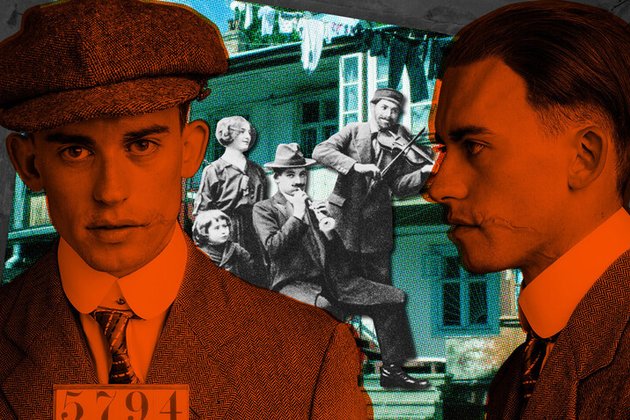
Jewish music and Russian lyrics – the so-called ‘blatnye’ songs – were incredibly popular in the USSR. They became an alternative to the official “positive” attitude towards life, where there was no place for neither sadness nor debauchery.
Prison songs, which were so popular in Russia in the early 20th century, had little in common with the ‘blatnaya’ song – the unique phenomenon of criminal music, which appeared in the early years of the USSR.
The cradle of the ‘blatnaya’ song was Odessa – by the end of the 19th century, it was the fourth most populous city in the Russian Empire and the second largest port in terms of cargo turnover. And Odessa was also the main Jewish city in the empire – it happened because of the so-called “Pale of Settlement”. Formally, it was requested by Russian merchants from the central provinces, who demanded to get rid of competition from Jewish merchants on the grounds that they adhered to a different faith.
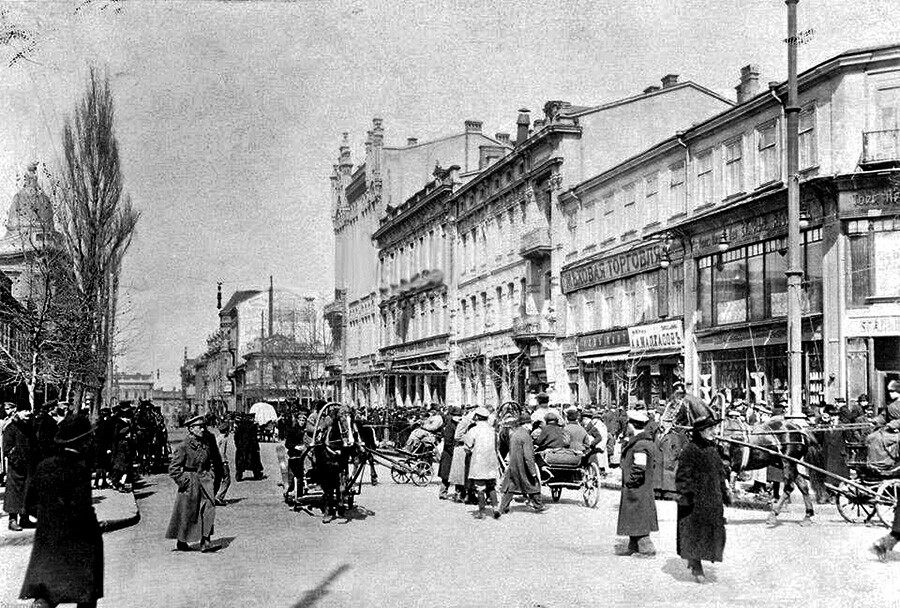
Streets of Odessa, early 20th century
Public domain
The ‘Regulations on the Organization of the Jews’ of 1804 defined the governorates where Jews could settle and trade. These were the western and southwestern regions of the Russian Empire, including the Kherson governorate, whose capital was Odessa. Many Jews who engaged in trade, crafts and financial transactions flocked to this large port city.
However, even within the borders of the ‘Pale of Settlement’, Jews were disadvantaged compared to the Orthodox population – they were not allowed to leave their places of residence freely and their choice of occupations and trades was limited. This pushed many Jews into the criminal environment. Thieves, swindlers, pocket and apartment robbers of all stripes made up a significant part of the Jewish population of the provinces of the ‘Pale of Settlement’. It was in the criminal environment that the word ‘blat’ appeared – in Yiddish, this word meant a member of a gang of thieves, a “fellow” person.
How did the ‘blatnaya’ song appear?
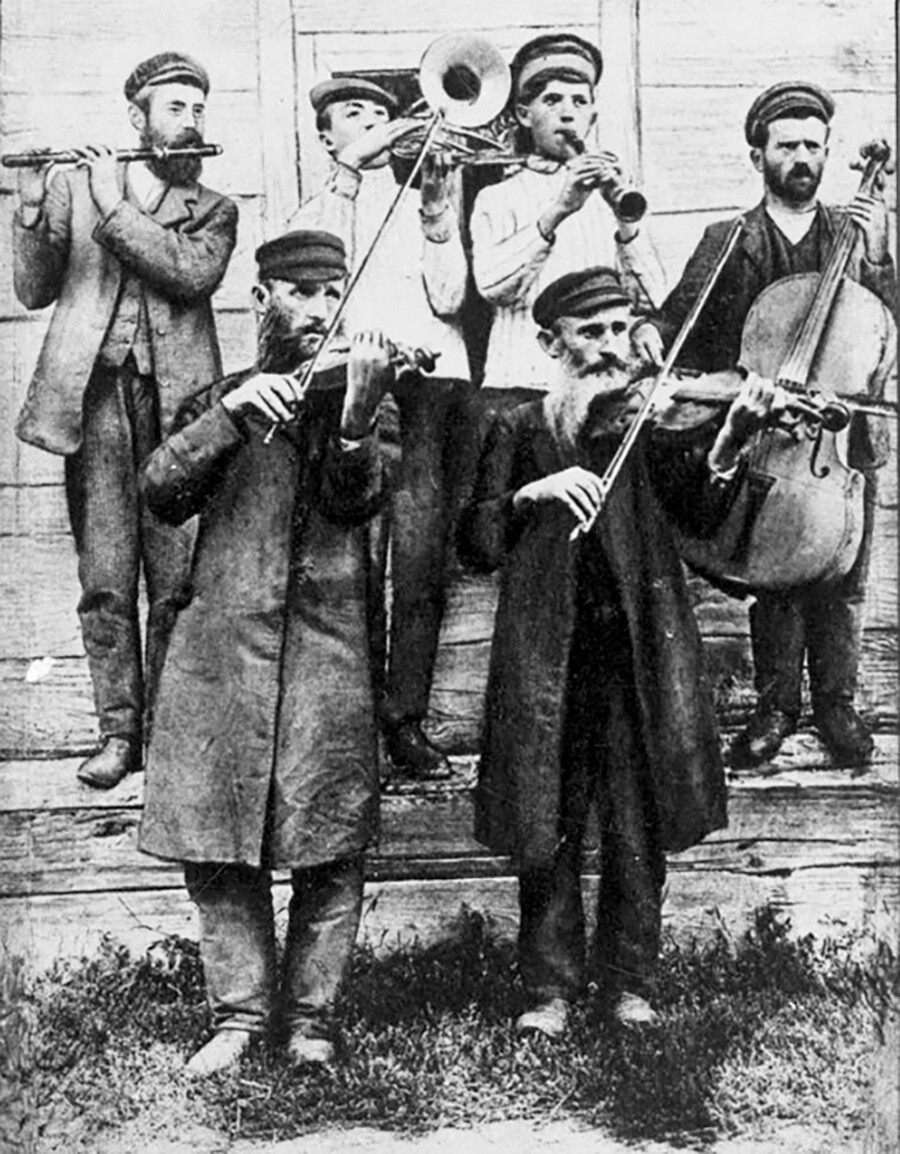
Klezmer musicians at a wedding, playing an accompaniment to the arrival of the groom, Ukraine, ca. 1925
Menakhem Kipnis/YIVO Encyclopedia
Music has always played an important role in the life of any Jewish locality. Weddings, funerals, religious festivals and simple pub revelry were accompanied by traditional motifs called ‘klezmer’ (an instrumental musical tradition of the Ashkenazi Jews of Central and Eastern Europe). At the beginning of the 20th century, many silent movie theaters opened in Odessa, where the musical accompaniment was provided by tapeurs – pianists, who also played well-known klezmer tunes and arrangements of them.
In 1917, the Bolsheviks destroyed the tsarist order and banned the ‘Pale of Settlement’ and the Jewish population of the regions included in the ‘Pale’ gained equal rights with all citizens of Soviet Russia. In the 1920s, professional Jewish musicians joined the cabaret scene in both capitals and ‘klezmer’ motifs became very popular. They are familiar to most Russians even now – songs like ‘Murka’ and ‘Seven Forty’ are written on the motif of traditional ‘klezmer’.
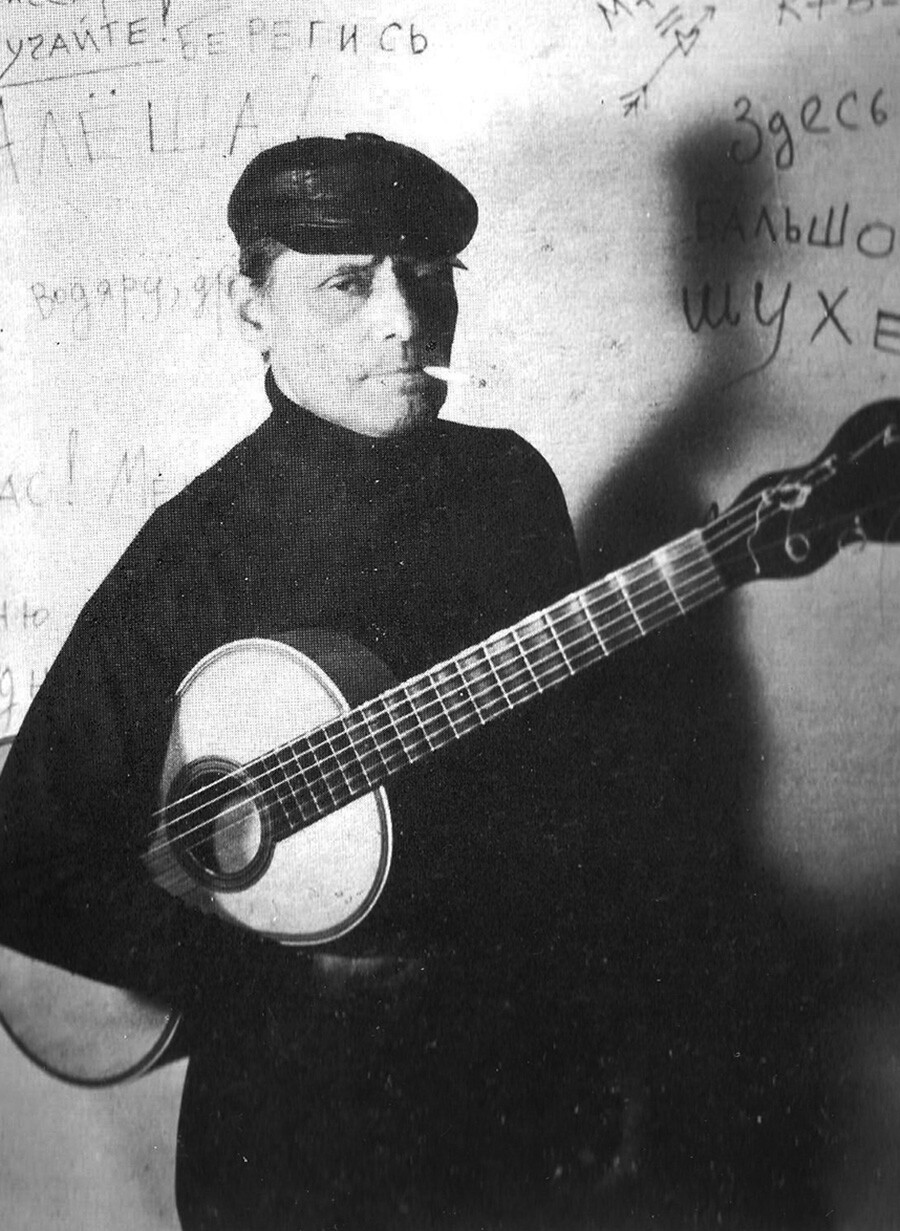
Alesha Dimitrievich, a famous gypsy singer and dancer
Archive photo
This is how the ‘blatnaya’ song was born – when Russian poems began to be written on classical ‘klezmer’ motifs. Why it was called ‘blatnaya’ – you can already understand. The term ‘blatnoy’ in the Soviet society meant “native to the criminal circles” and the newborn music was naturally born in those circles.
However, the key to the popularity of the new music was the fact that, unlike Russian “convict” chants, ‘klezmer’ music emphasized the upbeat, the syncope – it was music one could easily dance to. Gypsy music, which was so popular in Russia in the early 20th century, also had a strong influence on the formation of ‘blatnaya’ song. It was gypsy romances that gave the blat song its main instrument – the guitar.
The state against the criminal music
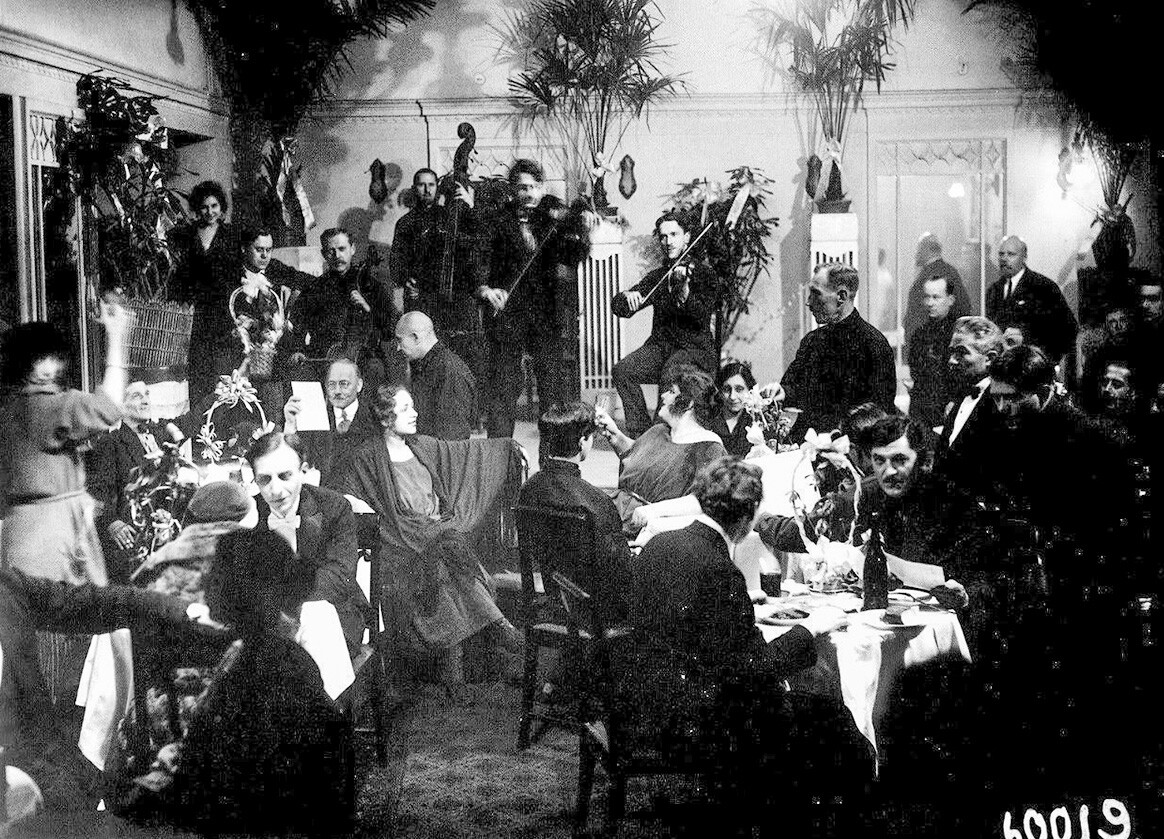
A night restaurant in “Evropeyskaya” hotel, Leningrad, 1924. You can see a band onstage. That’s what the environment of the 1920s cabaret stage was like.
Public domain
“To look at the pop repertoire of 1925-1928 is to plunge into the black mire of all kinds of foxtrots, gypsy songs, ‘blatnaya’ songs, countless repetitions of pre-revolutionary “erotic” songs” – a correspondent of the Soviet ‘Worker and Theater’ magazine wrote in 1931. Starting from the mid-1920s, the state launched an attack on the cabaret and saloon genres of music and, among them, the ‘blatnaya’ song. But, why were they so popular?
In the 1920s and 1930s, the official Soviet composers created a lot of cheerful and patriotic songs, but did not offer the listener any humorous, everyday or right out sad tunes. This niche was occupied by ‘blatnaya’ music, where there were not only thieves’ songs, but also comical ones like ‘Fried Chicken’, ‘Solomon Pliar’s School of Dancing’ and working songs like ‘Little Bricks’ and ‘Glasses faceted’. Maxim Kravchinsky, a historian of the ‘blatnaya’ song, quotes Oleg Chistyakov, a musician and ‘blatnaya’ song performer: “They (the songs) told about the problems of today. They told in their own language, without officialism… People on different rungs of the social ladder listened and sang them with tears in their eyes.”
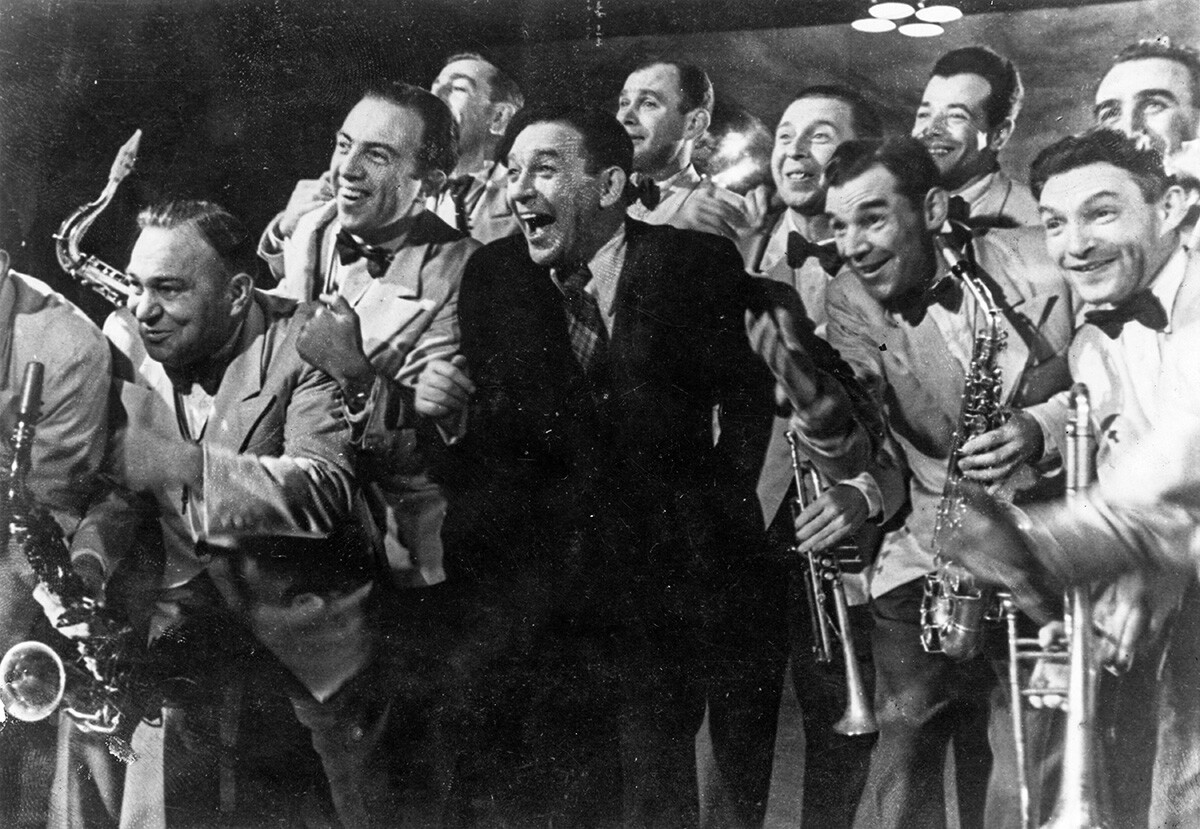
Singer Leonid Utesov with his jazz band, ‘The Jolly Fellows’ from the film of the same name, 1930s.
Sovfoto/Universal Images Group/Getty Images
From the second half of the 1920s, the Main Repertoire Committee of the USSR (1923-1953) banned the performance of ‘blatnaya’ songs from the stage for being works that “catered to the tastes of the bourgeoisie”. But, at the same time, Leonid Utesov, a famous singer, sang the famous ‘From Odessa Kichman’ (‘Escape from the Odessa Jail’) and ‘Gop with a smyk’ (‘The Thug With a Lock Pick’) – one hundred percent criminal songs. Utesov (real name Lazar Vaisbein) was born in 1895 in Odessa and, in the 1920s, became famous as an actor and performer.
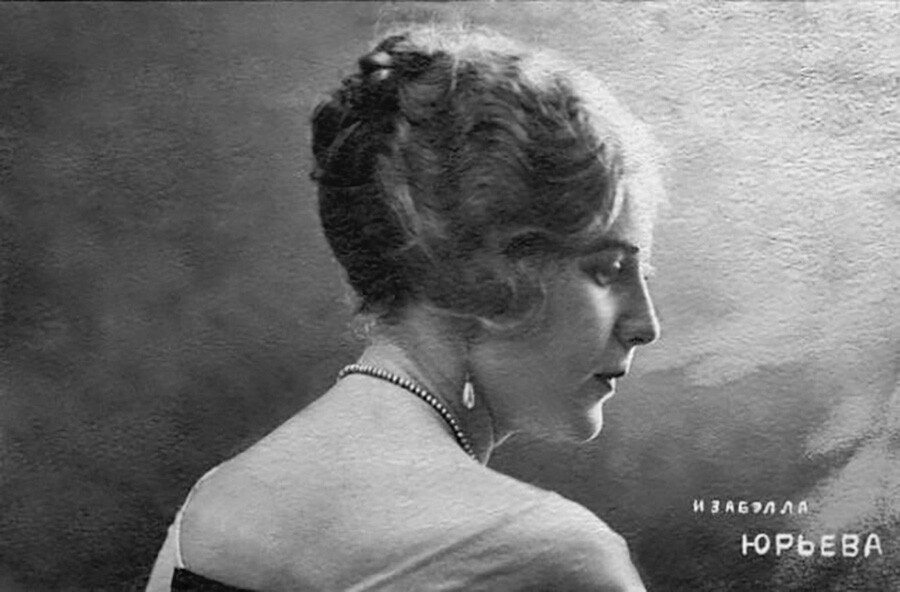
Izabella Yurieva
Rostov Local History Museum
In 1929, Utyosov created his own jazz orchestra and, in 1934, together with famous actress Lyubov Orlova, he starred in the hugely popular movie ‘Jolly Fellows’ and became famous throughout the USSR. As early as 1932, Utyosov recorded ‘From Odessa Kichman’ and ‘Gop with a Smyk’ on gramophone records and, in 1934, he allegedly performed ‘Gop with a Smyk’ in the Moscow Kremlin – at Stalin’s personal request. ‘Blatnaya’ and gypsy songs were popular even among the Soviet elite. Famous Gypsy singer Izabella Yurieva (1899-2000) recalled that she was summoned to closed party parties in the Kremlin, where she was officially asked to sing banned “gypsy” numbers from her repertoire.
[ad_2]


Entertainment
Dubai launches ‘Dubai+’ family streaming platform to boost digital media and creative economy



Entertainment
Canada Super 60 set to dazzle with star-studded concert line-up at Vancouver’s BC Place


Dubai scam alert: Authority warns of fake QR code scams as cyber fraud attempts rise

UAE weather alert: Rain, strong winds, and dust expected to peak by Friday


