Connect with us

Lifestyle

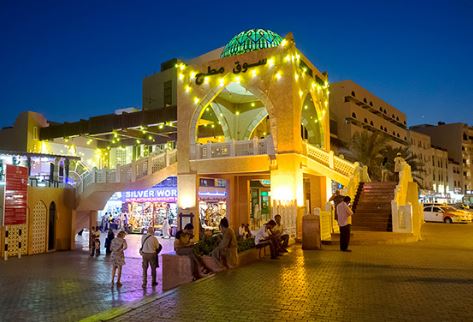
Now Indians in UAE can travel visa free to Oman

Published

on

Spread the love

Oman is joining the UAE and Saudi Arabia to revamp visa formalities for visitors, now extending its visa-free doors to residents of 103 countries.

The Sultanate has changed entry guidelines to offer visa-free entry for upto 14 days, according to the local media.
According to the Royal Oman Police (ROP), tourists from Portugal, Sweden, Norway, Italy, Bulgaria, Switzerland, Croatia, Hungary, Serbia, Georgia, Denmark, Germany, Greece, Iceland, Belgium, Romania, Slovenia, Finland, Luxembourg, Malta, Monaco, Cyprus, Ukraine, Spain, Czech Republic, Austria, Ireland, United Kingdom, Poland, Slovakia, France, Netherlands, Venezuela, Colombia, Uruguay, Paraguay, Argentina, Brazil, Japan, Thailand, South Africa, Russia, China, the United States of America, Turkey, South Korea, New Zealand, Iran, Australia, Indonesia, Taiwan, Canada, Malaysia, and Singapore are allowed visa-free entry.

Additionally, some Indian tourists can also obtain a visa on arrival, provided they have an entry visa of the US, Canada, the United Kingdom, Schengen countries, Japan, or have a resident permit of one of the GCC countries, and work in a profession approved by the Oman government.

An ROP representative confirmed that visitors can extend their stay for up to 30 days with an additional cost. Visitors from these nations can submit an online application for an e-visa for a charge of OMR 20 for a duration of one month once inside. If certain requirements are completed and they stay no longer than one month during each visit, they can also apply for a multi-entry visa for one year.

The UAE last month initiated multiple-entry visa for families which is valid for five years. The new step has been further streamlined with easy processing online and document requirements.

Food

Pests, expired food, poor hygiene: Why 69 Abu Dhabi restaurants and food shops were closed

Published

on

Spread the love

Abu Dhabi authorities have closed 69 food establishments since last year after inspectors uncovered serious food safety violations, including pest infestations, expired products and poor hygiene standards.

The Abu Dhabi Agriculture and Food Safety Authority (ADAFSA) said 55 businesses were shut down in 2025, while another 14 have been closed so far in 2026 after repeatedly failing to comply with food safety requirements.

Why were they closed?

Officials said the most common violations included:

  • Selling expired food products
  • Insects and pests in food preparation areas
  • Poor hygiene practices
  • Improper storage of perishable food
  • Failure to meet mandatory food safety requirements

Authorities stressed that closure is only used as a last resort after businesses fail to respond to warnings and corrective notices. The crackdown comes as consumers continue to report food safety concerns across the emirate.

What happens next?

Closed establishments are only allowed to reopen once inspectors confirm all violations have been addressed and food safety standards are fully met.

The authority said regular inspections and surprise visits will continue across restaurants, cafeterias, supermarkets and food outlets to help protect public health.

Officials also encouraged residents to report suspected violations and check food safety ratings displayed under the emirate’s Zadna Assessment programme before dining or shopping.

Continue Reading

Health

UAE issues new Ebola travel advisory: Key symptoms and precautions explained

Published

on

Spread the love

The UAE’s Ministry of Health and Prevention (MoHAP) has issued updated travel guidance for residents amid ongoing international monitoring of an Ebola outbreak, while reaffirming that no confirmed cases have been recorded in the country.

The ministry said the UAE’s public health situation remains stable and that authorities continue to maintain high levels of preparedness through enhanced surveillance, risk assessment and preventive measures.

What travellers need to know

MoHAP is urging residents travelling abroad to check the latest travel advisories before departure, follow health guidelines in their destination country and maintain good personal hygiene throughout their journey.

Travellers have also been advised to avoid contact with anyone showing symptoms of illness and to seek medical attention immediately if they develop symptoms after travel, while informing healthcare providers about their recent travel history.

The guidance comes after the Ministry of Foreign Affairs advised against non-essential travel to the Democratic Republic of the Congo, Uganda and South Sudan.

Ebola symptoms to watch for

According to the ministry, Ebola symptoms can appear between two and 21 days after exposure and may initially include:

  • Fever
  • Fatigue
  • Headache
  • Muscle pain
  • Weakness
  • Vomiting
  • Diarrhoea
  • Sore throat
  • Abdominal pain

In severe cases, the disease can lead to bleeding, organ failure and shock.

No vaccine for current strain

Health authorities noted that there is currently no licensed vaccine specifically approved for the Bundibugyo strain of Ebola linked to the current outbreak.

The outbreak is primarily concentrated in parts of Uganda and the Democratic Republic of the Congo.

How Ebola spreads

MoHAP stressed that Ebola spreads through direct contact with the blood or bodily fluids of an infected person, contaminated surfaces, infected animals or contaminated animal products.

The ministry also clarified that Ebola is not an airborne disease and does not spread like Covid-19 or influenza. Individuals are generally not contagious before symptoms develop.

UAE ready for emergencies

Reassuring residents, the ministry said the UAE continues to work closely with national and international health partners to monitor developments and implement precautionary measures aimed at protecting public health.

Officials reiterated that no Ebola cases have been detected in the UAE and encouraged residents to rely on official sources for health updates and travel advice.

Continue Reading

Business

Khorfakkan’s new resort features private beach, pools and mountain views

Published

on

Spread the love

Set against the backdrop of Khorfakkan’s mountains and coastline, His Highness Sheikh Dr Sultan bin Mohammed Al Qasimi, Supreme Council Member and Ruler of Sharjah, on Thursday inaugurated the new Khorfakkan Resort, a Dh700 million waterfront development designed to elevate tourism and lifestyle living on Sharjah’s east coast.

Stretching along Khorfakkan beach, the resort brings together 573 residential units, from one-bedroom apartments to spacious four-bedroom homes, many overlooking sweeping views of the sea, mountains, beach and city skyline.

Developed by Asas Real Estate, the project spans 330,000 square feet, with a built-up area reaching 1.4 million square feet, adding another landmark destination to the emirate’s growing hospitality and tourism portfolio.

What the resort features:

  • 16 retail outlets
  • A private beach
  • Outdoor swimming pools
  • Elevated green spaces covering 100,000 square feet
  • Gym and sports facilities
  • Integrated hotel-style services

The luxury property is located close to Khorfakkan Amphitheatre and the city’s waterfall attraction, adding to its appeal for residents and visitors.

Officials said the project is expected to support Khorfakkan’s growing tourism sector while creating new investment opportunities through freehold ownership options.

Continue Reading

Popular

© Copyright 2025 HEADLINE. All rights reserved

https://headline.ae/